Drain Cleaning in Pittsburgh: Why Kitchen Drains Keep Clogging
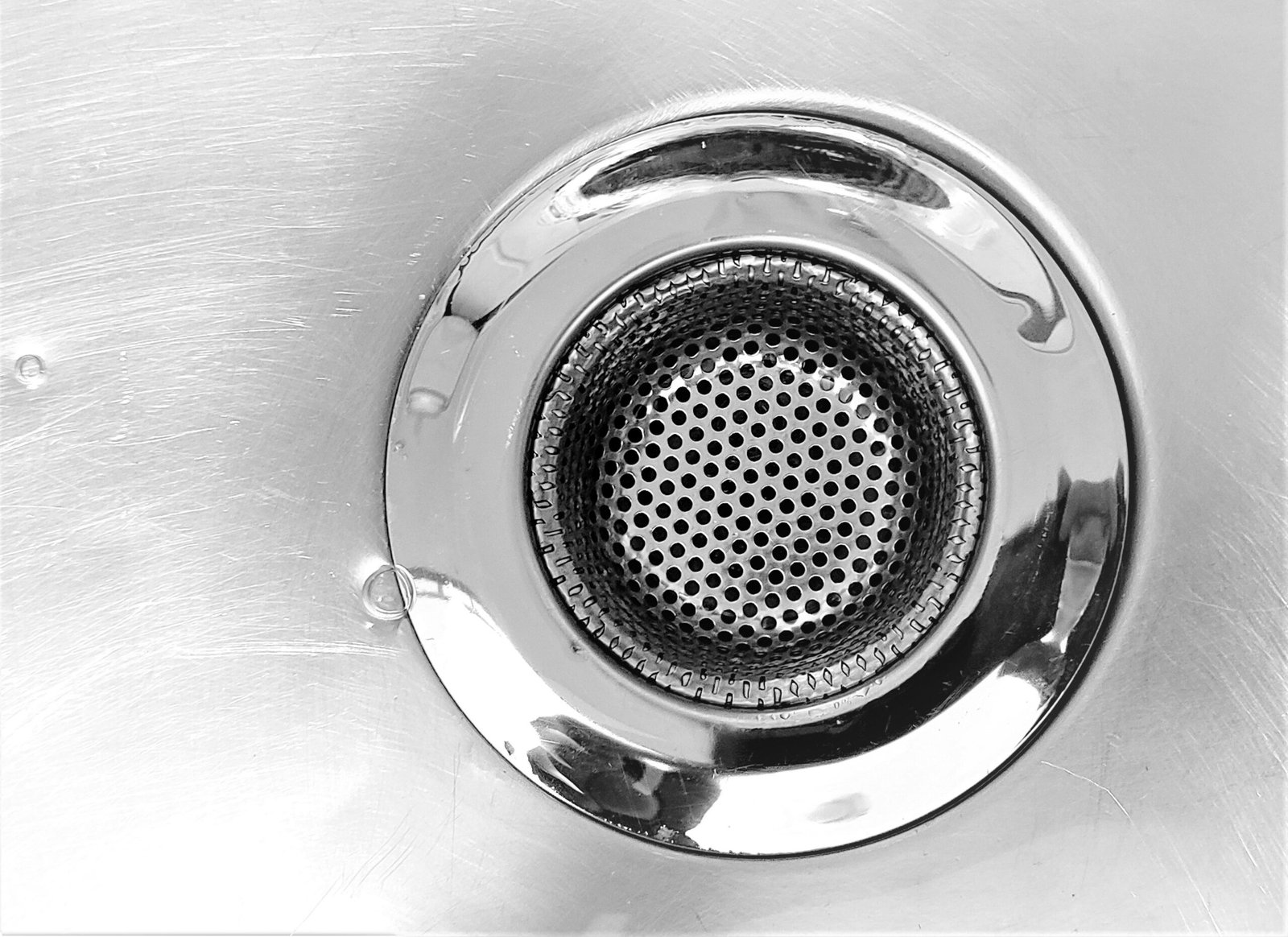
If your kitchen sink drains slower every month no matter what you pour down it, you’re dealing with the most common drain problem in Pittsburgh homes — and the cause is almost always the same. Drain cleaning in Pittsburgh kitchens usually comes down to one culprit: grease that went down the drain as a liquid and solidified in your pipes. Here’s why kitchen drains keep clogging, what actually fixes them, and when it’s time to stop fighting the plunger and call a professional.
Drain Cleaning in Pittsburgh: The Grease Problem
Hot cooking grease looks harmless going down the drain — it’s a liquid, after all. But it cools within a few feet of pipe, coating the inside walls like wax in a candle. Layer by layer, that coating narrows the pipe until water can barely pass. Dish soap and hot water don’t fix it; they just move the grease a little farther down before it cools and sticks again. In Pittsburgh’s older homes, where kitchen drain lines are often decades-old galvanized or cast iron with rough interior surfaces, grease grabs on even faster.
The rule is simple and absolute: never pour cooking grease down the drain. Pour it into a can or jar, let it solidify, and throw it in the trash. Wipe greasy pans with a paper towel before washing. These two habits prevent more kitchen clogs than every drain cleaner on the shelf combined.
Garbage Disposals: Helpful Until They’re Not
A garbage disposal is not a trash can — it’s a convenience for small food scraps, and treating it like one is the second-biggest cause of kitchen drain clogs. The worst offenders: fibrous foods (celery, onion skins, artichokes), starchy foods that expand (pasta, rice, potato peels), and coffee grounds, which clump into a dense sludge. Run cold water before, during, and after using the disposal — cold water keeps grease solid so the disposal can break it up and flush it through, while hot water melts it only for it to re-solidify downstream.
If your disposal hums but doesn’t grind, hit the reset button on the bottom of the unit first. If it jams repeatedly, stop forcing it — a jammed disposal strains the motor and can burn it out. And if the sink backs up into the disposal side every time you run the dishwasher, that’s a drain line restriction downstream, not a disposal problem.
What Homeowners Can Safely Try First
Before calling for drain cleaning services, these steps are safe and genuinely effective for mild kitchen clogs:
- Boiling water flush — for a slow (not fully blocked) drain, a kettle of boiling water can melt light grease buildup. Don’t use it on PVC pipes if the water is at a rolling boil for long pours; very hot tap water is the safer routine choice.
- Baking soda and vinegar — it fizzes impressively and can loosen light buildup near the drain opening, but it won’t dissolve a real grease clog deeper in the line. Manage expectations.
- Clean the P-trap — put a bucket underneath, unscrew the curved trap under the sink, and clear out the gunk. This fixes a surprising number of “clogs” that are really just trap blockages. It’s a 15-minute job with channel-lock pliers.
What NOT to do: don’t reach for caustic chemical drain cleaners as a routine fix. They can damage older pipes, they’re dangerous if they splash back, and if they fail, you’ve now got a sink full of caustic water that makes professional cleaning harder and more hazardous.
When It’s Time for Professional Drain Cleaning
Call a professional when the clog keeps coming back, when multiple fixtures drain slowly (that points to the main line — see our guide to sewer line repair), or when water backs up into the sink while the dishwasher runs. A professional has two tools you don’t: a motorized drain snake that can cut through solidified grease and reach 50+ feet into the line, and a camera that shows exactly what’s in there. Recurring kitchen clogs in older Pittsburgh homes sometimes reveal a bigger story — a sagging pipe section (a “belly”) that collects grease, or a line that’s simply reached the end of its life. Knowing which one you’re dealing with is the difference between a cleaning and a repair, and only a camera inspection tells you for sure.
One more Pittsburgh-specific note: many of the city’s homes still run original cast-iron kitchen drain lines. Cast iron corrodes from the inside, developing a rough, scaly surface that grabs grease aggressively. If your home is 60+ years old and the kitchen drain clogs every few months despite good habits, the pipe itself — not your cooking — is likely the problem. Man Made Services handles everything from routine cleanings to full diagnosis, and if the situation is urgent, our emergency plumbing services are available around the clock. Reach us through our contact page to schedule a visit.
Frequently Asked Questions
Why does my kitchen drain keep clogging even though I’m careful?
Years of gradual grease buildup coat the inside of the pipe, and in older Pittsburgh homes the pipes themselves may be rough cast iron or galvanized steel that grabs grease easily. Once buildup passes a tipping point, even careful habits can’t keep up — a professional cleaning resets the line.
Is it safe to use chemical drain cleaner on a kitchen sink?
Occasional use on a mild clog is unlikely to cause immediate disaster, but caustic cleaners can damage older pipes, harm septic systems, and create a hazard for anyone who works on the drain afterward. Mechanical cleaning (snaking) is safer and more effective for real clogs.
Can a garbage disposal cause drain clogs?
Yes — fibrous foods, starches, and coffee grounds are the usual culprits, and running the disposal without enough cold water makes it worse. If clogs started after you began using the disposal heavily, that’s your prime suspect.
How often should kitchen drains be professionally cleaned?
For most households, only when there’s a problem. But if your home has older cast-iron drain lines and the kitchen clogs more than twice a year, a camera inspection is worth it — you may be dealing with pipe deterioration, not just buildup.
Have a Plumbing Problem?
From drain and sewer problems to water heaters, hidden leaks and septic services, get professional help from Man Made Services.