Where Pittsburgh Pipes Freeze First: 7 Spots to Check Before the Deep Freeze
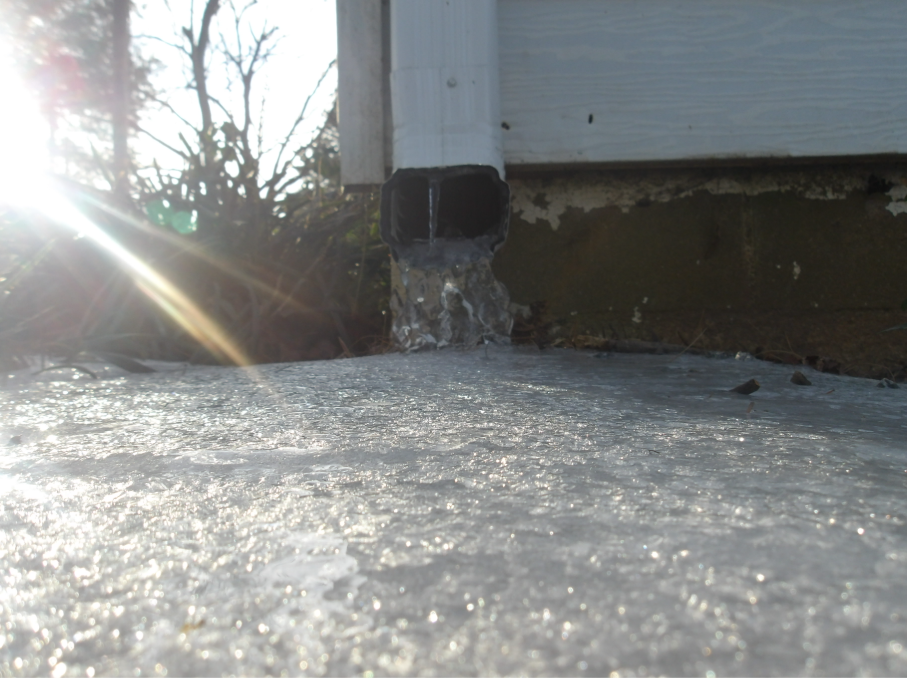
Pipes do not freeze at random. In Pittsburgh homes, the first pipes to freeze are almost always in the same predictable places: unheated garages, vented crawl spaces, exterior walls, and the cold corners of older basements. If you know which runs of pipe sit in those cold zones, you can protect them in an afternoon — before the first deep freeze turns a vulnerable pipe into a burst one.
Why Location Matters More Than the Thermostat
Your thermostat measures the air in the middle of your living space, but your pipes often live somewhere else entirely. A supply line running through an unheated garage or along an outside wall can sit at temperatures far below the reading on your thermostat, especially on windy nights when cold air pushes through gaps around rim joists, sill plates and foundation vents. Water inside a pipe begins to freeze once the pipe itself drops to 32 degrees, and the ice that forms expands. That expansion is what splits pipe walls and pushes fittings apart — usually at the weakest point in the coldest stretch of the run. This is why two identical houses on the same Pittsburgh street can have completely different winters: it comes down to where the pipes run.
The 7 Spots Where Pittsburgh Pipes Freeze First
1. Pipes in and Above the Garage
Most garages in Pittsburgh are unheated, and many have water lines running through the ceiling or walls to reach a laundry room, bathroom or outdoor faucet. Those lines spend all winter at near-outdoor temperatures. Insulate every exposed garage run with foam pipe sleeves, and pay special attention to the line feeding the garage-side hose bibb.
2. Crawl Spaces
A vented crawl space is one of the coldest places in any house. Pipes there are exposed to outside air from below, while the heated floor above gives a false sense of security. Insulate the pipes, and close or cover foundation vents for the winter where your home’s setup allows it.
3. Exterior Walls
Kitchen and bathroom supply lines are often run inside outside walls to reach sinks mounted under windows. In older Pittsburgh homes, those wall cavities may have little or no insulation, so the pipe sits inches from the cold. On the coldest nights, opening the cabinet doors under these sinks lets warm room air reach the pipes — a simple step that genuinely helps.
4. Unheated Basements in Older Homes
Many Pittsburgh basements stay cool rather than actively heated, and pipes near basement windows, a walkout door or the old coal cellars of older homes can dip below freezing during a cold snap. Seal gaps around basement windows and where pipes pass through the foundation wall, and insulate runs near those cold spots.
5. Attic Runs
Some repiped homes have supply lines crossing attic spaces to reach second-floor bathrooms. Attics track outdoor temperature almost exactly, so any pipe up there needs thick insulation — and these runs deserve a check before winter, since a burst attic pipe damages everything below it.
6. The Lines Feeding Outdoor Faucets
The pipe feeding a hose bibb crosses your coldest wall and connects to a fixture that sits outside. If you have not already done it, follow a proper hose bibb winterizing routine: hose disconnected, exterior faucet drained, and the interior shut-off for that line closed where one exists.
7. Vacant Rooms and Additions
A spare bedroom, finished addition or rarely used bathroom over an unheated space cools down faster than the rest of the house. Keep the doors to those rooms open so warm air circulates, and do not close their heating registers during a cold snap.
How to Protect Each Spot
The protection steps are the same handful for every location: foam insulation sleeves on exposed runs, sealing the drafts where cold air enters, warm-air access on the coldest nights, and a slow faucet drip when temperatures plunge. Our full frozen pipe prevention checklist walks through each step in order, and the Pittsburgh winter plumbing checklist covers the rest of the house at the same time.
If a Pipe Freezes Anyway
Act quickly but gently. Shut the water off if you suspect a split — and if you are not sure where your valve is, our guide to the main water shut-off valve shows where Pittsburgh homes usually hide it. For a frozen but intact pipe, our safe thawing guide explains how to warm it gradually with a hair dryer or space heater — never an open flame. If you find a crack, a bulge, or water where it should not be, keep the water off and call a plumber.
Frequently Asked Questions
At what temperature do pipes freeze?
Water freezes at 32 degrees, but pipes usually need sustained cold — many hours below freezing, and especially nights in the 20s or lower — before the water inside them freezes solid. Wind and exposure make individual pipes freeze faster than the forecast temperature suggests.
Which pipes freeze first, hot or cold?
Both can freeze, but cold-water lines in exposed locations are usually the first to go because they sit at the lowest temperature. Hot-water lines far from the water heater can also freeze in garages and crawl spaces.
Does insulation alone prevent freezing?
Insulation slows heat loss significantly and is the best first step for exposed pipes, but in an unheated space during a long deep freeze it delays freezing rather than guaranteeing against it. Combining insulation with sealing drafts and letting a faucet drip on the coldest nights gives the best protection.
How do I know if a pipe has frozen?
The classic sign is a faucet that produces only a trickle or nothing at all on a cold morning, sometimes with frost visible on an exposed pipe. Check the vulnerable spots listed above first.
Every Pittsburgh home has a short list of pipes that freeze before all the others. Walk your garage, crawl space, basement and outside walls this week, insulate what you find, and those weak spots stop being weak. And if a cold snap catches a pipe before you get to it — or you are looking at a split line and a shut-off valve you cannot find — Man Made Services handles frozen and burst pipe calls across Pittsburgh, and we are glad to help you get the water back on safely.
Have a Plumbing Problem?
From drain and sewer problems to water heaters, hidden leaks and septic services, get professional help from Man Made Services.