Basement Floor Drain Backup in Pittsburgh: Causes, Fixes & When to Call a Pro
Few things ruin a weekend faster than water coming up through the basement floor drain. A basement floor drain backup in Pittsburgh is almost never a problem with the drain itself — it is a symptom of something downstream, and understanding which cause you are dealing with decides whether a plunger will help or a professional is needed today.
Why Basement Drains Back Up First
A basement floor drain sits at the lowest point in the home’s drainage system. When the main sewer line is blocked or overwhelmed, wastewater has nowhere to go but up through the lowest available opening — and that is usually the basement drain. The backup is doing you a kind of favour: it is revealing a main-line problem before sewage reaches a bathroom or kitchen upstairs.
Common Causes in Pittsburgh Homes
1. Main-line clogs. Grease, wipes (even “flushable” ones), and accumulated debris narrow the main line until a normal flush has nowhere to go. Multiple slow drains plus a basement backup almost always point here.
2. Tree root intrusion. Pittsburgh’s mature trees and older clay or cast-iron laterals are a classic combination. Roots enter through tiny joints and cracks, then grow into a mat that catches everything passing through. Root problems recur seasonally and get worse, not better, if only snaked without follow-up.
3. Heavy rain and sewer overload. In older neighborhoods with combined or aging sewer infrastructure, intense rain can overwhelm the system and push water back toward homes. If backups coincide with storms, the cause may be partly municipal — but a backwater valve can still protect your home.
4. Collapsed or bellied pipe sections. A sagging (“bellied”) or broken section of sewer line collects debris and slows flow. Recurring backups in the same home, despite repeated cleanings, are a strong signal to get a camera inspection rather than another snaking.
5. A dry or faulty trap. A floor drain that smells but is not backing up may simply have a dry trap — the water seal has evaporated. Pouring a bucket of water (plus a splash of mineral oil to slow evaporation) often fixes the odor. This is the one basement-drain problem that is genuinely minor.
What to Try — and What to Avoid
Safe first steps: stop using water in the house (every flush adds to the backup), check whether other fixtures are also slow or gurgling, and look for the cleanout location so you can point a technician to it. If the backup is only a small amount of clear water after heavy rain and it drains away on its own, monitor it and note the conditions.
Avoid: chemical drain cleaners, which rarely reach a main-line blockage and create a caustic hazard for whoever opens the line; repeated plunging of the floor drain, which can push sewage further into the system; and ignoring a sewage backup, which is a health hazard — sewage carries bacteria that should not sit on a basement floor.
Call a professional when: sewage is involved, multiple fixtures are affected, the backup recurs, or you do not know the cause. A technician with drain cleaning in Pittsburgh experience will typically snake the main line and, for recurring problems, run a camera to find the real cause — roots, a belly, or a break — instead of just clearing the symptom.
Prevention That Actually Works
- Never flush wipes, grease, or hygiene products, no matter what the packaging claims
- Ask about root maintenance if large trees stand near your sewer lateral
- Get a camera inspection for any backup that recurs within months
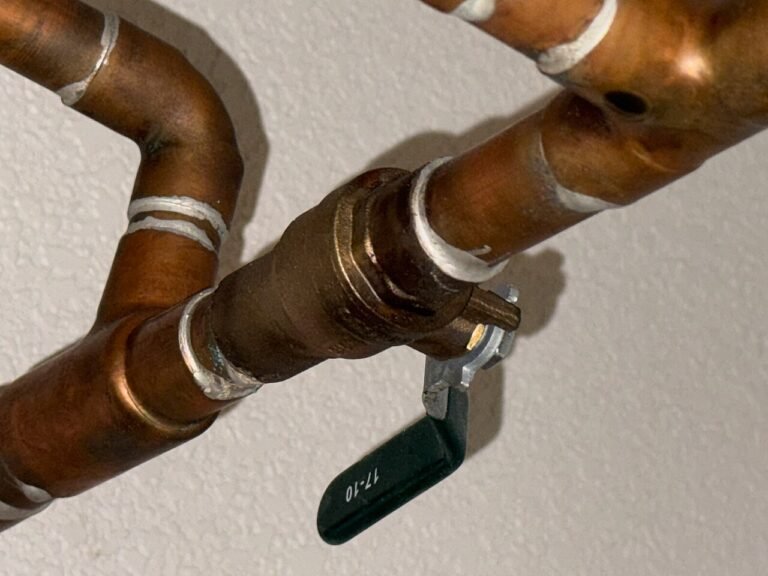
- Consider a backwater valve if your neighborhood sees storm-related backups — it lets water out but not back in
- Keep the floor drain trap filled; a dry trap lets sewer gas into the home
FAQ
Is a basement floor drain backup an emergency?
If sewage is coming up, yes — stop using water and call a professional the same day. Clear-water backups after storms still deserve attention, but are less urgent if they drain away and do not recur.
Will snaking fix it permanently?
Snaking clears the immediate blockage. If the cause is roots, a belly, or a break, the backup will return until that cause is addressed — which is why a camera inspection matters for repeat problems.
How much does fixing a main-line backup cost?
Typical main-line snaking runs in the low hundreds; camera inspections add a modest fee; repairs for broken sections cost far more, which is exactly why early diagnosis pays.
Can I prevent backups during heavy rain?
A backwater valve is the main defence for storm-related backups, along with keeping the lateral clear. No home measure can fix a fully overwhelmed municipal system, but a valve stops the water reaching your floor.
A basement floor drain backup is your plumbing system telling you something downstream is wrong. Listen to it early — stop the water use, get the cause diagnosed, and if sewage is involved, get sewer line repair in Pittsburgh or main-line help the same day rather than waiting for the next backup to be worse.
Have a Plumbing Problem?
From drain and sewer problems to water heaters, hidden leaks and septic services, get professional help from Man Made Services.