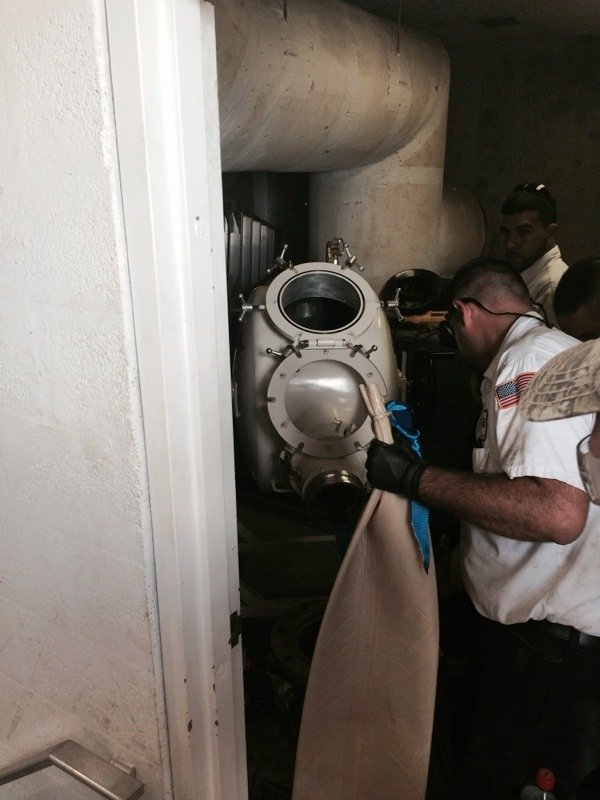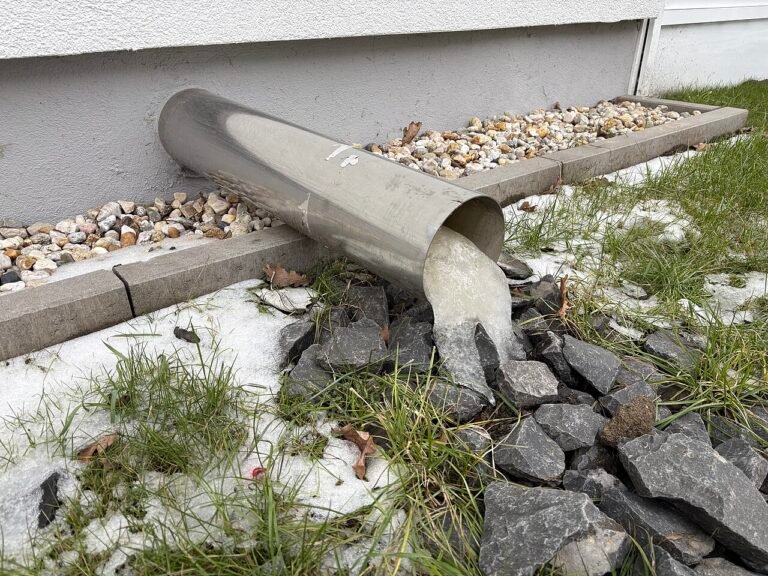
Septic Tank Pumping in Pittsburgh: How Often, Warning Signs & What to Expect
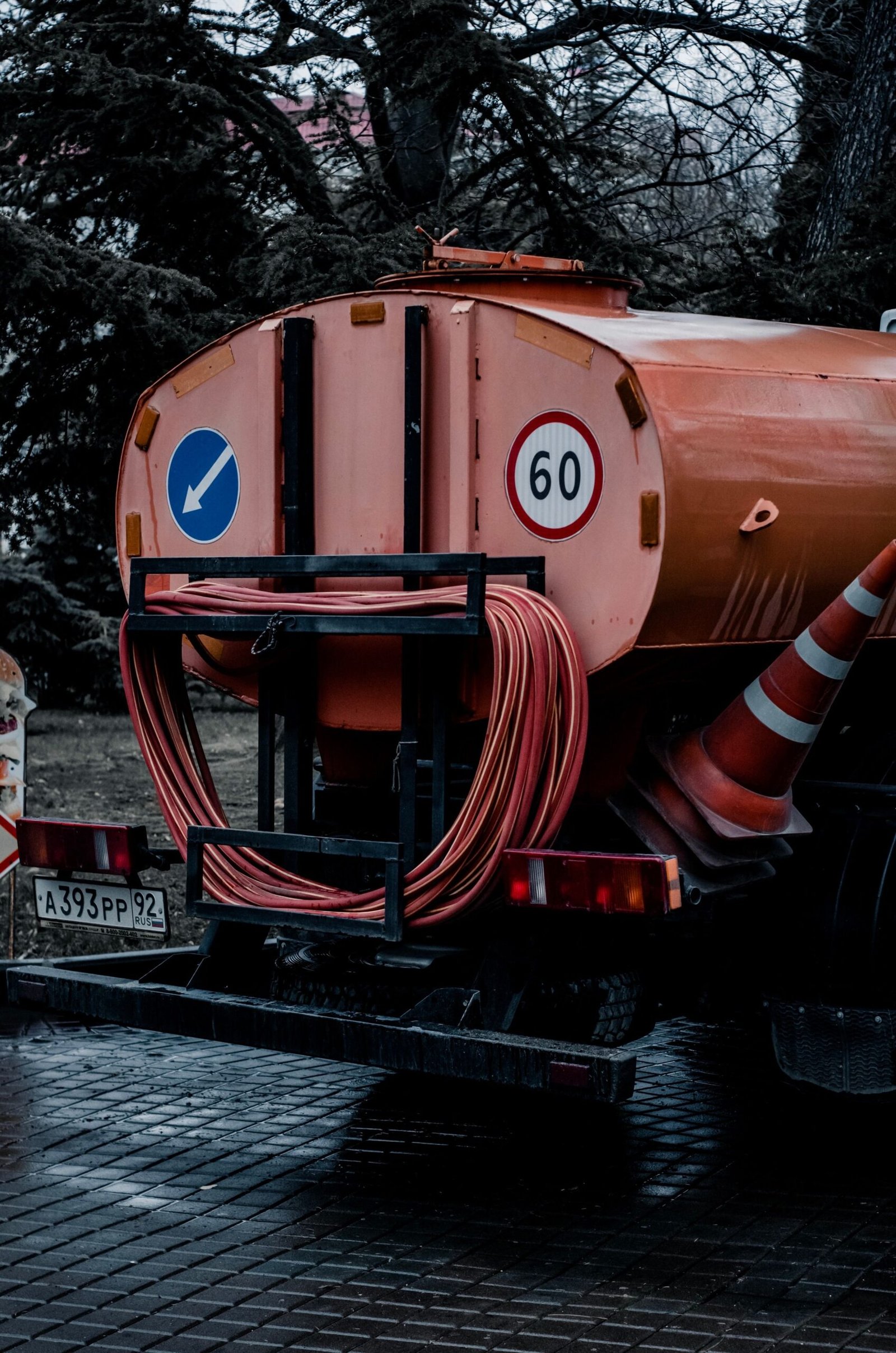
If your home runs on a septic system, septic tank pumping in Pittsburgh is the single most important maintenance job you will ever schedule. Most households need it every three to five years, and skipping it is the fastest way to turn a routine service visit into a failed drain field, a sewage backup, or a repair bill in the thousands. This guide explains how often to pump, the warning signs that mean the tank is overdue, and exactly what happens on pumping day.
Septic Tank Pumping in Pittsburgh: How Often Should You Schedule It?
There is no one-size-fits-all interval, because pumping frequency depends on three things: how many people live in the home, how big the tank is, and how much water the household uses. As a starting point, use the widely used EPA-backed rule of thumb: a 1,000-gallon tank serving a family of four generally needs pumping about every three years. A two-person household with the same tank can often stretch to four or five years, while a five-person household may need service every two years.
Pittsburgh adds a few local wrinkles. Many homes in the surrounding townships and boroughs — places where municipal sewer never reached — still rely on older, smaller tanks installed decades ago. A 750-gallon tank fills faster than the modern 1,000- or 1,500-gallon standard, so if your system is original to an older house, assume the shorter end of the range. Heavy water use also shortens the interval: lots of laundry loads in a single day, long showers, a garbage disposal used daily, and even a running toilet can push a tank to its limit sooner. Our septic services team can confirm your tank size and set a pumping schedule that fits your household rather than a generic chart.
Warning Signs Your Septic Tank Is Overdue
Your system usually warns you before it fails outright. Watch for these signs:
1. Slow drains throughout the house
One slow drain is usually a local clog. Every drain running slow at once — sinks, tubs, and toilets — points to the septic system. When the tank is full, wastewater has nowhere to go, so it backs up through the lowest fixtures first.
2. Gurgling sounds and sewer odors
Gurgling in drains or toilets, or a sewage smell in the yard near the tank or drain field, often means the tank is full and gases are being forced back through the plumbing. Do not ignore an outdoor odor that appears after rain; a saturated drain field is a common cause.
3. Wet, spongy ground or unusually lush grass over the drain field
A patch of yard that stays soggy, or grass over the drain field that is greener and grows faster than the rest of the lawn, can mean effluent is surfacing instead of filtering through the soil. This is a sign to call promptly — continued use can damage the drain field itself.
4. Sewage backing up into the home
This is the emergency stage. Stop using water, avoid the affected areas, and call for help right away. Backups are a health hazard, and the cleanup is far more expensive than a pumping visit would have been.
What Happens on Septic Pumping Day?
Knowing the process takes the mystery out of it. A typical pumping appointment works like this:
1. Locating and opening the tank. The technician locates the tank — usually with the help of records, a probe, or a locator — and opens the access lid. If your tank’s lid is buried, expect some digging; many homeowners have the lid exposed or marked before the appointment to save time.
2. Measuring the layers. Before pumping, a good technician checks the sludge and scum layers. This tells you how full the tank really was and whether your pumping interval should change. It is also the point at which early problems, such as a damaged baffle, get spotted.
3. Pumping and backflushing. A vacuum truck removes the liquid, sludge, and scum. The technician will typically backflush — stirring the contents with the pumped liquid — so that settled solids break up and are fully removed rather than left behind. A proper pump-out leaves the tank nearly empty, not just the liquid layer skimmed off.
4. Inspection and advice. While the tank is empty, the technician inspects the inlet and outlet baffles, looks for cracks or root intrusion, and checks the effluent filter if your system has one. You should get a straight answer on the tank’s condition and a recommended date for the next pumping.
The whole visit usually takes one to two hours for a standard residential tank. You do not need to do anything special to prepare beyond making sure the technician can reach the tank and keeping children and pets away from the work area.
How to Protect Your Septic System Between Pumpings
Pumping removes what has already built up, but daily habits decide how fast it builds up again. Spread laundry loads across the week instead of doing them all in one day, so the drain field gets time to absorb and treat each batch. Fix leaky toilets and faucets promptly — a single running toilet can add hundreds of gallons a day. Only flush human waste and toilet paper; wipes (even ones labeled flushable), grease, coffee grounds, and feminine products do not break down in the tank and are a leading cause of clogs. If you have a garbage disposal, use it sparingly, because food scraps add solids to the tank quickly.
Also protect the drain field itself: never park vehicles or build structures over it, keep roof drains and surface water diverted away from it, and avoid planting deep-rooted trees nearby. Tree roots seeking moisture are one of the most common causes of drain-field damage in older Pittsburgh-area properties. For anything beyond routine care — persistent odors, repeated slow drains, or a suspected drain-field problem — see our Our Services page or reach us through the contact page. A timely pumping visit is a few hundred dollars; a replacement drain field is a five-figure project. The schedule is the cheap insurance.
Septic Tank Pumping in Pittsburgh: FAQs
How much does septic tank pumping cost in Pittsburgh?
Most standard residential pump-outs fall in the low hundreds of dollars, depending on tank size, how easy the lid is to access, and how much digging is needed. A buried lid or a tank that has gone many years past due can add to the cost. Ask for the price, including lid location and digging, before the visit.
Can I pump my own septic tank?
No — this is not a DIY job. Septic pumping requires a licensed vacuum truck, proper disposal at an approved facility, and safe handling of sewage. It is also illegal in most Pennsylvania jurisdictions to dump septage anywhere but a permitted facility. Hire a licensed professional.
What happens if I never pump my septic tank?
Solids eventually flow out of the tank and clog the drain field, which is the most expensive part of the system to replace. Before that, you can expect backups, odors, and slow drains. Regular pumping is what keeps the drain field — and your yard — working.
Does pumping fix a failing drain field?
Not by itself. Pumping removes the tank’s contents, but if the drain field is already clogged or saturated, it needs its own diagnosis and repair. That is why catching problems early, through scheduled pumping and inspection, matters so much.
Not sure when your tank was last pumped? That uncertainty is itself a good reason to schedule an inspection. Man Made Services helps Pittsburgh-area homeowners keep their septic systems on a sensible schedule — pumping, inspection, and honest advice about what your system actually needs.
Have a Plumbing Problem?
From drain and sewer problems to water heaters, hidden leaks and septic services, get professional help from Man Made Services.