Low Water Pressure in Pittsburgh: Causes, Diagnosis & Fixes
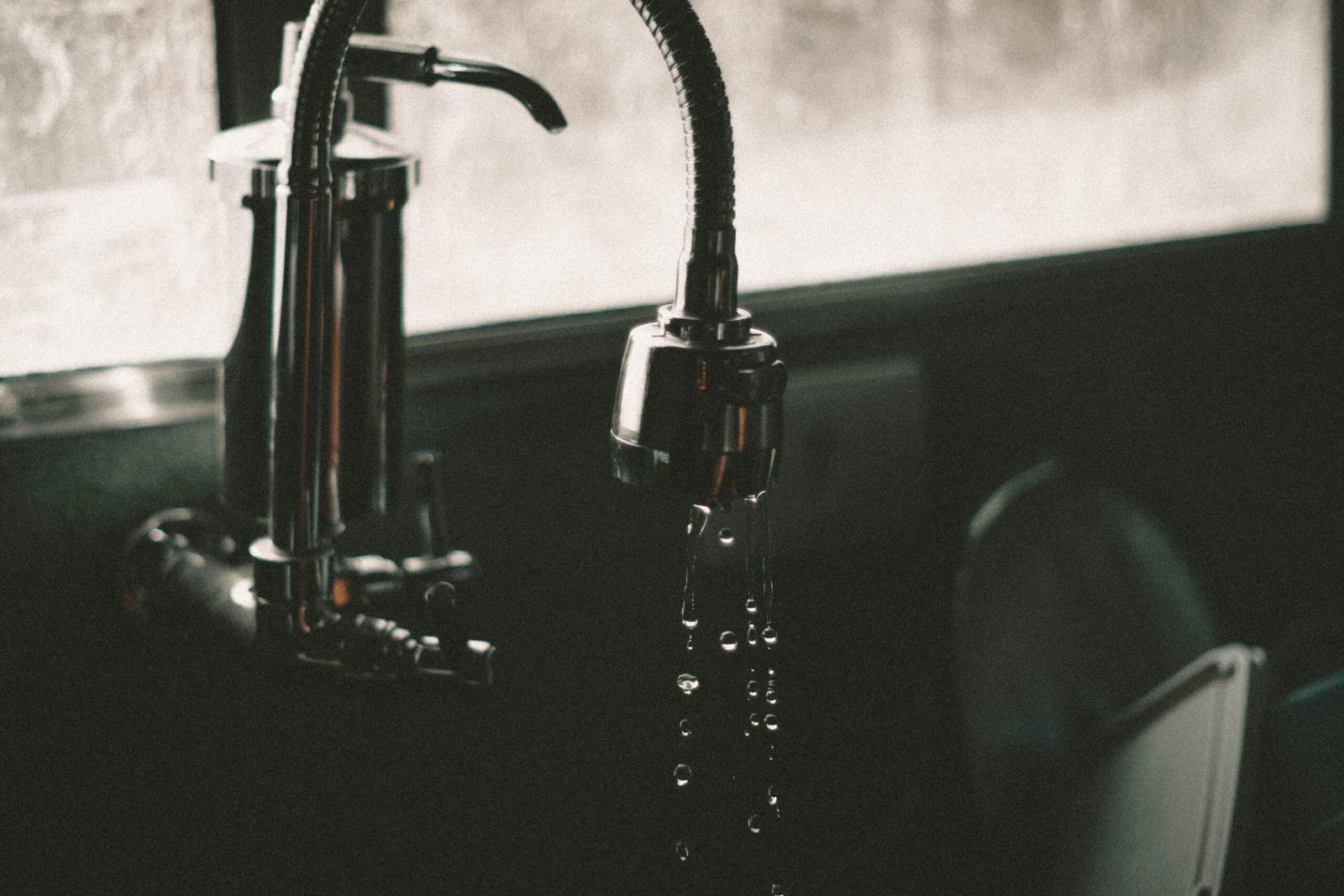
Your shower barely rinses, the kitchen tap takes forever to fill a pot, and the washing machine seems to run for hours. If you are dealing with low water pressure in Pittsburgh, the cause is usually one of a handful of fixable problems — a clogged fixture, a partially closed valve, a failing pressure regulator, or mineral buildup in old pipes. This guide shows you how to narrow it down, what you can safely check yourself, and when to call a plumber.
Low Water Pressure in Pittsburgh: First, Find the Pattern
Before touching anything, work out the pattern. It tells you more than any single test:
Only one fixture is weak? The problem is almost certainly in that fixture — a clogged aerator, a blocked showerhead, or a faulty faucet cartridge. These are the easiest and cheapest fixes in plumbing.
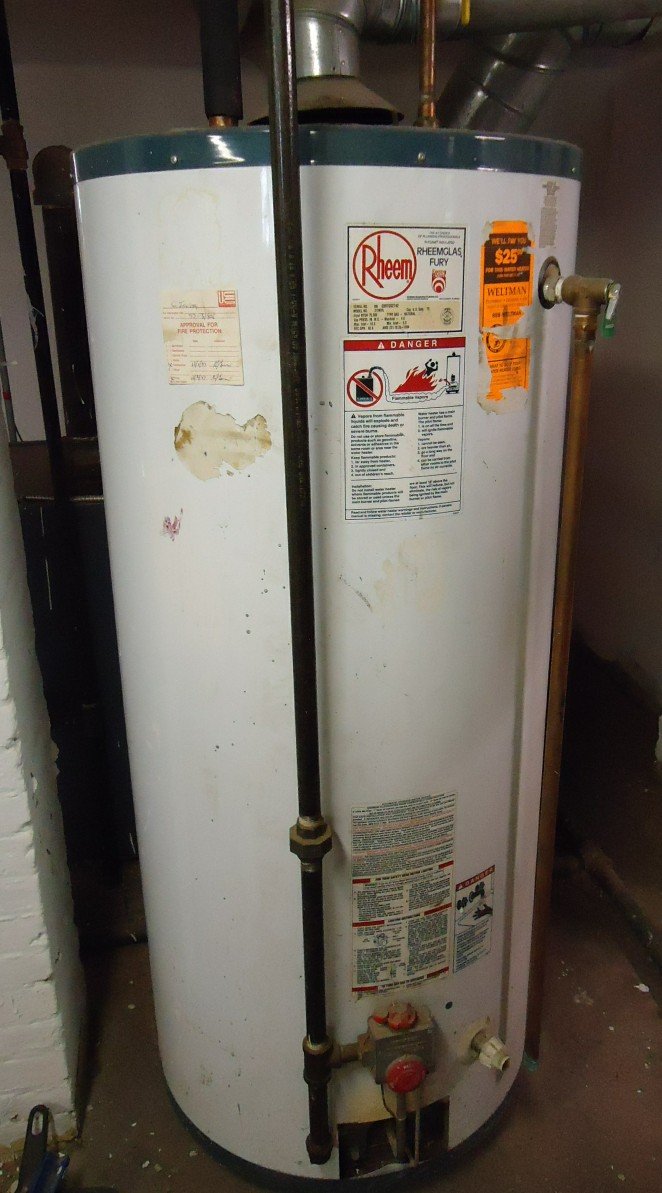
Only hot water is weak? The problem is on the hot-water side: sediment in the water heater, a failing shut-off valve on the heater, or mineral buildup in the hot-water lines. Cold water staying strong while hot water fades is a classic symptom.
Every fixture is weak? The problem is system-wide — a partially closed main valve, a failing pressure-reducing valve (PRV), a supply-line restriction, or a municipal issue. Start at the main valve and work inward.
Pressure drops only at certain times? If the shower is fine at 6 a.m. but weak at 7:30 p.m., peak neighborhood demand may be the cause — or a shared supply line that cannot keep up. Note the times; a plumber will want to know.
Simple Checks You Can Do Yourself
1. Check the main shut-off valve
A main valve that is only half open is one of the most common causes of whole-house low pressure — and one of the easiest to fix. Find the valve where water enters the house (usually in the basement near the front foundation wall in Pittsburgh homes) and make sure it is fully open. Gate-style valves should be turned counterclockwise until they stop; ball valves should have the handle parallel to the pipe. If you recently had plumbing work done and the pressure dropped afterward, this is the first thing to check.
2. Clean the faucet aerators and showerheads
Unscrew the aerator at the tip of a weak faucet and rinse out any grit or mineral flakes. Soak a clogged showerhead overnight in white vinegar to dissolve limescale, then rinse and reinstall. In Pittsburgh, where municipal water is moderately hard, mineral buildup is a slow, steady pressure thief — and a five-minute cleaning often restores full flow.
3. Check the fixture shut-off valves
Each sink and toilet has its own shut-off valve. Make sure these are fully open too. A valve bumped half-closed during cleaning or a previous repair is an easy miss.
4. Test with a pressure gauge
A hose-bib pressure gauge (about $10–15 at any hardware store) removes the guesswork. Screw it onto an outdoor spigot, make sure no fixtures are running, and open the spigot. Most homes should read 40–60 psi; plumbing codes generally treat 80 psi as the upper safe limit. A static reading below 40 psi confirms a real system-wide problem. Test again with a shower running: a big drop under flow points to a restriction in the pipes or a failing regulator rather than a supply problem.
Common Causes of Low Water Pressure in Older Pittsburgh Homes
Pittsburgh has some of the oldest housing stock in the country, and old pipes are the leading cause of stubborn low pressure here.
Corroded galvanized pipes
Many pre-1960 Pittsburgh homes still have galvanized steel supply lines. Over decades, corrosion and mineral deposits narrow the inside of the pipe until water can barely pass — a 3/4-inch pipe can end up with an effective opening the size of a pencil. The pressure loss is gradual, so homeowners often adapt to it without realizing how bad it has become. The permanent fix is repiping the affected runs, typically with copper or PEX. If your pressure has been declining for years and your home has galvanized pipes, ask a plumber to inspect a section — the inside of the pipe tells the story immediately.
A failing pressure-reducing valve (PRV)
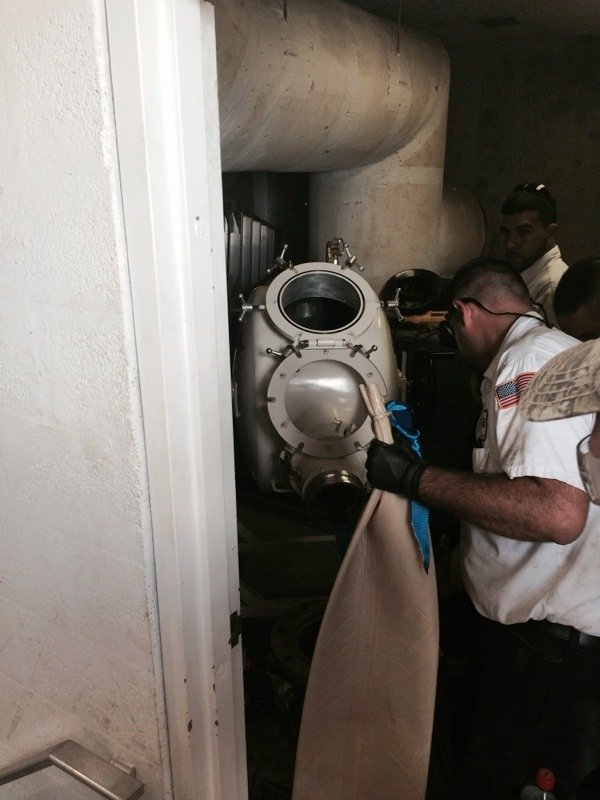
If your home has a PRV — a bell-shaped device on the main line where water enters — it controls the pressure to the whole house. When it fails, pressure can drop, surge, or swing wildly. A plumber can test the PRV and adjust or replace it; this is not a DIY adjustment, because a mis-set PRV can over-pressurize the system and damage fixtures and appliances.
Hidden leaks
A leak in a supply line diverts water before it reaches your fixtures, so pressure drops even though the meter keeps spinning. Signs include an unexpectedly high water bill, a wet spot in the yard, the sound of running water when nothing is on, or a warm spot on the floor (for hot-water slab leaks). If you suspect a leak, our leak detection service can pinpoint it without exploratory demolition.
Municipal supply issues
Sometimes the problem is not in your house at all: water main work, a broken main nearby, or a municipal valve left partially closed after maintenance. If neighbors report the same drop at the same time, check with your water authority before paying for repairs. A quick call can save a needless service visit.
When to Call a Plumber
Call a professional if the pressure is low at every fixture and the main valve is fully open, if the gauge reads below 40 psi with no obvious cause, if you suspect a hidden leak, or if the PRV needs attention. Also call promptly if low pressure came on suddenly — a sudden drop can mean a burst pipe or a major leak, and the sooner it is found the less damage it does. If water is actively leaking, pooling, or you cannot shut it off, treat it as an emergency and use our emergency plumbing services route via the contact page.
What will the plumber actually do? Expect a pressure test at several points, an inspection of the main valve and PRV, and — for older homes — a look at the condition of the supply piping. From there you should get a clear diagnosis and a written quote: a valve replacement, a PRV replacement, a targeted repipe, or a leak repair. Be wary of anyone who recommends a full repipe without showing you evidence of pipe condition.
Low Water Pressure in Pittsburgh: FAQs
What is normal water pressure for a Pittsburgh home?
Most homes run well at 40–60 psi. Below 40 psi, showers and appliances start to feel sluggish. Above 80 psi, you risk leaks, water hammer, and premature wear on fixtures — a regulator is needed if pressure is that high.
Why is my shower pressure low but the sinks are fine?
Usually a clogged showerhead, a blocked shower valve cartridge, or a flow restrictor that has collected debris. Clean or replace the showerhead first; if that does not help, the shower valve itself is the next suspect.
Can a clogged water filter cause low pressure?
Yes. A whole-house filter or softener with a spent cartridge can choke flow to the entire house. Check the filter’s change interval — a filter that is months overdue is a common and easily missed cause.
Will low water pressure fix itself?
Almost never, unless the cause is temporary municipal work. Mineral buildup, corrosion, and failing valves only get worse. A quick diagnosis now is cheaper than the repair that a neglected problem eventually forces.
Weak pressure is annoying, but it is also information — your plumbing is telling you something has changed. Man Made Services can diagnose the cause, explain your options in plain language, and fix it properly, whether that is a ten-minute cleaning or a section of repiping.
If low pressure traces back to your heater — sediment buildup or a failing shut-off — see our water heater repair in Pittsburgh service for diagnosis and repair options.
Have a Plumbing Problem?
From drain and sewer problems to water heaters, hidden leaks and septic services, get professional help from Man Made Services.