Do You Need a Water Softener in Pittsburgh? Hard Water Signs, Costs & Options
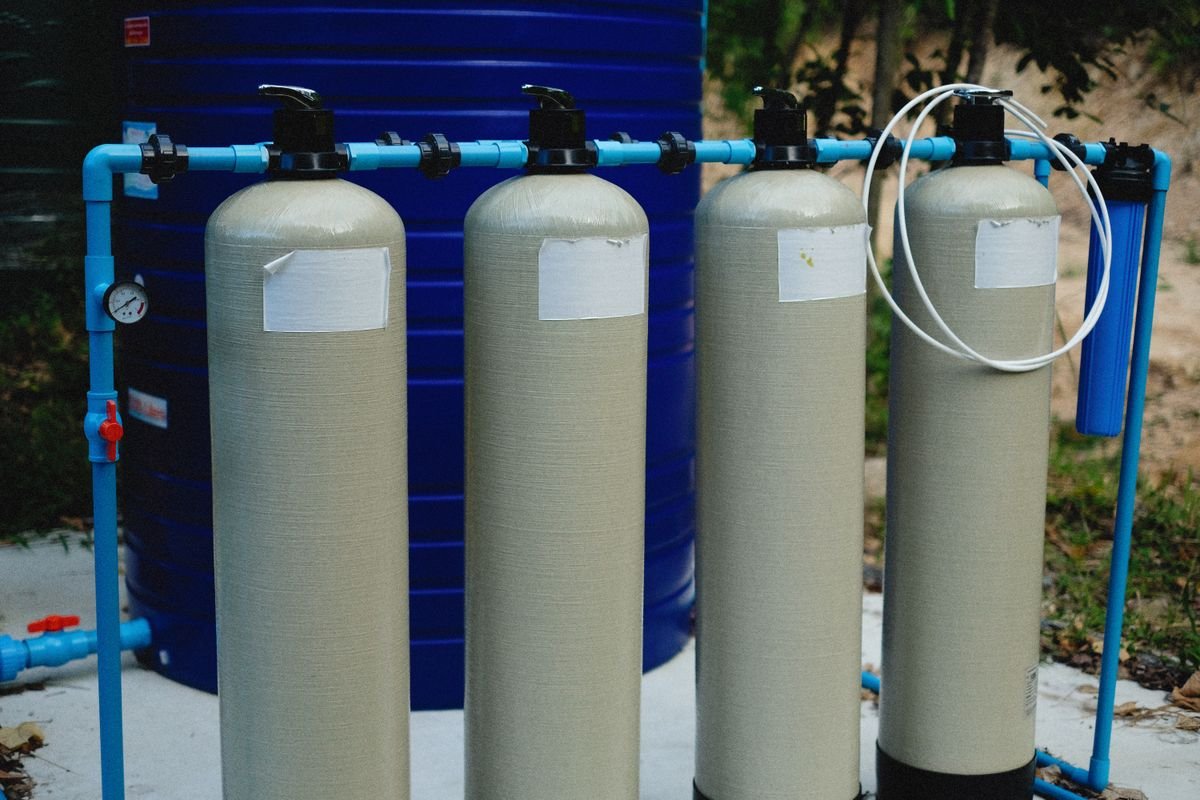
If your dishes come out spotty, your shower glass never looks clean, and your skin feels tight after every shower, you may be living with hard water — and wondering whether a water softener in Pittsburgh is worth the money. Pittsburgh’s water supply is generally considered moderately hard, and many homes in the surrounding suburbs and well-water areas deal with scale buildup that quietly shortens the life of water heaters, dishwashers, and plumbing fixtures. Here’s how to tell if hard water is a real problem in your home, what a softener costs, and which options make sense.
How Hard Is Pittsburgh’s Water?
Pittsburgh’s municipal water, sourced mainly from the Allegheny River, typically tests in the moderately hard range — roughly 7 to 11 grains per gallon (gpg) in many service areas. Water over 7 gpg is officially classified as hard, and over 10.5 as very hard. Homes on private wells in the outer suburbs can see much higher readings, sometimes 15 gpg or more, plus iron and sediment that city water doesn’t have.
The important thing to understand: “hard water” isn’t dangerous to drink. The calcium and magnesium minerals that make water hard are health-neutral. The damage they do is to your home — your pipes, your appliances, and your fixtures.
7 Signs Your Pittsburgh Home Has Hard Water
You don’t need a lab test to spot the early warnings. Look for these:
1. White scale on faucets and showerheads. Chalky white crust around faucet bases, showerheads, and drain covers is mineral scale — the most visible hard-water signature.
2. Spotty dishes and cloudy glassware. If your glasses come out of the dishwasher with spots and film no matter what detergent you use, minerals are the culprit.
3. Soap that won’t lather. Hard water fights soap. If shampoo barely lathers and soap leaves a scummy film on your skin, minerals are interfering.
4. Stiff laundry and faded colors. Clothes washed in hard water come out stiff, dingy, and dull — and you use more detergent to get them clean.
5. Dropping water pressure. Mineral scale builds up inside pipes and fixtures, narrowing them over time. (See our guide on low water pressure caused by mineral buildup for the full diagnosis.)
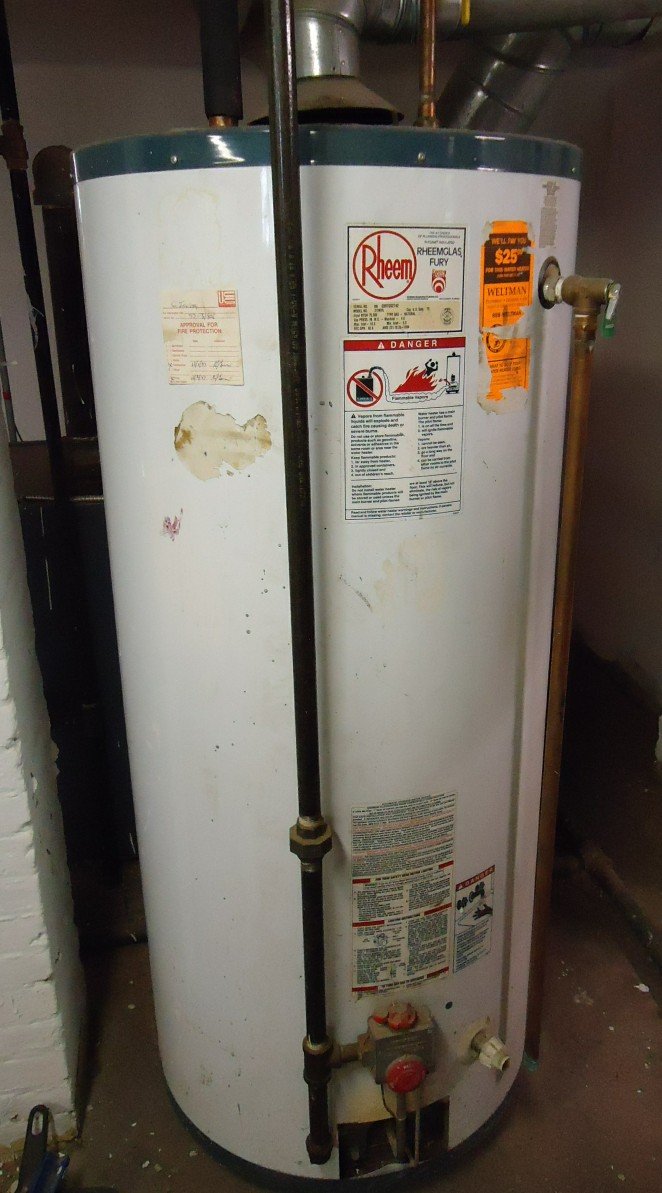
6. Your water heater is aging fast. Scale coats heating elements and the tank bottom, making the heater work harder and fail sooner. Our annual water heater maintenance checklist covers flushing, which helps — but a softener addresses the root cause.
7. Dry, itchy skin and flat hair. Many Pittsburgh homeowners notice the difference within a week of installing a softener — soap rinses clean and skin stops feeling tight.
A simple $10–$20 water hardness test strip from a hardware store gives you an actual grains-per-gallon reading in minutes, and that number is what you should base the decision on.
Water Softener Costs in Pittsburgh
A whole-home water softener installed in Pittsburgh typically costs $500 to $2,500 depending on type and capacity:
- Salt-based ion exchange systems ($800–$2,500 installed): the gold standard — actually removes calcium and magnesium. This is the right choice for genuinely hard water.
- Salt-free water conditioners ($500–$1,500 installed): they don’t remove minerals, they reduce scale adhesion. A compromise for moderately hard water where you want less scale without adding sodium.
- Magnetic/electronic descalers ($200–$500): widely sold, little independent evidence they work. Most plumbers advise against these.
Running costs matter too: a salt-based system uses roughly $50–$100 of salt per year plus a small amount of water for regeneration. Add those up over a decade and the total cost of ownership for a quality salt-based unit is around $1,500–$3,500.
The math works best when your water heater is at stake. If hard water is cutting years off a $2,000+ water heater installation, a softener can pay for itself in appliance longevity alone. Run the numbers against our water heater repair vs. replacement guide to see what your heater’s lifespan is really costing you.
Choosing the Right System for Your Home
Size the unit to your household. A family of four with 10-gpg water needs roughly a 32,000–48,000-grain capacity system. Too small and it regenerates constantly (wasting salt and water); too big and you overpay for capacity you never use.
Placement also matters. The softener goes on the main water line where it enters the home, usually in the basement or utility room. Keep it accessible — you’ll add salt every couple of months and occasionally check the brine tank. If you have a well, get a full water panel first (hardness, iron, pH, sediment) since well water often needs a filtration stage before the softener.
One caution: if you have septic service, mention it to your installer. Softener discharge into septic systems is a common setup question, and a knowledgeable installer will route it correctly. Our septic tank services in Pittsburgh cover the maintenance side if you have a septic system.
What to Do Next
Start with a test strip — a $15 reading beats guessing. If your water tests above 7 gpg and you’re seeing the signs above, get two or three quotes from local water-treatment installers (not just door-to-door sales reps), ask for the grain capacity and warranty in writing, and compare against what you’re already spending on appliances and bottled water. When you’re ready, contact us for a water quality check and we’ll point you toward the right setup for your home.
FAQ
Is Pittsburgh’s water hard?
Yes, moderately. Municipal water typically tests around 7–11 grains per gallon, which is in the hard range. Well water in the suburbs can be much harder.
How much does a water softener cost in Pittsburgh?
Expect $500–$2,500 installed depending on the system type. Salt-based systems (the most effective) run $800–$2,500, plus about $50–$100/year for salt.
Do water softeners actually work?
Salt-based ion exchange systems genuinely remove calcium and magnesium — that’s well-established. Salt-free conditioners reduce scale but don’t soften water. Magnetic descalers have little independent evidence behind them.
Will a water softener help my water heater last longer?
Yes — scale buildup is one of the main reasons water heaters fail early. Soft water dramatically reduces scale on heating elements and tank walls. See our water heater services in Pittsburgh for maintenance options in the meantime.
Have a Plumbing Problem?
From drain and sewer problems to water heaters, hidden leaks and septic services, get professional help from Man Made Services.