After a Frost Night: 5 Pipe & Outdoor Plumbing Checks for Pittsburgh Homeowners
Pittsburgh dipped to 34°F overnight under a frost advisory — the second frost event in five days. Most pipes survive one cold night just fine, but freeze damage rarely announces itself the same morning: a cracked outdoor faucet, a hairline split in an exposed basement pipe, or a weakened joint can leak for days before you notice. Run these five quick checks this morning to catch freeze pipe damage early, when a fix is still cheap.
None of these takes more than a few minutes, and together they take less time than brewing coffee. Do them after any frost or freeze night — the checks are the same whether it’s an October advisory or a January deep freeze.
Test Every Outdoor Faucet — the #1 Source of Freeze Pipe Damage
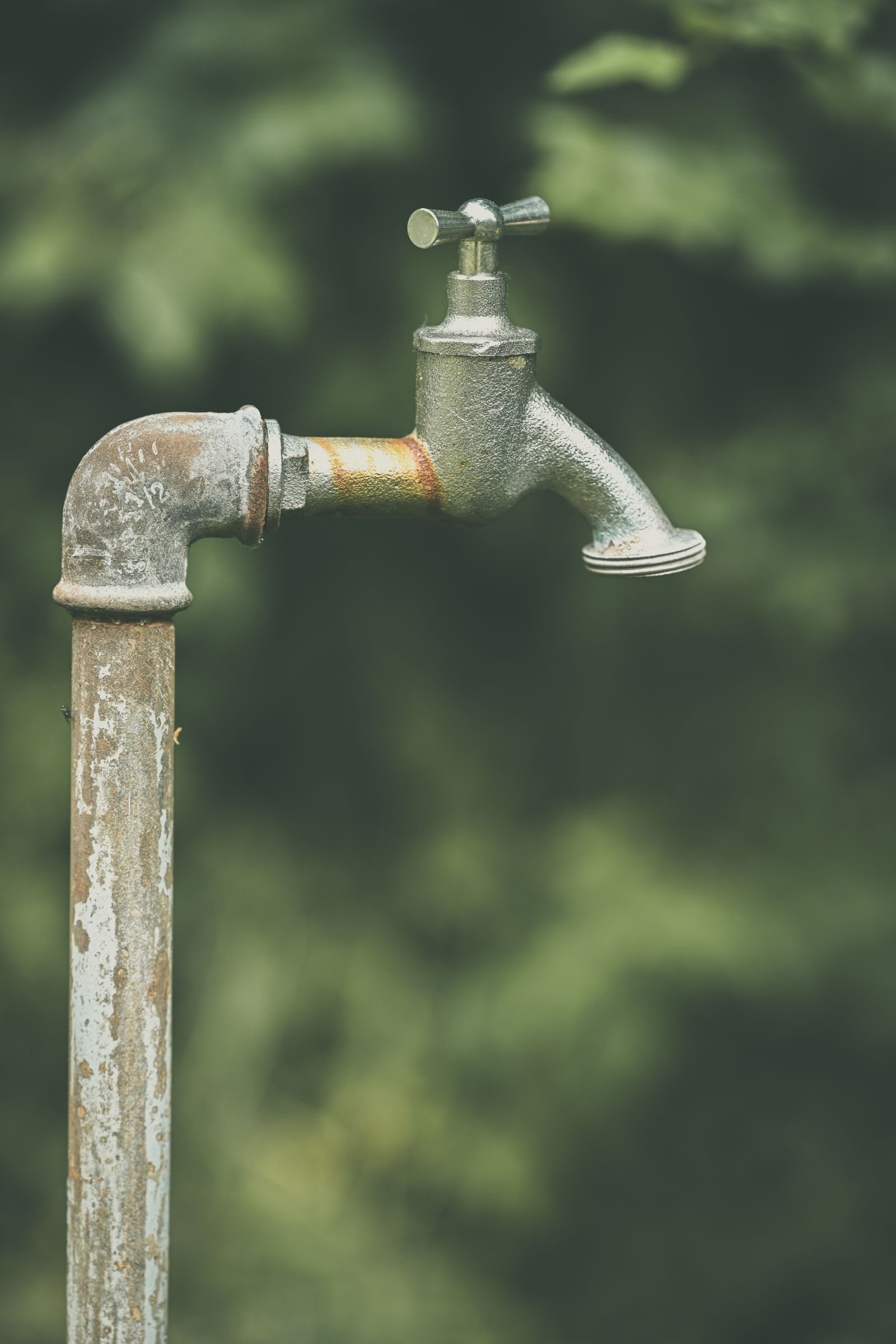
Outdoor faucets are the first casualties of a frost night. Turn each hose bibb on and watch for problems before you need them in spring.
- Low flow or sputtering can mean ice still sitting in the line or a partial blockage from a frost-cracked valve.
- Water leaking from around the handle when the faucet is open often means the frost-free stem’s seal was stressed by freezing — it’ll get worse with every cycle.
- No water at all while indoor taps work normally suggests the supply line to that faucet froze or cracked shut — don’t force it open and walk away; a thaw can release a flood.
- Water bubbling up around the wall behind the faucet is the worst sign: the pipe split inside the wall cavity. Shut the faucet’s interior shut-off valve (usually in the basement just inside) and call a plumber.
Detach any hoses that are still connected — a connected hose traps water in the faucet body and guarantees damage on the next freeze. Hoses off is the single cheapest freeze insurance you own.
Walk the Exposed Pipes in Basement, Garage & Crawl Spaces
Pittsburgh’s older housing stock means plenty of plumbing runs through unheated basements, garages, crawl spaces, and porch additions. These are where frost nights do their slow damage.
Look for damp spots or puddles on the floor under pipe runs, water stains on joists or foundation walls that weren’t there yesterday, and frost or condensation still clinging to pipes late into the morning — pipes that stay frosted long after the sun is up are in a spot that’s too cold and may need insulation before the real winter arrives. Press a paper towel around suspect joints; a hairline crack can weep for weeks before it becomes visible.
If you find an active drip, put a bucket under it, find your main water shut-off valve, and know where it is before you need it in a real emergency — a burst pipe at 2am is a very different experience when you know exactly which valve stops the water.
Check for a Sudden Drop in Water Pressure
Turn on a bathtub faucet — the highest-flow fixture you have — and note the pressure. If it’s noticeably weaker than usual this morning, a section of pipe may have partially frozen and then thawed with a shifted or damaged fitting, or sediment was dislodged by expanding ice and is now clogging a valve.
Don’t ignore a pressure drop just because water still comes out. Partially crushed or split pipes hold for a while, then fail when pressure spikes — like when everyone showers at 7am. If pressure doesn’t return to normal within a few hours, or if the drop is severe, it’s worth a professional look before it becomes a pipe burst.
Look for Damp Spots and Discoloration Indoors
Freeze damage inside finished walls is silent. Scan for:
- Discoloration or bubbling on ceilings below bathrooms or kitchens
- Musty smells appearing in rooms under plumbing runs
- Warped baseboards or paint that suddenly feels soft
- Wet carpet patches along exterior walls
These show up 12–72 hours after the freeze event, not the same morning — so this check isn’t a one-day thing. Do a quick walk-through again tomorrow. Finding a small damp spot now means a simple pipe repair; finding a collapsed ceiling next week means a restoration bill. Finding leaks early is always the cheap option — hidden damage found late turns into a restoration bill.
Inspect the Sump Pump Discharge Line
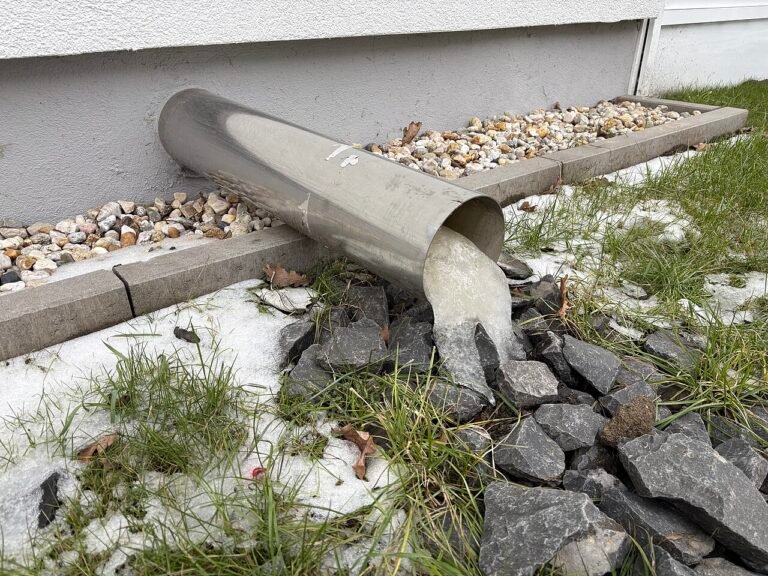
Sump pumps keep Pittsburgh basements dry, but their discharge lines run outside — exactly where frost bites. A discharge line that’s partially frozen can cause the pump to run against a blockage, burn out the motor, or force water back toward the foundation.
Check that the line drains freely by pouring a bucket of water into the sump pit and watching it exit outside. If flow is weak or the pump runs longer than usual, the line may be icing up. Clear any leaves and debris from the exit, make sure the outlet isn’t buried in mulch or sitting in a low spot that pools water, and consider a longer extension hose to move the exit point farther from the foundation. See our sump pump maintenance checklist for a full seasonal rundown.
A Quick Word on the Watch Ahead
Forecasts are eyeing a potentially colder push around Oct 30–31, but models disagree — so treat that as a reminder to finish winter prep, not a reason to panic. If you haven’t already, winterize your pipes now: disconnect hoses, insulate exposed runs, and seal the drafts that let cold air reach your plumbing.
If any of these checks turned up something concerning — a leak, a dead faucet, a pressure drop that won’t recover — contact us before a small freeze fix becomes a burst-pipe emergency.
FAQ
Q: What are the first signs of freeze pipe damage?
A: Leaking outdoor faucets, damp spots under exposed pipes, a sudden drop in water pressure, and discoloration on ceilings or walls within a day or two of the freeze event.
Q: Can pipes freeze at 34°F?
A: Barely — 34°F is right at the freezing threshold, so an exposed hose bibb or a pipe in a drafty spot can see ice form even when the air temperature is technically just above freezing, especially with wind chill. The real burst risk starts below about 28°F, but 34°F nights are a warning to prepare.
Q: Should I leave faucets dripping after a frost night?
A: Dripping helps during an active deep freeze by keeping water moving through at-risk pipes. After the freeze has passed and temperatures are back above freezing, there’s no need to keep them dripping — run the checks above instead.
Q: How long after a freeze can a pipe burst?
A: Not always during the freeze — many bursts happen during the thaw, hours after temperatures rise, when ice plugs shift and water pressure slams into a weakened section. That’s why checking the morning after (and the day after) matters.
Check slow drains too: a drain that gurgles or drains slowly after a frost night can signal a partial blockage, which drain cleaning in Pittsburgh can clear before it becomes a backup.
Have a Plumbing Problem?
From drain and sewer problems to water heaters, hidden leaks and septic services, get professional help from Man Made Services.