Sump Pump Failure Signs: 8 Warnings Your Pump Won’t Survive the Next Storm
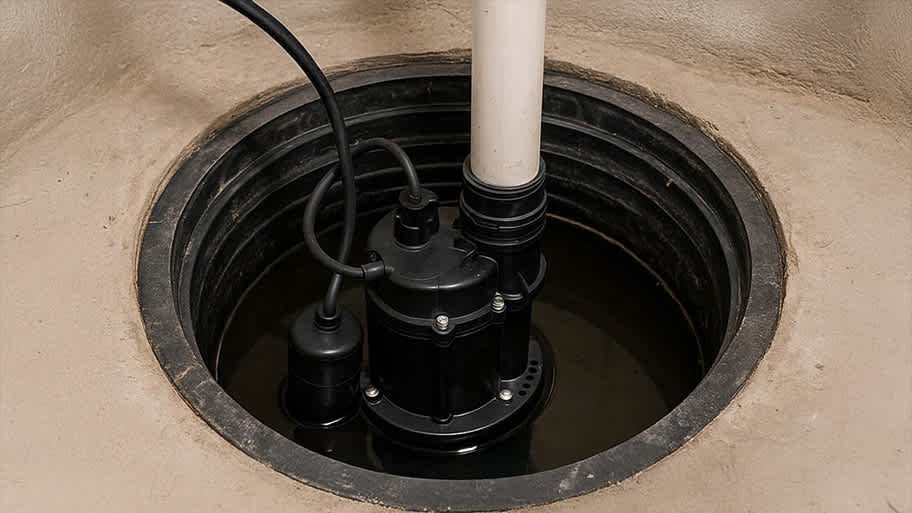
A failed sump pump turns the next heavy rainstorm into a flooded basement. The good news: most pumps telegraph their death weeks in advance. Learn the 8 sump pump failure signs below, test your pump in 5 minutes, and you’ll know exactly when to replace it — before water wins.
8 Sump Pump Failure Signs to Watch For
1. It’s 7–10+ years old. Sump pumps live short, hard lives — most last 7–10 years. If yours is a decade old, treat every heavy rain as a live test and plan the replacement now, not during the storm.
2. Strange noises. Grinding, rattling, or loud humming means worn bearings or a jammed impeller. A healthy pump runs with a steady hum — anything else is a complaint.
3. It runs constantly and won’t shut off. A pump that never cycles off is either fighting a high water table, dealing with a stuck float switch, or too small for the job. Constant running burns out the motor fast.
4. It won’t turn on at all. Lift the float switch manually — if nothing happens, the motor is dead, the float is jammed, or power is the problem. Check the outlet first (pumps on GFCI outlets trip more than people realize).
5. It trips the breaker or GFCI. Repeated tripping means an electrical fault or a failing motor drawing too much current. Resetting the breaker without fixing the cause is borrowing trouble.
6. Visible rust or corrosion. Surface discoloration is cosmetic; deep rust on the housing or fasteners means internal damage and a weakened seal — water is already where it shouldn’t be.
7. Excessive vibration. A pump that shakes violently when it kicks on has a bent or clogged impeller. Left alone, vibration destroys seals and mounting — and floods the pit with debris.
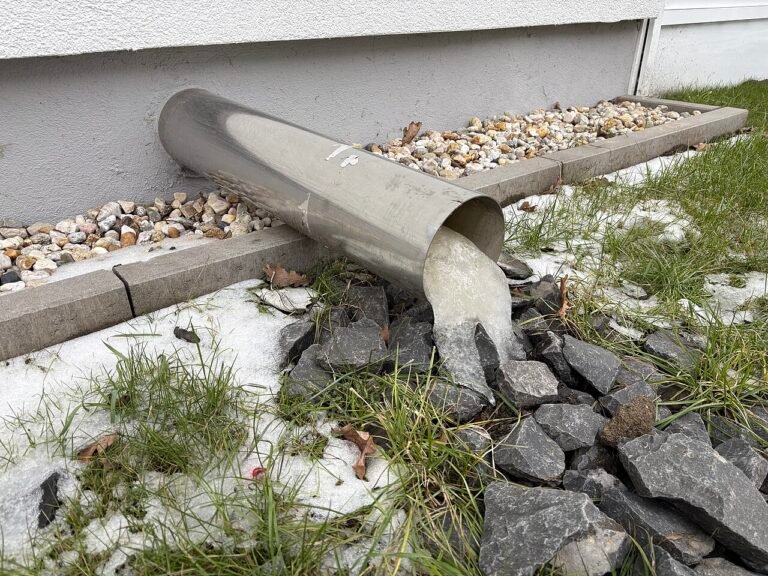
8. Water rises in the pit even while it’s running. The pump is working but water still climbs — the discharge line is blocked, the check valve failed, or (common in Pittsburgh winters) the frozen discharge lines iced shut outside. The pump can’t help you if the water has nowhere to go.
Why Sump Pumps Fail in Pittsburgh Homes
Three local factors do the damage: power outages (pumps die most often during storms — exactly when you need them most), frozen discharge lines (October through March, a discharge line that terminates too close to the house can freeze solid and deadhead the pump), and clay-soil water tables (much of Allegheny County sits on heavy clay that holds water against foundations after every downpour). A pump sized for a dry suburb isn’t enough for a Pittsburgh hillside.
How to Test Your Sump Pump in 5 Minutes
- Pour a 5-gallon bucket of water into the pit (slowly).
- The float should rise and the pump should kick on.
- Watch it pump the pit down — it should shut off, not run dry forever.
- Go outside and confirm water is actually discharging from the line (this catches frozen or buried discharge lines).
- While you’re there, make sure the discharge pipe extends well away from the foundation.
Do this twice a year — spring and fall — and monthly during wet seasons. If the float test fails, call a professional rather than assuming the pump is “probably fine.”
What Sump Pump Replacement Costs in Pittsburgh
| Option | Typical installed cost |
|---|---|
| Primary submersible pump (replace) | $300–$600 |
| Pedestal pump (replace) | $250–$400 |
| Battery backup system (add-on) | $400–$800 |
Typical ranges, not quotes. A battery backup is the single best upgrade in Pittsburgh — it keeps the pump running through the storm outages that knock out power and primary pumps together. Water-powered backups exist too, but many municipalities restrict them, so ask your installer what’s code-legal locally.
FAQ
How often should I test my sump pump?
At least twice a year (spring and fall), and monthly during Pittsburgh’s wet spring season. Test before any forecast of heavy rain.
Do I really need a battery backup?
Strongly recommended. Sump pumps fail most often during severe storms — the same storms that knock out power. A dead primary pump plus no power is how basements flood.
Why is my sump pump running constantly?
A stuck float switch, an undersized pump, or a genuinely high water table. If the float moves freely and it still never stops, have a professional check the sizing and the check valve.
Can I replace a sump pump myself?
Handy homeowners can, but mistakes in float positioning, check-valve orientation, or discharge routing are how basements flood at 2 a.m. Professional installation is the safer bet.
A $400 pump replacement beats a $10,000 basement restoration every time. Run the 5-minute test this week, and if your pump shows any of the signs above, contact us for a replacement quote — or call an emergency plumber in Pittsburgh if water is already rising.
If the sump discharge line itself is slow or backing up, it may share a drain problem — see drain cleaning in Pittsburgh for how a blocked discharge line is cleared.
Have a Plumbing Problem?
From drain and sewer problems to water heaters, hidden leaks and septic services, get professional help from Man Made Services.