Clogged Toilet Repair Pittsburgh: What to Try First & When to Call a Plumber
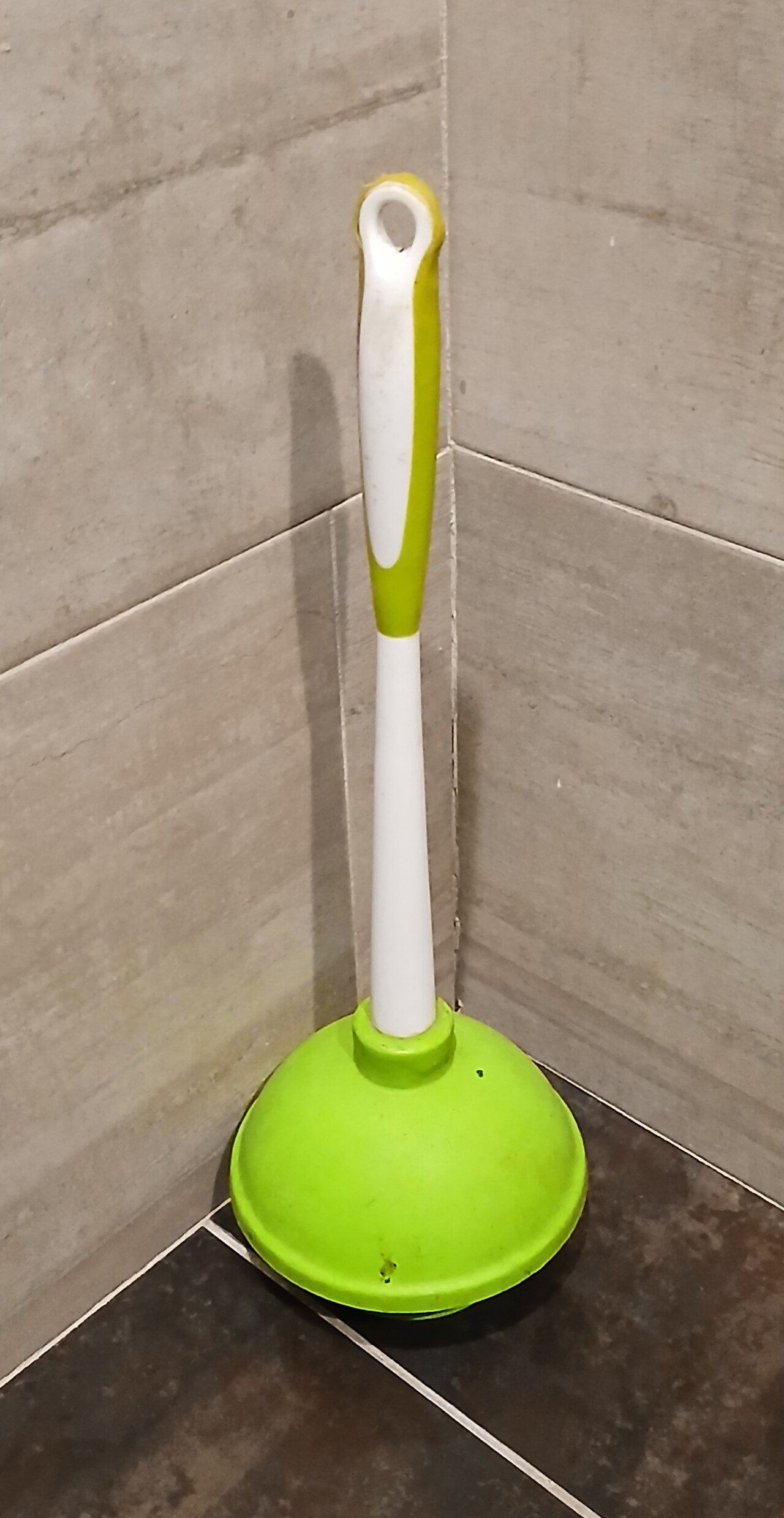
A clogged toilet is the one plumbing problem nobody wants to wait out — and most cases of clogged toilet repair Pittsburgh homeowners face are fixed in under 15 minutes with the right plunger technique. The trick is knowing which method matches your clog, what not to pour down the bowl, and when to stop DIY and call a professional before a small clog becomes a flooded bathroom.
Stop the Water First
Before you do anything else, lift the tank lid and make sure the water has stopped rising. If the bowl is close to overflowing, turn off the shut-off valve behind the toilet (turn it clockwise) or lift the float in the tank to stop the fill. Mop up any water on the floor right away — toilet water is unsanitary, and standing water can damage flooring and the subfloor.
Use the Right Plunger (This Matters More Than You Think)
Most households own the wrong plunger: a flat cup plunger made for sinks. Toilets need a flange plunger — the one with the extra rubber flap that folds out and seals inside the drain opening. That seal is what creates the pressure that actually moves the clog.
- Make sure there is enough water in the bowl to cover the plunger cup. If the bowl is nearly empty, add water from a bucket — not by flushing again.
- Place the flange into the drain opening and press down slowly to expel air and form a seal.
- Plunge vigorously up and down for 15–20 seconds, keeping the seal. The motion should be forceful but controlled — you are pushing and pulling water against the clog, not splashing it everywhere.
- Pull the plunger up sharply on the last stroke to break the clog free, then flush once to test.
If the water drains normally, you are done. If it drains slowly or the level stays high, repeat once. Two solid attempts with a proper flange plunger clear the large majority of ordinary clogs.
What NOT to Do With a Clogged Toilet
- Do not keep flushing. Every extra flush adds a bowlful of water that has nowhere to go. One test flush after plunging is enough.
- Do not pour in chemical drain cleaner. Caustic chemicals rarely dissolve a toilet clog, they can damage older porcelain and wax seals, and they create a hazardous splash risk for whoever eventually plunges or snakes the line — including you.
- Do not use a wire coat hanger. It scratches porcelain and can puncture the wax ring seal at the toilet’s base, causing a slow leak you will not notice until the floor is damaged.
- Do not ignore a clog that keeps coming back. A toilet that clogs every few weeks is telling you something about the line behind it, not the toilet itself.
When Clogged Toilet Repair Pittsburgh Pros Are Worth the Call: 5 Signs
- Multiple fixtures are affected. If the toilet clogs and the tub or shower drains slowly at the same time, the blockage is likely in the main line, not the toilet. That is a job for professional drain cleaning services with a powered auger and, if needed, a camera.
- Water backs up elsewhere. Flushing the toilet makes water rise in the shower drain, or running the washing machine makes the toilet gurgle. These are classic main-line symptoms.
- Sewage or a strong sewer smell appears. Wastewater coming back up is a health hazard — stop using water in the house and call for emergency plumbing services in Pittsburgh right away.
- The plunger and a toilet auger both fail. A closet auger (a short, hand-cranked snake made for toilets) reaches about 3–6 feet. If it does not clear the clog, the blockage is deeper in the line.
- The toilet rocks, leaks at the base, or the floor feels soft. A failed wax ring or a leaking base needs repair, not plunging — and a soft floor can mean water damage underneath. A leak detection check finds the source before the repair bill grows.
Pittsburgh’s older housing stock adds one more wrinkle: many homes still have cast-iron or clay sewer laterals, and tree roots love them. If your toilet clogs repeatedly and mature trees stand near the sewer line, ask the plumber to camera-inspect it — recurring clogs can be roots or a cracked lateral, which fall under sewer line repair rather than another round of plunging.
What Never to Flush (the Short List That Prevents Most Clogs)
Toilets handle human waste and toilet paper. Everything else is a clog waiting to happen — even products labelled “flushable.” Wipes do not break down like toilet paper and are the single most common cause of main-line clogs plumbers see. Also keep out: paper towels, cotton balls and swabs, dental floss (it tangles into nets that catch everything else), feminine hygiene products, grease, and cat litter. Homes on septic systems should be extra strict — what clogs a toilet can also overload a tank, so follow the same rules and keep up with septic services in Pittsburgh on schedule.
FAQ
How long should I plunge a clogged toilet before giving up?
Two rounds of 15–20 seconds with a proper flange plunger. If the water level does not drop after that, try a closet auger once. If neither works, the clog is beyond DIY reach — call a plumber rather than forcing it.
Can I use dish soap and hot water to unclog a toilet?
A squirt of dish soap plus a bucket of hot (not boiling) water can help a minor paper clog by lubricating it. Pour slowly from waist height, wait 15 minutes, then plunge. Skip this if the bowl is already full, and never use boiling water — it can crack porcelain.
Why does my toilet clog every few weeks?
Recurring clogs usually mean a deeper problem: low-flow toilets with weak flushes, a partially blocked main line, tree roots, or a damaged pipe section. A camera inspection finds the real cause so you stop paying for the same fix.
Is a clogged toilet an emergency?
If it is your only toilet, if sewage is backing up, or if water is overflowing, yes — treat it as urgent. A single slow toilet in a house with a second bathroom can usually wait for a next-day appointment.
Most clogged toilets are a 15-minute fix with the right plunger and a little patience. But when the clog keeps returning, affects other fixtures, or involves sewage, stop guessing and get a professional out — the underlying problem is almost always cheaper to fix now than after it floods a bathroom.
Have a Plumbing Problem?
From drain and sewer problems to water heaters, hidden leaks and septic services, get professional help from Man Made Services.