Backflow Prevention in Pittsburgh: What It Is, Who Needs It & Testing
Backflow prevention Pittsburgh water customers hear about most often on a test notice or a new irrigation install is, at heart, a simple idea: drinking water should only ever flow one way — into your home, never back out of it. Backflow is the unwanted reversal of that flow, when water from inside a property — from a garden hose, a sprinkler system, a boiler, or a commercial process — is drawn or pushed back into the clean drinking-water supply. It does not happen often, but when it does, it can contaminate water for a whole street, not just one house. That is why prevention devices exist, and why some of them must be tested every year.
Backflow Prevention Pittsburgh: How Backflow Happens
Backflow happens in two ways. Backsiphonage is a suction effect: a water-main break, a fire hydrant opened nearby, or heavy demand elsewhere drops pressure in the main, and water in hoses and pipes is siphoned backwards. Picture a garden hose left lying in a paddling pool or a bucket of cleaning solution when pressure drops — the contents can be pulled straight back toward the main. Backpressure is the opposite push: a boiler, a pump, an elevated tank, or an irrigation system on a property creates higher pressure than the supply main and forces its water backwards. Both routes are invisible from the tap, which is why the protection has to be fitted in advance, not improvised after an incident.
The everyday cross-connections that cause trouble are ordinary ones: a hose connected to a chemical sprayer, a lawn sprinkler system without a proper device, a boiler feed line, a fire-sprinkler system, a swimming-pool fill line, or a commercial sink with a hose. None of these is exotic. Any home or business with irrigation, a boiler, a pool, or commercial water use has at least one place where a backflow device belongs.
The Main Backflow Devices, Explained Simply
Air gap. The simplest protection is physical separation: a tap or outlet ends well above the rim of a sink, tank, or drain, so water can never siphon back. Air gaps protect many fixtures by design, but they cannot be used everywhere — a sprinkler or boiler line needs a mechanical device instead.
Pressure vacuum breaker (PVB). Common on residential irrigation systems, a PVB stops backsiphonage only. It must sit above the highest sprinkler head, it cannot be used where backpressure is possible, and it is not suitable for continuous-pressure or chemical-injection setups.
Double check valve assembly (DCVA). Two check valves in series, used for lower-hazard connections such as fire-sprinkler lines without chemicals. It guards against both backsiphonage and backpressure but has no relief vent, so it is not the right choice where the hazard is high.
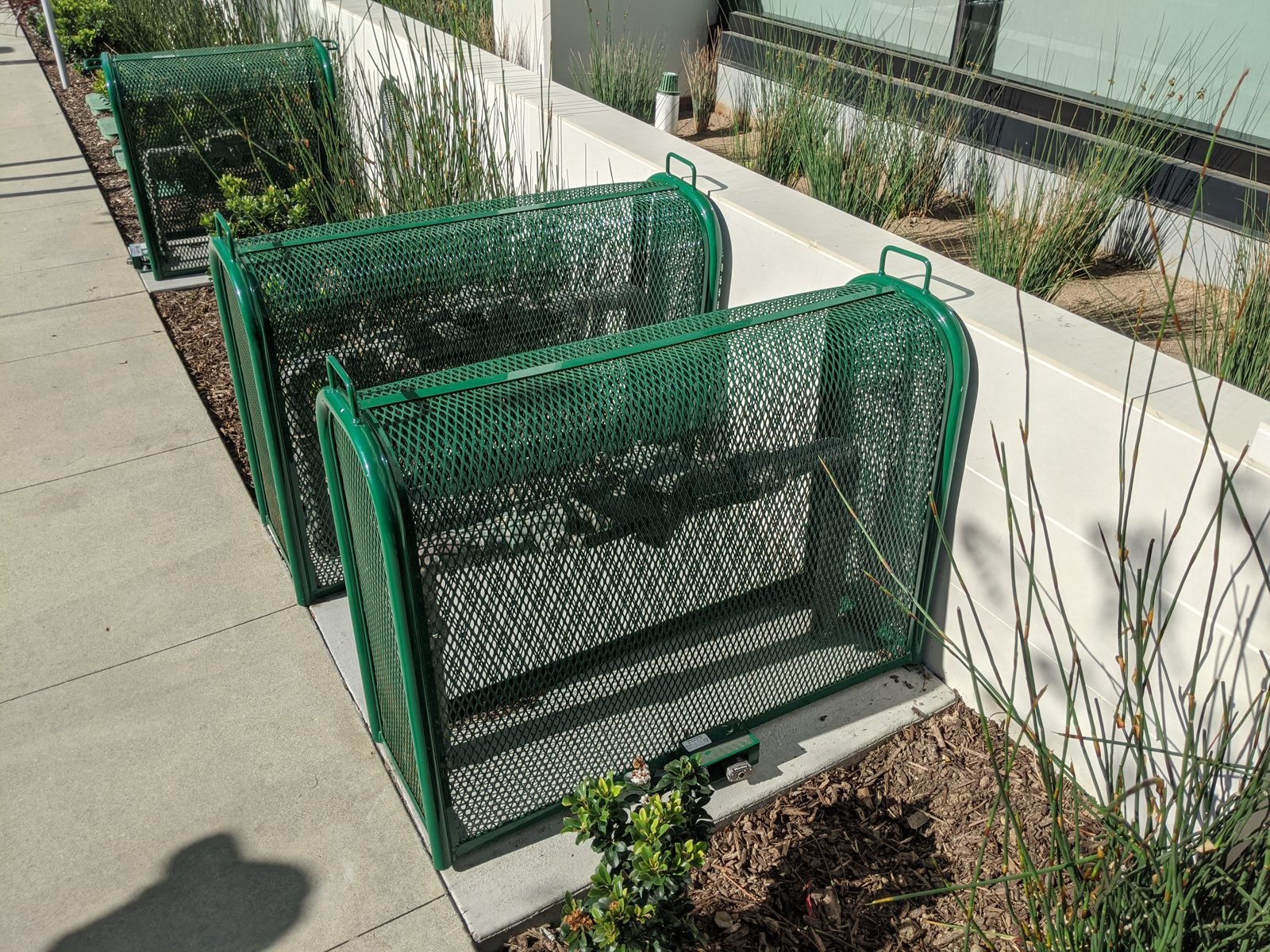
Reduced pressure zone assembly (RPZ). The highest level of mechanical protection, with two check valves plus a relief valve that dumps water if either check fails. RPZs are used for high-hazard connections — commercial sites, chemical feed systems, and many irrigation systems with fertiliser injectors. They are larger, pricier, and must be installed where the relief discharge can drain safely.
Choosing the wrong device is almost as bad as having none: a PVB where backpressure exists, or a DCVA where chemicals are involved, leaves the hazard open. The right device depends on the hazard level, the type of system, and the requirements of your water provider — a plumber who does backflow work can survey your property and match the device to the risk rather than guessing from a catalogue.
Who Needs Backflow Testing, and How Often?
Testing rules vary by water provider and property type, so treat any general statement as a starting point and check your own provider’s requirements. As a rule, commercial properties, properties with irrigation or fire-sprinkler systems, and homes with a boiler feed, a pool, or a chemical-injection irrigation setup are the ones most likely to need a testable device — usually an RPZ or DCVA — tested once a year by a certified tester. Residential homes on a standard city supply with no irrigation, boiler feed, or pool often need no testable device at all, because their fixtures are protected by air gaps and built-in check valves.
A test is not a visual glance. The tester shuts valves in sequence, attaches a calibrated test kit, and measures whether each check valve holds and whether the relief valve opens at the right pressure. A device that passes gets a report for the water provider; a device that fails is repaired or replaced and retested. If you receive a test-due notice, do not ignore it — providers can escalate from reminders to fines or, in extreme cases, service action. Early November is a sensible time to clear a due test, especially if your irrigation system is being shut down for the season: the device can be tested, drained, and protected in one visit.
What Testing and Installation Typically Cost
Annual testing for a single device typically runs $75–$200, depending on device type and access. Installing a new residential irrigation PVB typically runs $300–$600, while a commercial RPZ installation can run $800–$1,500 or more once piping, drainage for the relief valve, and any enclosure are included. Repairs vary widely — a check-valve rebuild kit is modest, a full RPZ replacement is not. These are typical ranges, not quotes, and the right first step is a survey, not a price guess: the device you need is decided by hazard, not by budget.
Warning Signs Something Is Wrong
Backflow itself usually has no warning signs at your own tap, which is exactly why devices and testing matter. But call a plumber promptly if you notice discoloured or odd-tasting water after nearby main work or a hydrant flush, a backflow device discharging water continuously from its relief valve, a flooded valve box around an irrigation device, or a sprinkler system that drains back when it shuts off. Continuous relief discharge means a check valve has failed and the device is doing its job by venting — it still needs repair. And if water is coming from somewhere it should not, treat it as urgent: shut off the affected system if you safely can and call for emergency plumbing services in Pittsburgh rather than waiting to see if it stops.
FAQ
Do all Pittsburgh homes need a backflow preventer?
No. Most standard homes do not need a testable device. The need arises with irrigation, boilers, pools, fire sprinklers, or commercial use. If you are unsure, a survey settles it — do not buy a device you do not need, and do not skip one you do.
How is backflow testing different from a plumbing inspection?
Testing is a calibrated, device-specific procedure with pass/fail measurements and a report to the water provider. A general plumbing inspection looks at fixtures, leaks, and condition but does not certify a backflow device.
Can I test my own backflow device?
No — testing requires certification, a calibrated test kit, and reporting to the provider. Homeowners can keep the area around the device clear, protect it from freezing damage, and watch for relief-valve discharge between tests.
What happens if my device fails its test?
The tester will explain whether it needs cleaning, a rebuild kit, or replacement, and will retest after the repair. Keep the pass report: your provider will want it on file.
Clean water flowing one way is something most of us never think about — until a main break or a failed valve reminds us why the rule exists. If your property has irrigation, a boiler, or a pool, check whether a testable device is fitted and whether its test is current. If you are planning an irrigation install or have received a test notice, get the survey and test booked, and if anything is discharging, discoloured, or flooding, get leak detection or emergency help the same day rather than letting a small discharge become a contamination risk.
Have a Plumbing Problem?
From drain and sewer problems to water heaters, hidden leaks and septic services, get professional help from Man Made Services.