High Water Pressure in Pittsburgh: Signs, Risks & How to Fix It
Low water pressure gets all the complaints, but high water pressure is the quieter threat — it does not announce itself with a weak shower, it just shortens the life of everything it touches. Many cases of high water pressure Pittsburgh homeowners live with for years come from the municipal supply or a failed pressure regulator, and the damage shows up as pinhole leaks, running toilets, and appliances that die early. Here is how to spot it, test it, and fix it before it turns into a leak.
What Counts as High Water Pressure?
Residential plumbing is designed for roughly 40–60 psi (pounds per square inch). Most fixtures and appliance warranties assume pressure in that range, and plumbing codes generally treat anything above 80 psi as too high. Municipal supplies can deliver well above that, especially to homes at the bottom of a hill or near a pumping station — which is common in Pittsburgh’s hilly neighborhoods, where elevation changes swing street pressure dramatically from one block to the next. If your home has no pressure-reducing valve (PRV), you get whatever the street delivers.
High Water Pressure Pittsburgh: How to Test It at Home
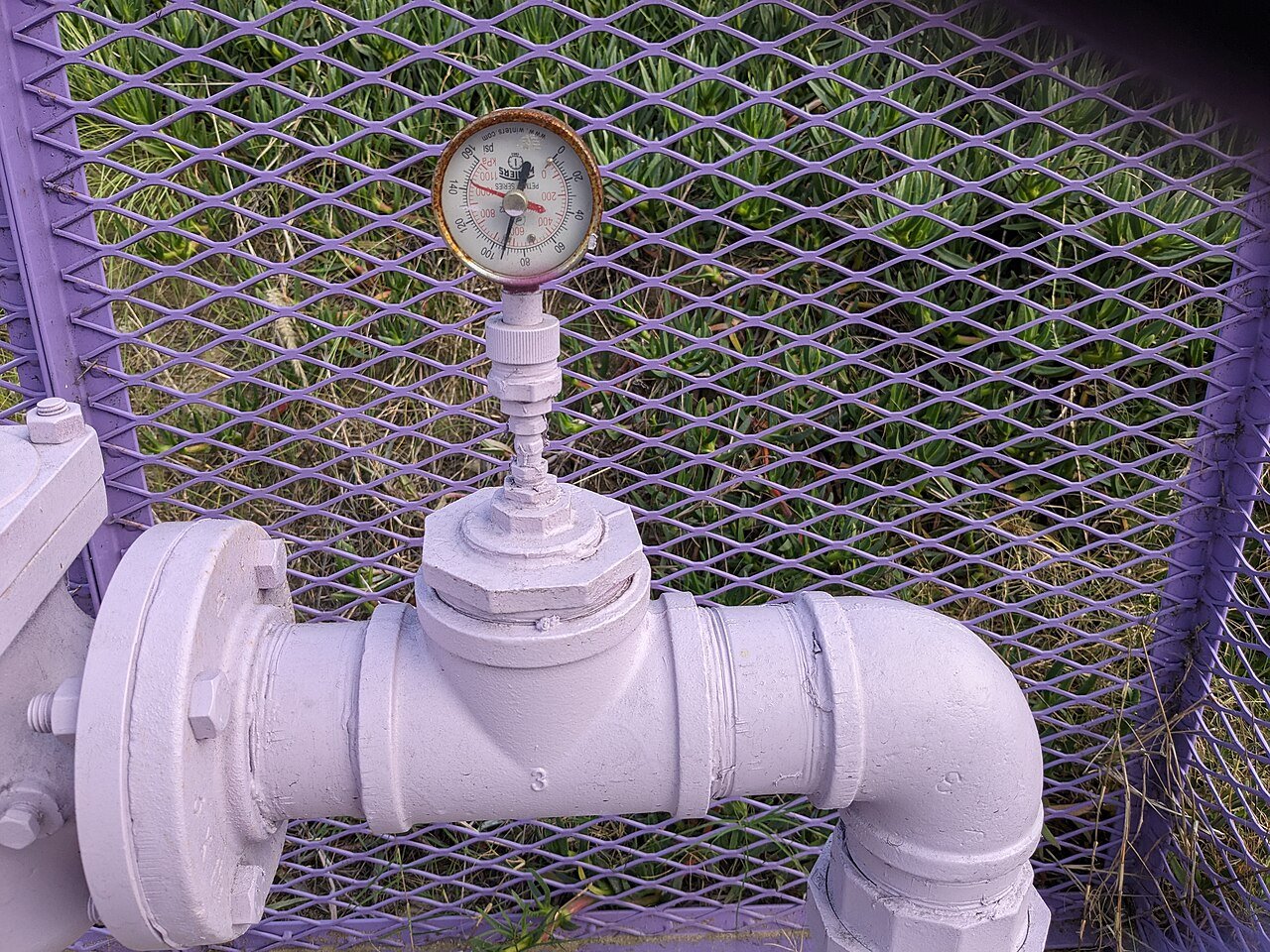
A $10–$15 pressure gauge from a hardware store screws onto any outdoor hose bibb and tells you in a minute:
- Turn off all water-using appliances and taps in the house.
- Screw the gauge onto an outdoor spigot and open the spigot fully.
- Read the static pressure. 40–60 psi is ideal; 60–80 is acceptable but worth watching; above 80 psi, you need a regulator or an adjustment.
- For the full picture, leave the gauge on overnight if it has a peak-hold needle — pressure often spikes at night when neighborhood demand drops, so a daytime reading can understate the problem.
If you do not have a gauge, watch for the symptoms below — but a gauge reading is what a plumber will want before recommending a fix, so it is worth the small purchase.
7 Signs Your Pressure Is Too High
- Banging or hammering pipes when taps shut off (water hammer gets worse with pressure)
- Toilets that run, refill oddly, or need frequent flapper/fill-valve replacements
- Faucets that drip soon after new washers or cartridges are fitted
- Pinhole leaks in copper lines, especially in older Pittsburgh homes with aging pipe
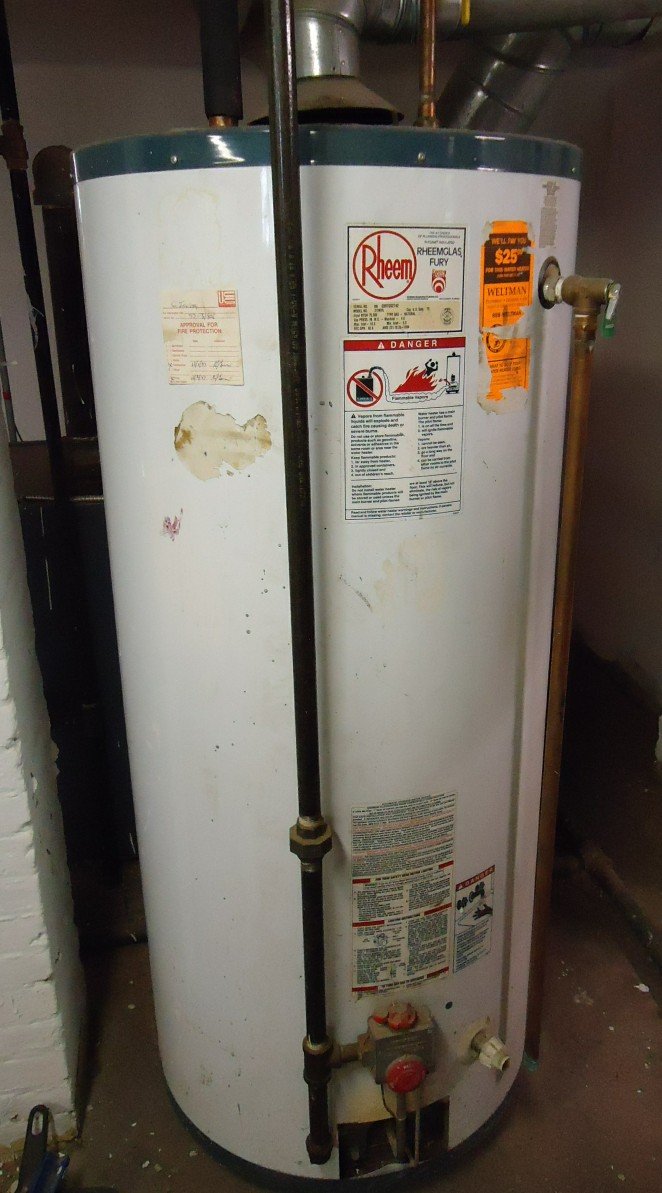
- Water heater relief valve dripping or a water heater that fails early
- Appliances with short lives — washing machines, dishwashers, and ice makers all suffer under constant high pressure
- Spitting or spraying faucets when first opened, or a shower that feels harsh rather than strong
Any two of these together are worth a gauge test. High pressure rarely causes a dramatic failure on its own — it causes a slow accumulation of small ones, which is why it goes unnoticed.
What High Pressure Damages (and What It Costs)
The damage is cumulative. Constant pressure above 80 psi stresses joints, flexes appliance solenoid valves, and accelerates wear on every rubber seal in the system. The expensive consequences are the ones homeowners actually notice: a pinhole leak inside a wall (found by leak detection after the water bill or a damp patch gives it away), a water heater that needs replacing years early, or a washing-machine hose that bursts while nobody is home. Compared with those bills, the fix is cheap — which is the whole point of catching it early.
The Fix: A Pressure-Reducing Valve (PRV)
Most homes with high pressure need a PRV installed on the main water line where it enters the house. The valve is adjustable — a plumber sets it to around 50–60 psi — and it protects the entire system downstream. If your home already has a PRV and pressure is still high, the valve itself has likely failed (they typically last 10–15 years) and needs adjusting or replacing. PRV installation or replacement is a licensed-plumber job: it involves cutting into the main line, and the valve must be sized and set correctly for your home’s demand. Typical installed cost runs $300–$600, depending on access and whether the main shut-off needs replacing at the same time.
One caution: after a PRV is installed or tightened, your system becomes “closed” — water heated in the tank has nowhere to expand to. A good installer checks for this and fits an expansion tank if needed, so mention it explicitly if your water heater predates the PRV work.
What NOT to Do
Do not just throttle the main shut-off valve partway to reduce pressure — it does not regulate pressure, it only restricts flow, and it wears the valve out. Do not ignore the relief-valve drip on a water heater either: it can be a pressure symptom, and a relief valve that has been dripping for months may not work when it matters. And if pressure is high only at one fixture, the problem is local to that fixture (a faulty cartridge or aerator), not the whole house — test at the hose bibb before assuming a system-wide issue.
FAQ
Is high water pressure an emergency?
Not usually — but it becomes one when it causes a burst hose or a major leak. If you find a burst line or active flooding, shut off the main valve and call emergency plumbing services in Pittsburgh right away.
Can high water pressure cause a burst pipe?
On its own, rarely in a healthy system — but it accelerates every weakness that does burst pipes: corroded joints, worn hoses, and fatigued valves. In older homes it is a major contributing factor.
How often should I check my water pressure?
Once a year, or whenever you notice new plumbing symptoms. Homes with a PRV should have the valve checked at the same time — a failed PRV silently returns you to street pressure.
Does a PRV reduce my shower pressure too much?
Set correctly (50–60 psi), no — most people notice no difference, and showers often feel better because the flow becomes steady instead of surging. If showers feel weak after a PRV install, the setting may be too low or a filter may be clogged.
High water pressure is the plumbing problem you fix before it announces itself. A $10 gauge, a one-minute test, and — if the reading is over 80 psi — a PRV set to the 50–60 range will add years to your pipes, your water heater, and your appliances.
High pressure also shows up at the water heater — a dripping relief valve is a common symptom, and our guide to water heater repair in Pittsburgh covers what to check before the valve fails.
Have a Plumbing Problem?
From drain and sewer problems to water heaters, hidden leaks and septic services, get professional help from Man Made Services.