Buying a Home in Pittsburgh? Your Plumbing Inspection Checklist
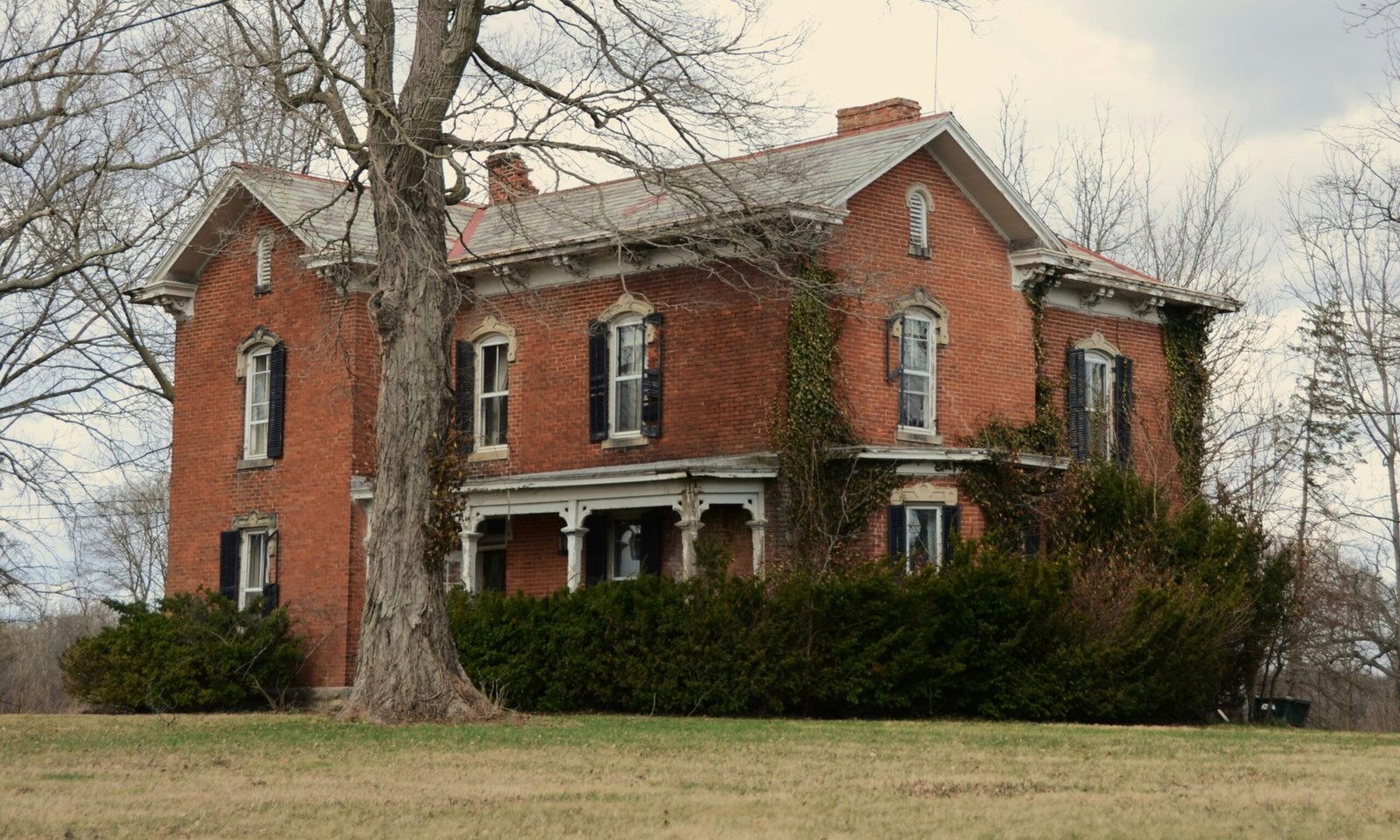
Pittsburgh’s housing stock is among the oldest in the country, which means a charming brick home can hide expensive plumbing problems behind its walls. A general home inspection covers plumbing basics, but a dedicated plumbing inspection goes deeper: supply lines, the water heater, the sewer lateral, and the telltale signs of old repairs. Here’s the checklist to run before you close — whether you hire a plumber to inspect or walk through the property yourself.
Plumbing Inspection: Start With Water Pressure and Fixtures
Turn on several fixtures at once — a shower, a kitchen tap, a bathroom sink — and watch what happens. Pressure that drops noticeably when multiple fixtures run can signal undersized or corroded supply lines, a failing pressure regulator, or a partially closed main valve. Run hot water and time how long it takes to arrive; a long wait in a small house can mean the water heater is far away, poorly piped, or struggling.
Flush every toilet and watch the tank refill. A toilet that runs constantly, fills slowly, or rocks on its base is telling you something. Check the water color too: brownish or rusty water on first draw, especially from hot taps, often points to a corroding water heater tank or old galvanized supply pipes — both common in Pittsburgh’s older homes and both worth pricing before you commit.
Look Under Sinks and Around Toilets
Open every cabinet under every sink. You’re looking for water stains, warped cabinet floors, musty smells, and fresh-looking repairs that might be covering a chronic leak. Run the faucet and watch the drain connections while you’re there. Around toilets, check the base for softness in the flooring, caulking that’s hiding gaps, and any sign of past wax-ring failures.
Stains on ceilings below bathrooms are another classic tell — they mean water has traveled, and the question is whether the leak was fixed or just painted over. If you spot signs of past water damage with no clear repair history, that’s exactly the kind of hidden issue a professional leak detection survey can resolve before closing, using moisture meters and thermal imaging rather than guesswork.
The Water Heater: Age, Condition, and Red Flags
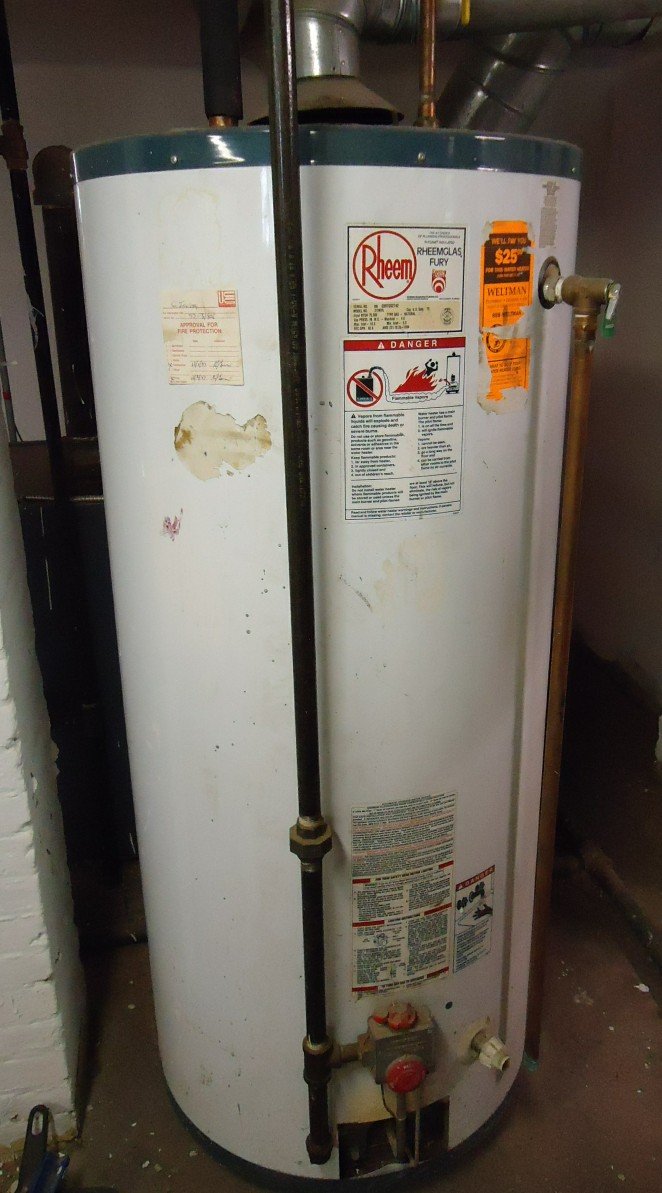
Find the water heater’s manufacturer label and check the serial number — the manufacture date is usually encoded in it, and most tank water heaters last roughly a decade. A unit pushing past that age isn’t an automatic deal-breaker, but it is a negotiating point: you’ll likely be replacing it sooner rather than later. Look for rust streaks on the tank, moisture around the base, a corroded temperature-and-pressure relief valve, and any venting issues on gas units.
Ask the seller for the water heater’s age and service history. If they don’t know, that’s information too — it suggests maintenance wasn’t a priority. Our water heater services page covers what proper installation and sizing look like, which is useful context when you’re evaluating what’s already in the basement.
The Sewer Lateral — The Most Expensive Surprise
This is the big one. The sewer lateral — the pipe from the house to the street main — is the homeowner’s responsibility, it’s buried, and replacing it is one of the priciest plumbing jobs there is. In Pittsburgh’s older neighborhoods, many laterals are original clay or cast-iron pipe, vulnerable to root intrusion and collapse. A standard home inspection does NOT include a sewer camera inspection; you have to order it separately, and on an older home it’s some of the best money you’ll spend in the buying process.
A camera inspection shows cracks, offsets, root intrusion, bellies (low spots where waste collects), and the pipe material and condition along the full run. If the camera finds major problems, you negotiate: the seller repairs it, credits you the cost, or you walk away. Finding out after closing is the expensive version of this lesson. See our sewer line repair page for what modern repair options look like.
Signs of Past Leaks and DIY Repairs
Mismatched pipe materials joined without proper transitions, shark-bite fittings in hidden walls, fresh drywall patches in suspicious places, a sump pump that runs constantly — each of these deserves a question. None of them automatically kills a deal, but together they paint a picture of how the home’s plumbing was maintained. Also check the basement walls and floor for efflorescence (white mineral deposits) and water lines, which indicate past water intrusion even if everything looks dry today.
Finally, ask directly: has the seller ever filed a water-damage insurance claim? Has there been a sewer backup? Sellers must disclose known material defects, and their answers — or evasions — belong in your decision alongside everything you saw with your own eyes.
Questions to Ask Before You Close
Bring these to your inspector or the seller: How old is the water heater and the main supply piping? What material is the sewer lateral, and has it ever been camera-inspected? Where is the main shut-off valve, and does it work? Has the basement ever flooded, and is there a sump pump or backwater valve? The answers turn an emotional purchase into an informed one — and in a market of century-old homes, information is what protects your budget. Browse Our Services for the full picture of what we handle, or reach us through our contact page if you’d like a professional plumbing walkthrough before you buy.
Frequently Asked Questions
How much does a plumbing inspection cost?
Costs vary by market and scope. A general home inspection includes basic plumbing checks; a dedicated plumbing inspection or a standalone sewer camera inspection is usually ordered — and billed — separately. On an older Pittsburgh home, the sewer camera portion is the highest-value part.
Should I get a sewer camera inspection on an older home?
Yes. Standard inspections don’t cover the buried sewer lateral, which is your financial responsibility and one of the most expensive things to replace. A camera inspection before closing turns an unknown into a negotiating point.
What plumbing issues should make me walk away?
No single issue automatically kills a deal — it depends on price and your renovation budget. But a collapsed sewer lateral, widespread galvanized pipe corrosion, or evidence of chronic hidden leaks should all be priced into your offer or resolved by the seller first.
Can I do my own plumbing walkthrough?
You can spot a lot with this checklist: pressure, stains, water heater age, and fixture condition. But a licensed plumber with a camera and moisture meter sees what eyes can’t — for a major purchase, the professional version is worth it.
Have a Plumbing Problem?
From drain and sewer problems to water heaters, hidden leaks and septic services, get professional help from Man Made Services.