Septic System Care: What Pittsburgh Homeowners Need to Know
Septic Isn’t Rare Around Here
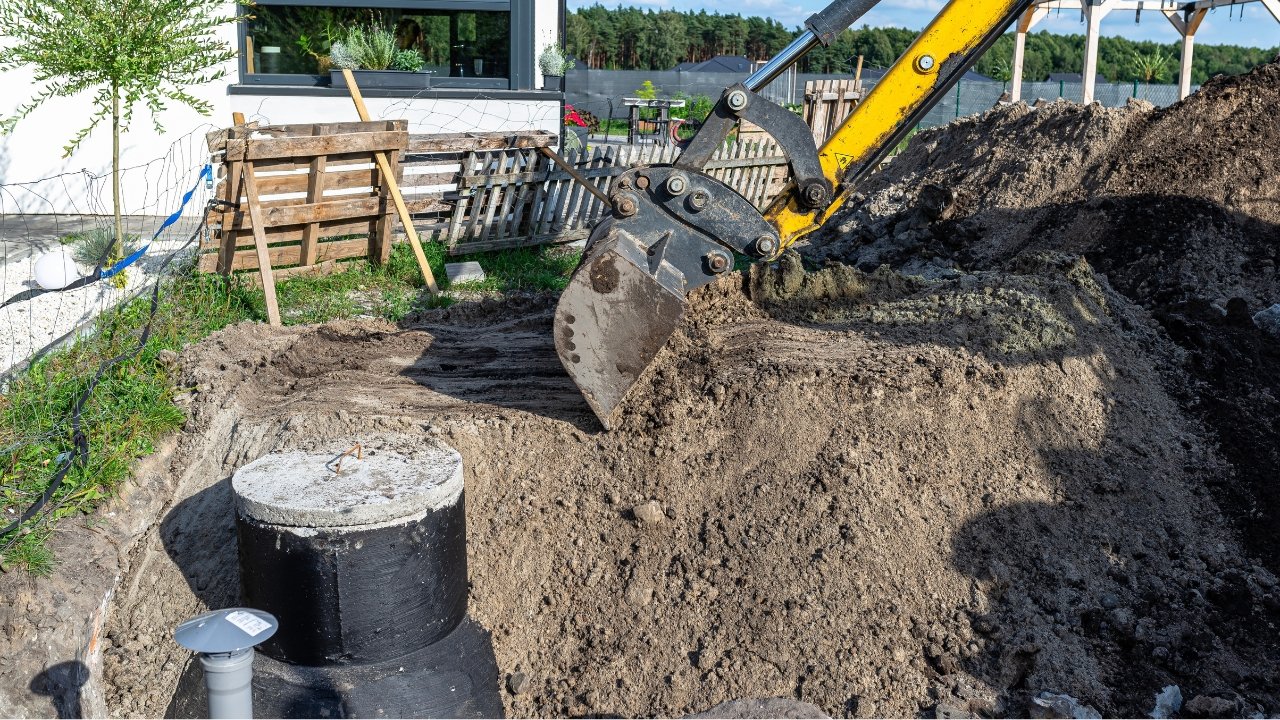
Inside Pittsburgh’s city limits, almost every home is on the municipal sewer system. But step out into the surrounding townships and boroughs — parts of Allegheny County and beyond — and septic systems are everywhere. If your home isn’t connected to a public sewer line, there’s a concrete or fiberglass tank buried somewhere in your yard doing all the work. And unlike city sewer, a septic system only works well if you take care of it.
This guide covers the basics every homeowner should know: how the system works, how often it needs attention, what to keep out of it, and the warning signs that mean it’s time to call in professional septic services.
How a Septic System Works (The Short Version)
Everything that goes down your drains flows into the septic tank, where solids settle to the bottom and grease floats to the top. The liquid in the middle (effluent) flows out to the drain field — a network of perforated pipes in gravel trenches — where soil bacteria treat it before it returns to the groundwater. It’s simple, passive, and effective — as long as the tank is pumped before solids build up enough to escape into the drain field.
How Often Should You Pump Your Septic Tank?
For most households, every 3 to 5 years is the standard guideline. A larger family, a garbage disposal, or a smaller tank pushes you toward the shorter end; a small household with a large tank can stretch toward the longer end. What matters most is consistency: skipping pump-outs lets solids migrate into the drain field, and a clogged drain field is the most expensive septic problem you can have — far costlier than routine pumping.
What Never Goes Down a Septic Drain
- Grease and cooking oil — the number-one clog culprit. Wipe pans and pour grease into a container for the trash.
- “Flushable” wipes — they don’t break down fast enough and accumulate in the tank.
- Feminine hygiene products, diapers, and paper towels — none belong in a septic system.
- Chemical drain cleaners — they kill the bacteria your system depends on. Use a plunger or call for drain cleaning instead.
- Paint, solvents, and harsh chemicals — toxic to the bacterial ecosystem and the groundwater.
- Medications — return them to a pharmacy take-back program instead of flushing.
Warning Signs Your Septic System Needs Attention
- Slow drains throughout the house — one slow drain is a local clog; every drain slowing at once often points to the septic system.
- Gurgling sounds or sewage odors — especially around drains or over the drain field area.
- Soggy ground or unusually lush grass over the drain field — effluent surfacing is a serious problem that needs prompt professional attention.
- Sewage backing up into the lowest drain — call immediately; this is an emergency.
These symptoms can also come from the main sewer line in city-connected homes — a professional inspection tells the difference.
Protect Your Drain Field
The drain field is the most fragile part of the system. Never park cars or heavy equipment on it, don’t build patios or sheds over it, keep deep-rooted trees planted well away (roots love drain-field pipes), and divert roof and surface water away from the area. In winter, a blanket of snow actually helps insulate the system — compacting it with foot traffic or vehicles removes that protection.
Buying a Home With a Septic System?
Ask the seller for pumping and inspection records. A pre-purchase septic inspection is one of the smartest investments a buyer can make — replacing a failed system costs many times more than the inspection. If you’re house-hunting around Pittsburgh’s townships and want a professional opinion, Man Made Services works with homeowners across the area. Reach out through our contact page to book service and we’ll help you keep the system healthy for years.
Septic System FAQ
How often should a septic tank be pumped in Pennsylvania?
The standard guideline is every 3 to 5 years, depending on household size and tank capacity. Regular pumping is far cheaper than repairing a damaged drain field.
Can I use a garbage disposal with a septic system?
It’s best avoided — disposals add solid load that fills the tank faster and can push solids into the drain field. If you have one, pump more frequently.
Are septic additives or treatments necessary?
A healthy system doesn’t need them. Avoid chemical drain cleaners and harsh chemicals, which harm the bacteria doing the actual treatment work.
What should I do if sewage backs up into my home?
Stop using water immediately and call a professional — this is an emergency. Avoid contact with the wastewater and document the damage for your insurer.
Have a Plumbing Problem?
From drain and sewer problems to water heaters, hidden leaks and septic services, get professional help from Man Made Services.