Sewer Gas Smell in Your House? Causes & Fixes for Pittsburgh Homes
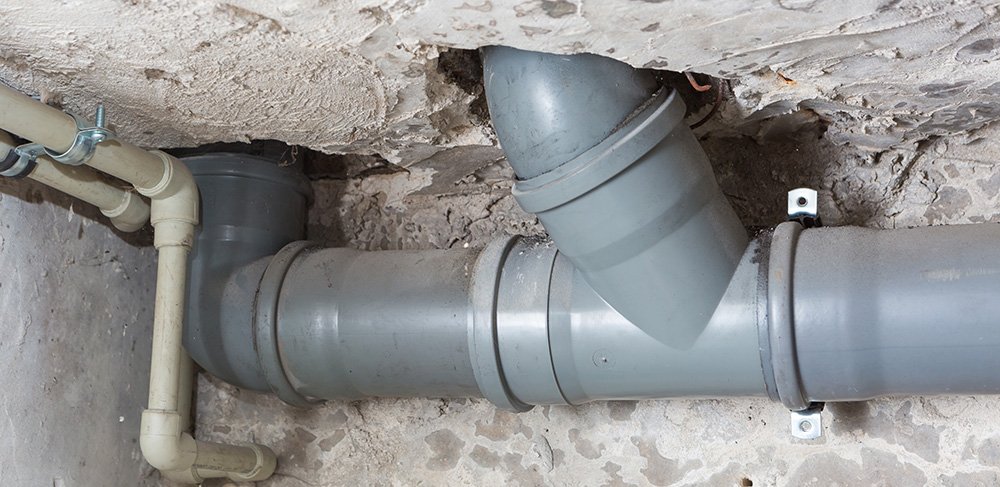
That rotten-egg smell coming from a drain, bathroom, or basement means sewer gas is getting into your home — and it’s telling you something in your plumbing isn’t doing its job. In most cases the cause is harmless and fixable in minutes (a dried-out drain trap), but the same smell can also point to a blocked vent or a damaged sewer line. Here’s how to track down the source, what you can fix yourself today, and when a Pittsburgh plumber needs to take over.
What Is Sewer Gas — and Is It Dangerous?
Sewer gas is a mix of gases from decomposing waste: mostly methane and hydrogen sulfide (that’s the rotten-egg smell), plus ammonia and carbon dioxide. In small, occasional doses from a dry trap, it’s a nuisance. But concentrated sewer gas can cause headaches and nausea, and methane displaces oxygen — so take it seriously if the smell is strong, persistent, or spreading through the house: ventilate the area, and if it’s overpowering, step out and call a professional rather than hunting for the source yourself.
The 6 Most Common Causes of Sewer Smell in a House
1. A dried-out P-trap
The number-one cause. Every drain has a U-shaped trap that holds a plug of water, blocking sewer gas from rising. In a guest bathroom, basement floor drain, or laundry sink that hasn’t been used in weeks, that water evaporates — and the barrier is gone. This is the first thing to check, and the easiest fix (below).
2. A blocked or damaged vent stack
Plumbing vents run up through your roof, letting sewer gases escape outside and keeping drains flowing smoothly. If a vent is blocked by leaves, a bird nest, or winter ice — common in Pittsburgh — pressure builds in the drain system and pushes gas through traps and into the house. Signs: gurgling drains plus the smell, especially after flushing.
3. A failed toilet wax ring
The wax seal between your toilet and the floor flange keeps both water and gas out. When it fails — after years of wear, a rocking toilet, or a remodel that disturbed it — sewer gas seeps out around the toilet base. If the smell is strongest right around a toilet, the wax ring is the prime suspect. (See our toilet repair guide for related toilet-troubleshooting steps.)
4. Biofilm and gunk in drains
Hair, soap, and grease coat the inside of drain pipes and decompose, producing odors that smell like sewer gas but come from the drain itself rather than the sewer line. Kitchen sinks, shower drains, and washing-machine standpipes are the usual offenders — the smell is worst right at the drain opening.
5. A cracked sewer line or missing cleanout cap
A crack in the main sewer line — from root intrusion, ground shifting, or age — can let gas escape into the soil and up through foundation cracks or basement drains. Likewise, a missing or loose cleanout cap (usually in the basement or yard) vents gas straight into the house. If the smell concentrates in the basement, this moves up the suspect list; see our page on sewer line repair in Pittsburgh.
6. Septic system problems
Homes on septic — common in Pittsburgh’s outer suburbs — can get sewer odors from a full tank, a failing drain field, or a dry trap on a rarely used fixture. If you’re on septic and the smell is widespread, check our septic tank services in Pittsburgh page before assuming it’s the plumbing.
Quick Fixes You Can Try Today
Pour water into every drain. Run each faucet for 30 seconds and pour a gallon of water into floor drains, basement drains, and any fixture you rarely use. If a dry trap was the problem, the smell should fade within an hour. Adding a tablespoon of mineral oil to rarely used floor drains slows future evaporation.
Check around the toilet base. Look for water stains or wobbling. A rocking toilet means the wax ring is compromised — that’s a reseal job, not a cleaning job.
Sniff-test the vent. If drains gurgle when you flush and the smell is house-wide, check the roof vent for visible blockage (only if you can do so safely — never go on a steep or icy roof). Clearing a leaf-clogged vent often solves both symptoms at once.
Clean the drain itself. For odor at a single sink or shower, scrub the drain opening and overflow with a brush, then flush with hot water. Enzyme-based drain cleaners can help with biofilm; skip caustic chemical cleaners, which can damage pipes. Stubborn buildup is what professional drain cleaning in Pittsburgh is for.
Tighten or replace cleanout caps. A missing cap on a basement or yard cleanout is a five-minute fix that eliminates a direct gas path into the house.
When to Call a Pittsburgh Plumber
Call a professional if:
- The smell is strong throughout the house or getting worse — ventilate and don’t ignore it
- Water is backing up along with the odor (possible main-line blockage)
- You see sewage, not just smell it
- Multiple drains gurgle and flush slowly (vent or main-line issue)
- The odor returns days after every fix you try (cracked line or failed seal)
Sewer gas in quantity is a health and safety issue, not a DIY project — and a blocked or broken main line can escalate to a backup fast. For anything beyond a dry trap or a dirty drain, reach our emergency plumbing in Pittsburgh rather than waiting to see if it clears on its own.
FAQ
Why does my house smell like sewer only sometimes?
Intermittent odors usually mean a trap that dries out between uses (guest bath, floor drain) or a vent that only blocks under certain conditions — ice in winter, or wind pushing gas down a short vent stack. Track which fixtures and weather correlate with the smell.
Is sewer gas smell dangerous?
Small amounts from a dry trap are mostly a nuisance, but sewer gas contains hydrogen sulfide and methane. Strong, persistent odors can cause headaches, nausea, and dizziness — ventilate the area and call a plumber if the smell is overpowering or spreading.
Can a clogged drain cause a sewer smell?
Yes — decomposing gunk (biofilm) inside a drain produces odors that smell like sewer gas. If the smell is strongest right at one drain opening and the trap has water in it, the drain itself is likely the source.
How do plumbers find the source of a sewer smell?
With a smoke test (non-toxic smoke pumped into the drain system reveals leaks as escaping smoke), camera inspection of the sewer line, and checking traps, vents, and toilet seals. It’s a fast diagnostic — most sources are identified in a single visit.
Have a Plumbing Problem?
From drain and sewer problems to water heaters, hidden leaks and septic services, get professional help from Man Made Services.