Tankless Water Heater Pittsburgh: Pros, Cons
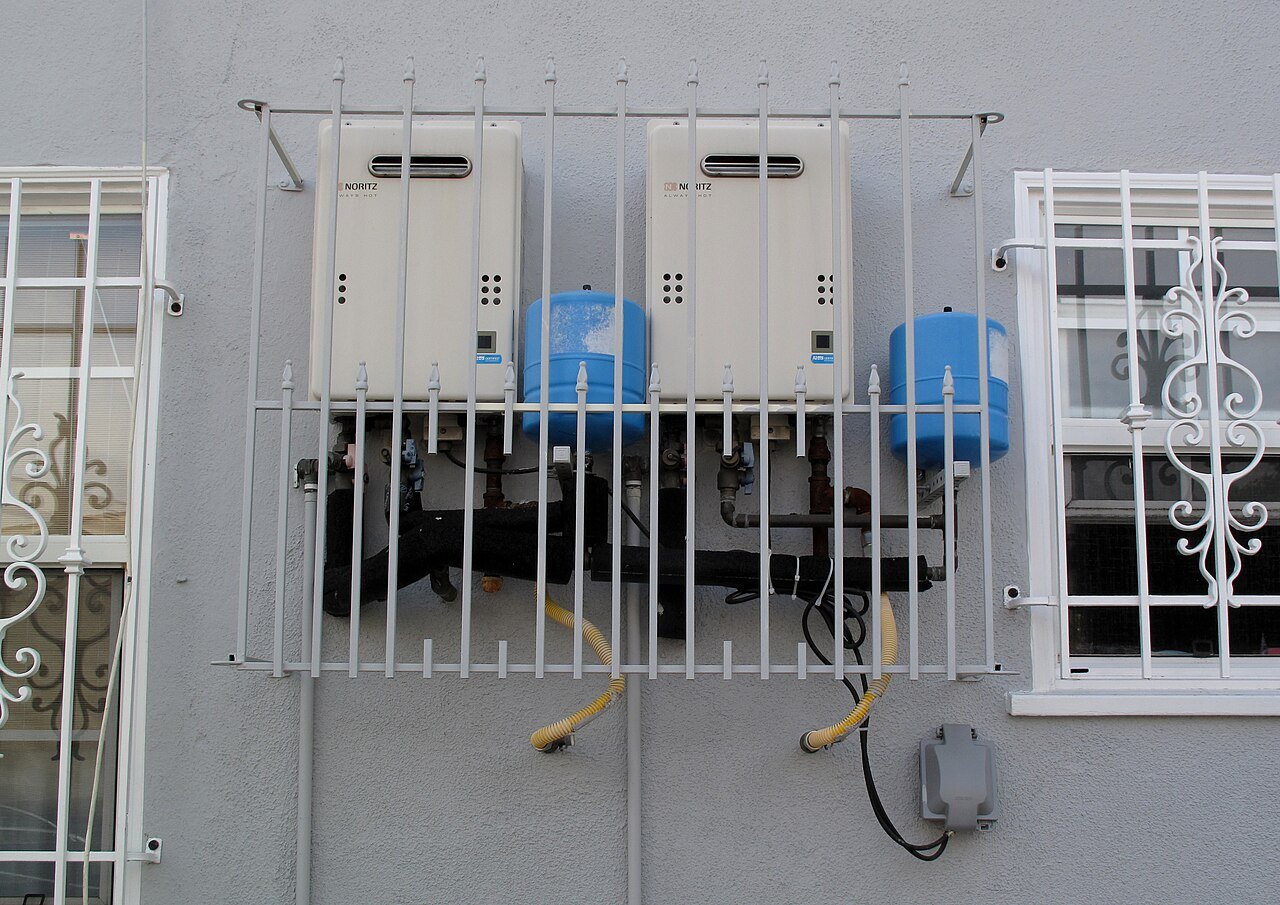
A tankless water heater heats water only when you turn on the tap — no big tank sitting in the basement keeping 40 or 50 gallons hot around the clock. For Pittsburgh homeowners facing a dying tank unit, going tankless is tempting: endless hot water, lower energy waste, and a unit the size of a suitcase instead of a refrigerator. But tankless isn’t automatically the right call for every home. Here’s the honest breakdown — pros, cons, and what installation actually takes in a Pittsburgh house.
How a Tankless Water Heater Actually Works
Turn on the hot tap and cold water flows through a heat exchanger — a high-powered gas burner or electric elements flash-heat it as it passes. Turn the tap off and the unit shuts down. There’s no stored hot water to run out, which is why manufacturers market “endless” hot water. The catch is flow rate: a unit can only heat so many gallons per minute. One shower? No problem. Two showers plus the dishwasher plus laundry all at once? That’s where sizing becomes everything.
The Real Pros for Pittsburgh Homes
1. Endless hot water (within the unit’s capacity)
Back-to-back showers, a deep soaking tub, teenagers — a properly sized tankless unit doesn’t run out. For larger households that regularly exhaust a 40-gallon tank, this alone can justify the switch.
2. Lower standby energy waste
A tank heater burns energy all day maintaining temperature, even when nobody’s home. Tankless only fires when there’s demand. In practice, households typically see meaningful — not miraculous — savings on the water-heating portion of their utility bills.
3. Much longer lifespan
Tank heaters last 8–12 years. Tankless units commonly last 15–20+ years with proper maintenance — roughly double. Over a long stay in one home, one tankless unit can outlive two tank replacements.
4. Space savings
Wall-mounted and roughly suitcase-sized. In Pittsburgh basements where floor space is precious — or in homes finishing the basement into living space — reclaiming the tank’s footprint matters.
5. No catastrophic tank failure
Tank heaters eventually rust through and can release dozens of gallons into the basement. Tankless units can’t fail that way — there’s no tank to rupture. (They can still develop leaks at connections, which is where our leak detection expertise comes in.)
The Honest Cons (Don’t Skip These)
1. Higher upfront cost
The unit itself costs more than a tank heater, and installation is more involved — venting upgrades, possibly a larger gas line, possibly electrical work. Total installed cost typically runs well above a straightforward tank swap. The payback comes over years, not months.
2. Sizing mistakes are punishing
An undersized unit means lukewarm showers when demand peaks — the dreaded “cold water sandwich.” Proper sizing requires calculating your household’s peak simultaneous demand and the temperature rise needed, which brings us to the Pittsburgh-specific problem below.
3. They need regular maintenance
Annual descaling (flushing mineral buildup from the heat exchanger) isn’t optional — especially here. Skip it and efficiency drops, then components fail early. Budget for yearly service.
4. Minimum flow quirks
Most units need a minimum flow rate to fire. A trickling faucet may not trigger the burner at all — mildly annoying with some low-flow fixtures.
Pittsburgh-Specific Considerations
Cold incoming water in winter
This is the big one. Tankless output depends on temperature rise — how far the unit must lift the incoming water temperature. In January and February, Pittsburgh’s incoming water is brutally cold, so the unit works much harder to reach shower temperature, and its effective flow rate drops. A unit sized generously for summer can feel undersized in February. Proper sizing must use winter groundwater temperatures, not annual averages.
Hard water and scale
Much of the Pittsburgh area has moderately hard water, and scale is the number-one killer of tankless heat exchangers. Annual descaling is mandatory here, not optional — and homes with very hard water should discuss a softener or scale-inhibition system as part of the installation.
Gas vs. electric
Gas tankless units deliver the high flow rates most households want, but need proper venting (often upgraded from what a tank heater used) and sometimes a larger gas line. Electric tankless avoids venting entirely but demands serious electrical capacity — often multiple dedicated high-amperage circuits — which many older Pittsburgh homes’ panels can’t spare without an upgrade. Your home’s existing infrastructure heavily influences which type makes sense.
What Professional Installation Involves
A tankless swap is more than hanging a box on the wall. Expect: correct sizing from your household’s real peak demand and winter temperature rise; venting sized and routed to code (gas units); gas line evaluation and possible upsizing; condensate drainage for high-efficiency condensing units; water treatment discussion for hard-water homes; and permits pulled with the municipality. Ask any installer to walk through each of these before work starts — it’s the difference between a unit that delights for 20 years and one that disappoints in the first winter. That’s the standard our water heater services are held to, and Man Made Services serves homeowners across the Pittsburgh area — reach out through our contact page to discuss your home.
Tank vs. Tankless: A Quick Decision Framework
- Go tankless if: you regularly run out of hot water, you’re staying in the home long-term, you have space constraints, your gas/electrical infrastructure supports it, and you’ll commit to annual maintenance.
- Stick with a tank if: your hot water needs are modest, budget is tight now, your home’s infrastructure would need expensive upgrades for tankless, or you know annual maintenance won’t happen.
- Either way: don’t decide during a no-hot-water emergency if you can avoid it. A failing tank in October is the perfect time to evaluate — not a flooded basement in February. Our emergency plumbing services are there when it can’t wait, but planning beats panicking.
Frequently Asked Questions
Do tankless water heaters work well in cold climates like Pittsburgh?
Yes, when sized correctly — and “correctly” means sized for winter’s cold incoming water, not annual averages. An undersized unit will struggle in January and February. Proper sizing for peak winter conditions is the single most important factor.
How long do tankless water heaters last?
Typically 15–20+ years with proper maintenance — roughly double a conventional tank heater’s 8–12 years. The key qualifier is maintenance: annual descaling is essential, especially in areas with hard water like Pittsburgh.
Are tankless water heaters worth the higher upfront cost?
For households that stay in their home long-term, run out of hot water regularly, and commit to annual maintenance — often yes, through energy savings and avoiding a second tank replacement. For short stays or tight budgets, a quality tank heater is the pragmatic choice.
Can I replace my tank water heater with a tankless unit myself?
Not safely or legally in most cases. Tankless installation involves gas lines, venting, electrical work, and permits — all of which require licensed professionals. DIY installation also typically voids the manufacturer’s warranty.
Have a Plumbing Problem?
From drain and sewer problems to water heaters, hidden leaks and septic services, get professional help from Man Made Services.