Water Heater Leaking in Pittsburgh? What to Do Before the Plumber Arrives
A puddle under your water heater is one of those homeowner moments that spikes the heart rate — and rightly so. A leaking tank can go from a damp spot to dozens of gallons on your basement floor fast. Before panic sets in: not every water heater leak means a dead unit. Here’s how to figure out where the leak is coming from, what’s safe to handle yourself, and when it’s time to call for water heater repair pittsburgh.
Water Heater Repair Pittsburgh: Diagnosing the Leak Location
Where the water appears tells you almost everything. Grab a flashlight and some dry paper towels, wipe suspect areas dry, then watch where moisture returns.
Leak from the top (pipes, valves, or fittings)
Water pooling on top of the unit or dripping down its sides from above usually comes from the cold-water inlet, hot-water outlet, or the temperature-and-pressure (T&P) relief valve. Loose fittings, corroded pipe connections, and a weeping T&P valve are all repairable — this is the best-case scenario and exactly what our water heater services handle routinely.
Leak from the drain valve (bottom side)
The small spigot near the base is the drain valve, used for flushing sediment. If it’s dripping, it may just need tightening or a replacement valve — a cheap, quick fix. Sediment buildup is Pittsburgh’s quiet water-heater killer (our water leaves mineral deposits), so if you’ve never flushed the tank, mention it when you call.
Leak from the tank body itself (bottom or seams)
Water seeping from the bottom of the tank or from its seams with no fitting nearby is the bad-news scenario: the steel tank has corroded through from the inside. A tank-body leak cannot be repaired — the unit needs replacement. If your heater is 10+ years old (check the serial number: most manufacturers encode the date in the first characters), replacement was likely on the horizon anyway.
Condensation mistaken for a leak
In humid Pittsburgh summers, a cold-water-fed tank in a damp basement can sweat enough to look like a leak. If the “leak” is a light, even film of moisture with no active drip, wipe it dry and check back in a few hours before assuming the worst.
What’s Safe to Do Yourself (and What Isn’t)
Safe: shutting off the cold-water supply valve above the heater, turning the thermostat down or to “pilot”/”vacation,” placing a bucket or towels under a slow drip, and — for electric units — switching off the heater’s breaker if water is pooling around electrical components. Draining a few gallons from the drain valve into a bucket is also fine if you know the drill.
Not safe: removing the T&P relief valve or capping it (it’s the device that prevents the tank from over-pressurizing — never defeat it), working on gas lines or the gas control valve yourself, or attempting to patch a leaking tank body with sealant. And never ignore a strong rotten-egg smell near a gas water heater — leave the house and call your gas utility first, then a plumber.
If the leak’s source isn’t obvious, that’s what professional leak detection is for — a water heater repair pittsburgh technician can distinguish a fitting leak from tank failure in minutes, saving you from replacing a unit that only needed a $20 valve.
Repair or Replace? The Decision Framework
Use the 50% rule: if the repair costs more than half the price of a new unit and the heater is past 8–10 years old, replacement usually wins. A leaking T&P valve or drain valve on a 5-year-old heater? Repair it. A tank-body leak on a 12-year-old heater? Replace it — and consider it an opportunity: modern high-efficiency tanks use noticeably less energy than decade-old units, which matters with today’s utility rates.
Also factor in risk. A slow, repairable fitting drip you monitor is one thing; a tank that’s already weeping from its seams can rupture without much more warning, and 40–50 gallons of hot water in a finished basement is a five-figure problem. When in doubt, get a pro’s eyes on it quickly through our contact page — or emergency plumbing line if water is actively spreading. Man Made Services will tell you honestly whether your heater is worth saving.
Frequently Asked Questions
Can a leaking water heater be repaired, or must it be replaced?
It depends on the source. Leaks from fittings, valves, or pipe connections are repairable. A leak from the tank body itself — seeping from the bottom or seams — means internal corrosion and the tank must be replaced. A technician can tell the difference quickly.
How long does a water heater last in Pittsburgh?
Conventional tank water heaters typically last 8–12 years. Pittsburgh’s moderately hard water accelerates sediment buildup, which shortens life if the tank is never flushed. Annual flushing and anode-rod checks can push a unit toward the upper end of that range.
Is a leaking water heater dangerous?
It can be. Water near electrical components is a shock risk (switch off the breaker), a failed T&P valve can allow dangerous pressure buildup (never cap or remove it), and gas units with leaks need professional handling. A slow drip from a drain valve is low-risk; an actively spreading pool is urgent.
How much does water heater repair cost in Pittsburgh?
Minor repairs like a drain valve or T&P valve replacement are typically on the lower end; element or thermostat work costs more; full replacement is the biggest ticket. Any honest quote depends on your specific unit, so be wary of flat prices quoted sight-unseen over the phone.
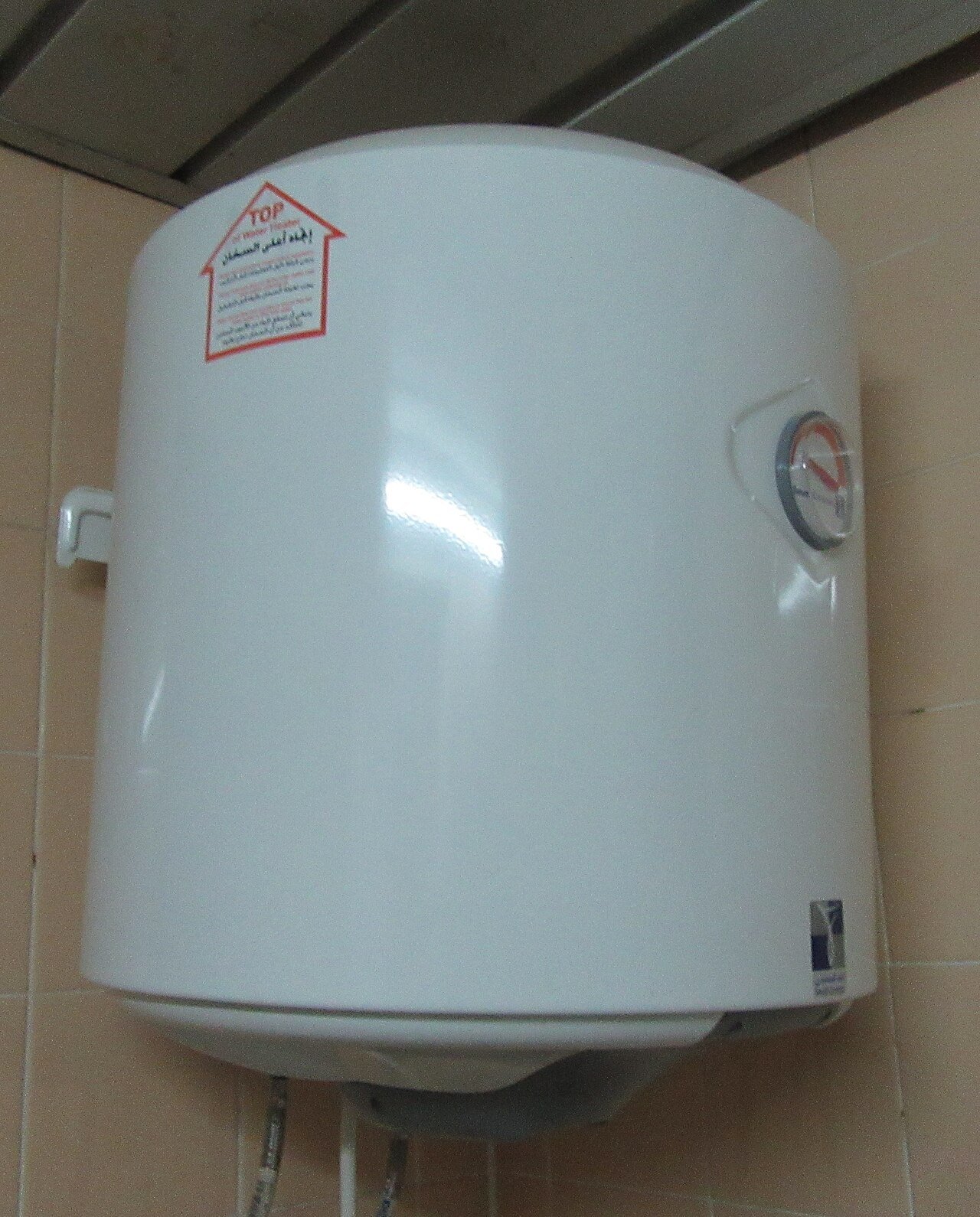
Featured image: Wikimedia Commons, photo by Kskhh (CC BY-SA 4.0).
Have a Plumbing Problem?
From drain and sewer problems to water heaters, hidden leaks and septic services, get professional help from Man Made Services.