Water Heater Maintenance Before Winter in Pittsburgh: Fall Service Checklist
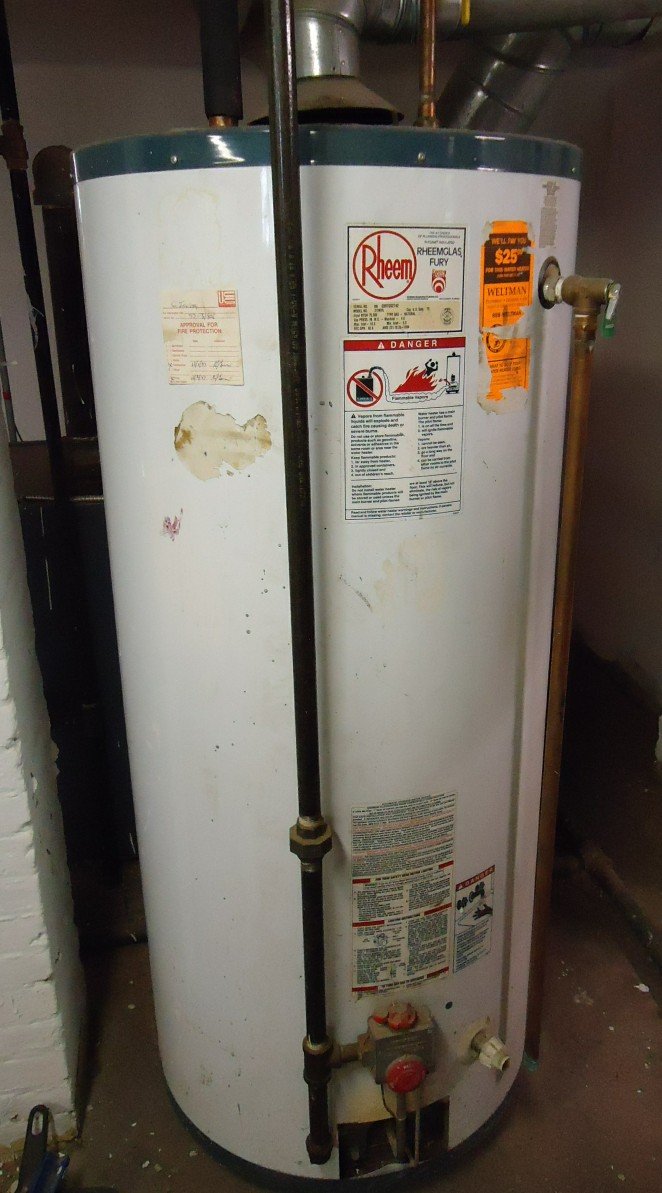
Winter is when Pittsburgh water heaters work hardest. Cold groundwater, longer hot showers, and holiday guests all push demand up at exactly the time of year when a neglected heater is most likely to fail. A fall service visit for water heater maintenance before winter in Pittsburgh is how you catch small problems while they are still cheap — before a cold morning with no hot water turns into an emergency call.
Why Fall Is the Right Time
A water heater that coped fine all summer can struggle in January. Incoming water arrives colder, so the heater runs longer cycles to reach the same temperature. Sediment that built up over the year insulates the bottom of a tank heater, forcing the burner or elements to work harder and noisier. A fall check clears that buildup, confirms the safety controls work, and leaves the unit ready for its busiest months.
What a Fall Water Heater Service Visit Actually Checks
1. Flushing sediment. The technician drains a portion of the tank to remove sediment. In Pittsburgh’s moderately hard water, annual flushing matters — sediment causes rumbling, reduces efficiency, and shortens tank life. If the drain valve is clogged with scale, that itself is a finding worth knowing about now.
2. Anode rod condition. The anode rod sacrifices itself to protect the steel tank from rust. A rod that is mostly eaten away should be replaced; a tank with no working anode rod is a tank rusting from the inside. This is a quick check with a big payoff.
3. Temperature and pressure (TPR) valve. The TPR valve is the heater’s main safety device. It should be tested to confirm it opens and reseats properly. A stuck or dripping TPR valve is not a “watch it” item — it needs attention before winter.
4. Thermostat and temperature setting. Most households are comfortable at 120°F. Higher settings waste energy and raise scald risk, especially with children or older adults in the home. A fall visit confirms the thermostat is accurate, not just set correctly.
5. Venting and gas connections (gas heaters). The flue should be clear, properly connected, and drafting correctly. Backdrafting is a carbon-monoxide risk, and winter is when a blocked or poorly drafting vent is most dangerous because the house is sealed up tight.
6. Leaks, corrosion, and age. The technician checks fittings, the base, and the drain pan for slow leaks and rust. A heater past 10 years old (tank) deserves an honest conversation about replacement planning — a planned replacement in fall beats an emergency replacement in a January cold snap.
Signs Your Water Heater Needs Attention Now
- Rumbling, popping, or banging sounds during heating
- Rusty or discoloured hot water
- Hot water running out faster than it used to
- Water pooling near the base or a damp drain pan
- Inconsistent temperature — hot, then lukewarm, then hot again
Any one of these is a reason to book service before winter demand peaks, not after. For a unit that has already failed, an emergency plumber in Pittsburgh can restore hot water, but a fall visit is how you avoid that call in the first place.
What Homeowners Can Do Themselves
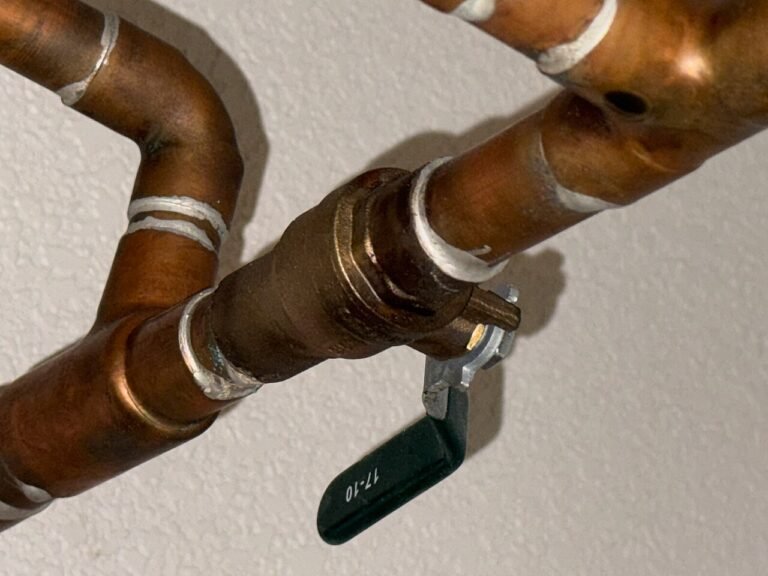
You do not need to wait for a technician for the basics: check the area around the heater is clear, look for drips or rust stains once a month, and know where the heater’s shut-off valves are. Do not test the TPR valve yourself if you are unsure how it reseats — a valve that starts dripping after a home test still needs a professional. And never ignore a gas smell near the heater: leave the area and call your gas utility or an emergency plumber.
FAQ
How often should a water heater be serviced?
Once a year is the standard recommendation for tank heaters, and fall is the ideal time because it precedes peak winter demand. Tankless units need annual descaling, which is especially important in harder-water areas.
Does flushing really make a difference?
Yes. Sediment acts as insulation between the burner and the water, so the heater burns more fuel for the same hot water and wears out faster. Annual flushing is the cheapest life-extending step available.
What temperature should I set my water heater to?
120°F suits most households — hot enough for comfortable showers and dishwashing, low enough to limit scald risk and standby energy loss.
When is replacement smarter than repair?
When the tank itself is leaking or rusting through, or when the unit is past its expected life and repair costs are climbing. A planned replacement lets you compare options calmly instead of choosing under pressure.
A one-hour fall service visit is the lowest-drama way to head into a Pittsburgh winter with reliable hot water. Book water heater repair in Pittsburgh service before the cold-weather rush, and your heater will be ready when demand peaks.
Have a Plumbing Problem?
From drain and sewer problems to water heaters, hidden leaks and septic services, get professional help from Man Made Services.