Frozen Pipe vs Burst Pipe in Pittsburgh: What to Do in the First 10 Minutes
Every Pittsburgh winter, the same confusion costs homeowners money: a frozen pipe and a burst pipe are not the same problem, and they do not need the same response. Knowing the difference for frozen pipe vs burst pipe in Pittsburgh — and knowing what to do in the first 10 minutes — is what turns a scary morning into a manageable repair instead of a flooded basement. This is preparation, not panic: with mild weather forecast through early November, now is the time to learn the steps, before the first deep freeze arrives.
Frozen Pipe: What It Looks Like
A frozen pipe has ice blocking the water inside, but the pipe itself is still intact. The signs are:
- A faucet that produces only a trickle, or nothing at all, while other faucets work fine
- Frost visible on an exposed pipe section
- A strange smell from a faucet (ice can push odors back through the line)
- No water damage anywhere — yet
A frozen pipe is urgent because it can become a burst pipe, but it is not yet an emergency flood. The ice expands as it forms, and the pressure builds between the ice blockage and a closed faucet. That pressure — not the ice itself — is what splits the pipe.
Burst Pipe: What It Looks Like
A burst pipe has already split, and water is escaping. The signs are unmistakable:
- Water pooling, dripping, or spraying from a pipe, wall, or ceiling
- A sudden drop in water pressure throughout the house
- Sounds of running water when no tap is open
- Water stains spreading on a ceiling or wall
A burst pipe is a genuine emergency. Every minute of running water adds to the damage, so the first 10 minutes matter more than anything else you do that day.
The First 10 Minutes: Frozen Pipe
- Open the affected faucet slightly. This relieves pressure and gives melting water somewhere to go.
- Find the frozen section. Check the coldest spots first: exterior walls, garages, crawl spaces, and unheated basements — the places Pittsburgh pipes freeze first in older homes.
- Thaw gently. Use a hair dryer, a heating pad, or warm towels, working from the faucet end back toward the blockage. Never use an open flame — a blowtorch on a frozen pipe is a fire risk and can crack the pipe.
- Do not force it. If you cannot find the frozen section, or the pipe is inside a wall, stop and call a professional rather than heating a wall blindly.
- Check for leaks as it thaws. A pipe can crack during freezing and only reveal the split as the ice melts. Watch the thawed section closely.
The First 10 Minutes: Burst Pipe
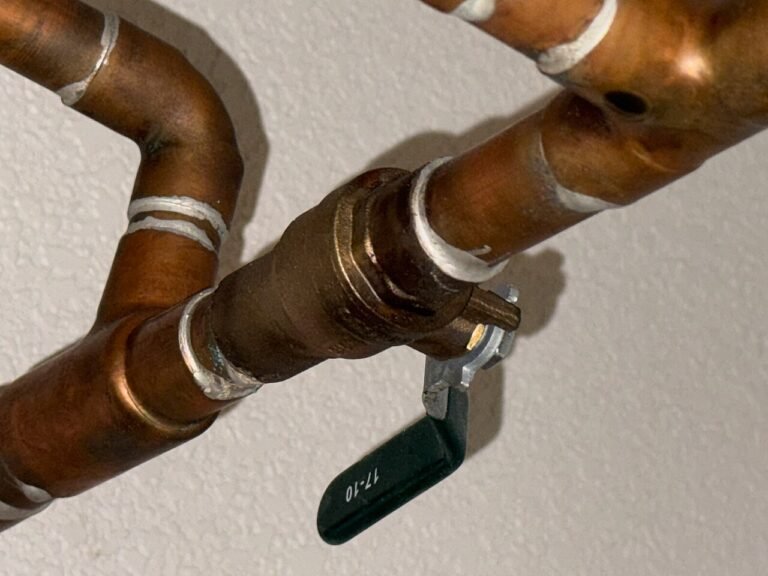
- Shut off the main water supply immediately. Know where your main shut-off valve is before winter — finding it during a flood wastes the minutes that matter most.
- Open faucets to drain the system. This reduces pressure and limits how much water keeps escaping.
- Turn off electricity in affected areas if water is near outlets or panels. Do not step into standing water near electrical equipment.
- Move valuables and contain the water with towels or a wet vacuum if it is safe to do so.
- Call an emergency plumber. A burst pipe needs professional repair, and the sooner the plumber arrives, the less drying and restoration work follows.
For both situations, if you are unsure at any point, calling an emergency plumber in Pittsburgh early is cheaper than guessing late.
How to Prevent Either Problem
Prevention is unglamorous and effective: insulate exposed pipes in garages, crawl spaces, and exterior walls; seal drafts near pipes; keep the thermostat steady on very cold nights rather than dropping it overnight; open cabinet doors under sinks on exterior walls so warm air reaches the pipes; and disconnect outdoor hoses before the first hard freeze. Homes with a history of freezing should also know their shut-off location and test the valve once a year — a valve that will not turn in an emergency is no valve at all.
FAQ
Can a frozen pipe thaw on its own?
Sometimes, as temperatures rise — but waiting is risky. Pressure builds behind the ice, and a pipe that thaws on its own may already have cracked. Controlled thawing plus a leak check is always safer.
How long does it take to thaw a frozen pipe?
Typically 30–60 minutes with a hair dryer for an accessible section. Pipes inside walls take longer and may need a professional.
Should I call a plumber for a frozen pipe?
Yes if you cannot locate the freeze, if thawing does not restore flow, or if you see any leak as it thaws. A plumber can also check whether the pipe was damaged by the freeze.
Does homeowners insurance cover burst pipes?
Sudden burst-pipe damage is often covered, but gradual leaks and damage from neglected maintenance may not be. Document the damage with photos and check your policy — and fix the cause, not just the pipe.
Frozen and burst pipes sound alike, but they ask different things of you in the first 10 minutes: thaw gently for one, shut the water off fast for the other. Learn both now, while the weather is still mild, and Pittsburgh’s first deep freeze will find you prepared.
Have a Plumbing Problem?
From drain and sewer problems to water heaters, hidden leaks and septic services, get professional help from Man Made Services.