24-Hour Plumber in Pittsburgh: What to Expect When You Call After Hours
When a pipe bursts at 2 a.m. in Pittsburgh, a 24-hour plumber means a licensed technician actually comes to your home — not just an answering service taking a message for the morning. But not every company that advertises “24/7” delivers the same thing. Here’s what genuine round-the-clock emergency plumbing includes: how dispatch works, typical arrival windows, what the technician can fix on the spot, and how after-hours pricing works.
What “24-Hour Plumber” Actually Means (and What It Doesn’t)
The phrase gets thrown around a lot, so here’s the distinction that matters. A true 24-hour plumbing service has technicians on call around the clock and dispatches them to your door at night, on weekends, and on holidays. What some companies actually offer is 24-hour phone answering — someone takes your details at 3 a.m. and a plumber calls you back when the office opens. Both are legitimate business models, but only the first one helps when water is pouring through your ceiling right now.
When you’re vetting a company, ask the direct question: “If I call at 2 a.m. with a burst pipe, does a plumber come out tonight?” The answer tells you everything. Our emergency plumbing services are built around the first model — real dispatch, real arrival, whatever the hour.
What Counts as a Middle-of-the-Night Emergency
Not every plumbing problem justifies a 2 a.m. callout, and a good dispatcher will tell you honestly when something can wait until morning (saving you the after-hours premium). Call immediately for:
- A burst pipe or major leak — water actively damaging your home. Every minute counts.
- Sewage backing up into tubs, toilets, or basement drains — a health hazard, not a morning problem.
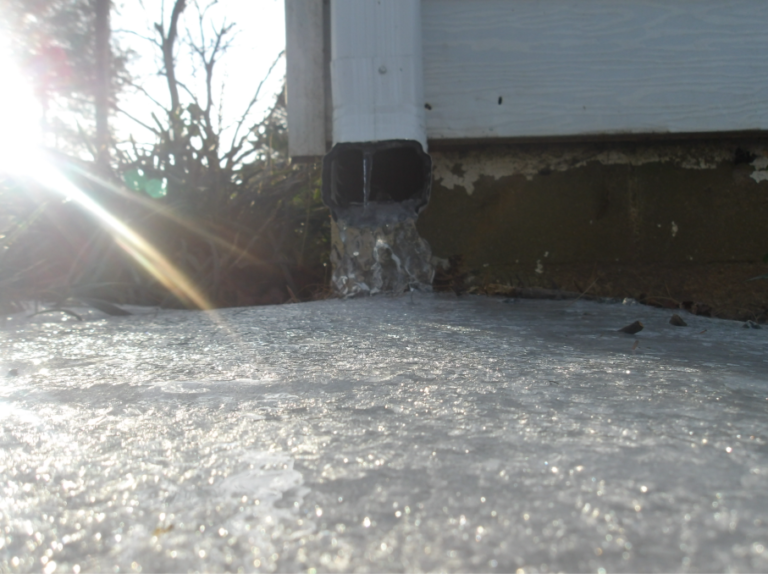
- No water at all — especially in winter, when it can signal a frozen or burst main.
- A leaking water heater that’s flooding the area around it — tank-body leaks escalate fast.
- Gas smell near gas-fired equipment — leave the house first, then call emergency services and your plumber.
A dripping faucet, a slow drain, or a running toilet is annoying but can almost always wait for business hours. When in doubt, describe the situation to the dispatcher — that’s literally what they’re there for.
How After-Hours Dispatch Works: What Happens When You Call
Here’s the play-by-play of a genuine 24-hour operation:
1. A real person answers (or calls back within minutes)
You describe what’s happening: where the water is, how fast it’s coming, what you’ve already done (like shutting off the main valve). The dispatcher triages — true emergencies jump the queue over “my kitchen faucet drips.”
2. The on-call technician is dispatched
The on-call plumber gets your address and details and heads out with a stocked truck. In the Pittsburgh metro area, arrival typically runs 45 minutes to a couple of hours depending on where you are, road conditions, and how many calls are ahead of you — winter freeze nights are the busiest of the year.
3. You get practical instructions while you wait
A good dispatcher doesn’t just say “we’re on our way.” They’ll walk you through shutting off the main valve, killing power to the affected area, and containing the water — the same first-response steps that limit damage more than anything else.
What the Technician Can Fix on the Spot
Emergency trucks are rolling workshops. On a middle-of-the-night call, a technician can typically: shut off and cap a burst pipe section, replace failed supply lines and valves, clear a fully blocked main drain, stop an actively leaking fixture, and make any repair that makes the home safe and dry until a permanent fix. What sometimes has to wait for daylight: major
re piping, sewer lateral replacement, and water heater swaps that need parts runs or permit-office hours. The goal of the night visit is always the same — stop the damage, restore safety, stabilize the situation.
What After-Hours Plumbing Costs (and Why)
Let’s be straightforward: emergency calls cost more than scheduled daytime visits. You’re paying for a technician to be awake, available, and rolling at 3 a.m. — plus the reality that parts suppliers are closed and the job can’t be batched with others. Most companies structure it as a higher service/dispatch fee, higher hourly rates for nights/weekends/holidays, or both.
What you should expect regardless: the pricing structure explained before the technician rolls, and a clear explanation of the work and cost before wrenches turn. “We’ll figure out the price when we get there” is a red flag. Ask for the after-hours rate structure on the initial call — a reputable company states it plainly.
How to Prepare Before the Plumber Arrives
What you do in the first ten minutes matters more than anything the plumber does later:
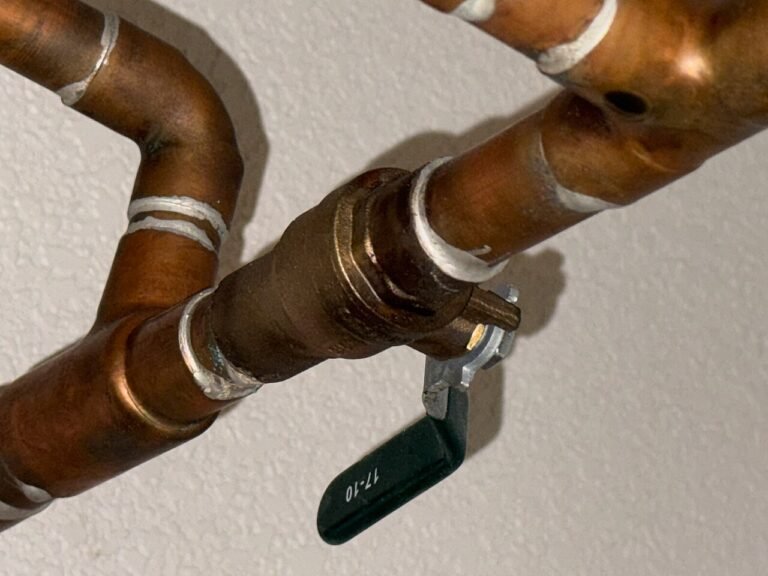
- Shut off the main water valve — usually in the basement near the meter. This single step stops most emergencies from getting worse.
- Kill power to any area where water meets electricity — outlets, panels, appliances.
- Contain what you can — towels, buckets, moving valuables and furniture out of the water’s path.
- Note the details — where the problem is, when it started, what the pipe or fixture looks like. Photos help the technician arrive with the right parts.
- Clear a path — move cars from the driveway, unlock gates, clear the basement stairs. Night arrivals go faster when the tech isn’t waiting on access.
If you’re dealing with a suspected hidden leak rather than an obvious burst, our leak detection service can pinpoint it — including as a follow-up after the emergency is stabilized.
Frequently Asked Questions
Is a 24-hour plumber more expensive than a regular plumber?
Yes, after-hours calls typically carry a higher dispatch fee and higher hourly rates than scheduled daytime visits — you’re paying for immediate availability at night, on weekends, or on holidays. The company should explain its after-hours pricing before dispatching.
How fast can a 24-hour plumber get to me in Pittsburgh?
It depends on your location, road conditions, and call volume — winter freeze nights are the busiest. A realistic expectation in the metro area is roughly 45 minutes to a couple of hours. The dispatcher should give you an honest ETA when you call.
What should I do while waiting for the emergency plumber?
Shut off your main water valve, turn off electricity to wet areas, contain the water with towels and buckets, move valuables out of harm’s way, and clear access for the technician. Don’t turn the water back on to “test” anything.
Do I really need a plumber at night, or can it wait until morning?
If water is actively damaging your home, sewage is backing up, or you have no water in freezing weather — don’t wait. For drips, slow drains, or running toilets, describe the situation to the dispatcher; an honest company will tell you when morning is fine and save you the after-hours premium.
Have a Plumbing Problem?
From drain and sewer problems to water heaters, hidden leaks and septic services, get professional help from Man Made Services.