Tree Roots in Your Sewer Line in Pittsburgh: Signs, Removal & Prevention
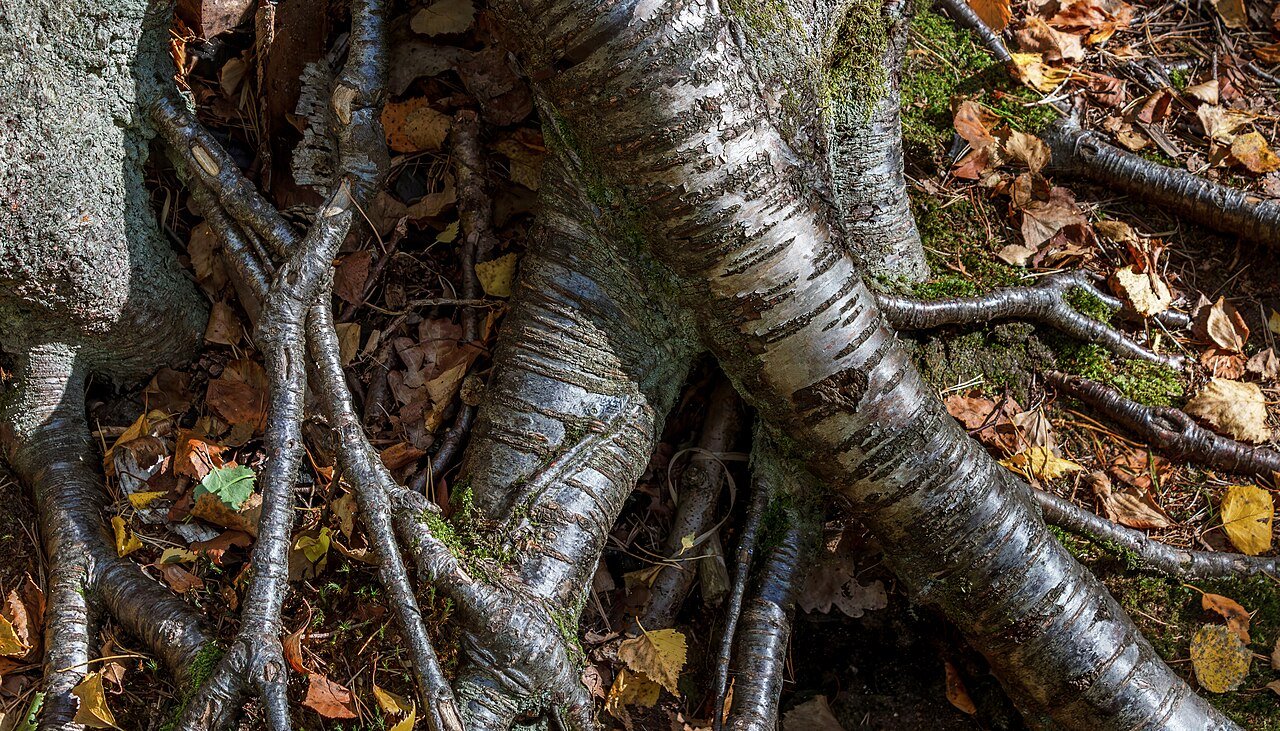
Pittsburgh has some of the oldest housing in the country, a lot of mature street trees, and miles of old clay and cast-iron sewer laterals — a combination that makes tree-root intrusion one of the most common sewer problems in the city. If your drains have started slowing down for no obvious reason, tree roots sewer line Pittsburgh plumbers find on camera inspections are a likely culprit. Here is how roots get in, the signs to watch for, how they are removed, and what actually stops them coming back.
Why Roots Target Sewer Lines
A tree root does not punch through a healthy pipe. It finds water vapour escaping through a tiny crack, a loose joint, or a deteriorated seal — exactly the kind of small defect old clay tile pipes develop as the ground shifts over decades. The root grows toward that moisture, slips through the opening as a hair-thin strand, and then thrives inside the pipe, where it has a constant supply of water and nutrients. Inside, it branches and thickens, catching paper, grease, and waste until the pipe is partly or fully blocked.
Clay tile laterals, common in Pittsburgh homes built before the 1970s, are the most vulnerable because they are jointed every few feet — every joint is a potential entry point. Cast iron corrodes and cracks with age, while modern PVC laterals, with glued joints, resist roots far better — which is why a full lateral replacement usually ends the problem permanently.
Tree Roots Sewer Line Pittsburgh: 6 Warning Signs
- Slow drains in several fixtures at once. One slow sink is usually a local clog. Toilets, tubs, and sinks all draining slowly together points to a problem in the main lateral — roots are a prime suspect.
- Gurgling toilets or drains. Air trapped behind a partial root blockage escapes as gurgling, especially when a washing machine discharges or a toilet flushes.
- Recurring clogs that keep coming back. If the same drain clogs every few months despite clearing, something is catching debris inside the pipe. Roots do exactly that.
- Sewage smells in the yard or basement. A root-damaged joint can leak, and the smell often shows up near the lateral’s path to the street, or as a damp patch in the yard.
- A suspiciously lush patch of lawn. Grass over a leaking lateral gets extra water and nutrients and can grow greener and faster than the rest of the yard.
- A full sewage backup. This is the end stage: the root mass finally closes the pipe, and wastewater has nowhere to go but back into the lowest drain in the house. If sewage is backing up, stop using water and call for emergency plumbing services in Pittsburgh immediately.
How a Camera Inspection Finds Roots
Guessing at a root problem wastes money, because the fix depends on where the roots are and how bad the damage is. A sewer camera inspection — a waterproof camera pushed through the lateral from a cleanout — shows the exact location, the extent of the intrusion, and whether the pipe itself is cracked, offset, or collapsed. That distinction matters: roots in an otherwise sound pipe are a maintenance problem; roots in a collapsed pipe are a repair problem. If you have had two root-related clogs, a camera inspection pays for itself by telling you which one you have, and it gives you a video record you can keep for future comparisons.
Removal: Cutting, Jetting, and What Each Does
The standard first step is mechanical cutting: a drain machine with a root-cutting head spins through the pipe and shreds the root mass. It restores flow quickly and is the cheapest option, but it does not remove the roots outside the pipe, so regrowth is expected — typically within 12–24 months for an aggressive tree. Hydro jetting, which blasts the pipe walls with high-pressure water, cleans more thoroughly than cutting alone, clears the fine root hairs a cutter leaves behind, and lets a technician check whether the pipe wall itself is damaged once the roots are out. Chemical root killers can slow regrowth between visits, but they are a maintenance aid, not a cure — and never pour them into a septic system without advice, since they can harm the bacteria a septic tank depends on. If your home is on septic, get septic services in Pittsburgh advice first.
The Permanent Fixes: Repair or Replacement
When a camera shows a cracked, offset, or collapsed section, cutting roots on a schedule just postpones the inevitable. A short damaged section can be spot-repaired; a longer run of failing clay pipe may be replaced, often by trenchless methods (pipe bursting or lining) that avoid digging up the whole yard. Trenchless replacement costs more upfront than another cutting visit, but it ends the cycle. Get a sewer line repair assessment with the camera video in hand, and compare the lifetime cost of repeated clearing against a one-time fix.
Prevention: What Actually Works
You cannot stop a tree drinking, but you can make your lateral a harder target. Fix the entry points: repair cracked joints and, if the lateral is old clay tile, plan for replacement rather than endless clearing. Plant no large tree within 10 feet of a sewer line, and choose small-rooted species near it. Have the lateral camera-inspected every couple of years if you have a known root problem, and schedule a preventive cleaning before the roots fully block the pipe again — late autumn, while Pittsburgh’s weather is still mild, is a sensible window. A slow drain caught in November is a routine visit; the same drain ignored until it backs up in January is an emergency.
FAQ
Can I remove sewer roots myself?
A homeowner can clear a small local clog, but root masses in a main lateral need professional cutting equipment and, crucially, a camera to confirm the pipe is not damaged. DIY chemical treatments alone rarely clear an established root blockage.
How often do roots grow back after cutting?
Typically 12–24 months for a vigorous tree near a clay lateral, faster if the pipe has many entry points. A camera inspection after clearing tells you whether regrowth is likely to be fast or slow.
Should I cut down the tree?
Usually not as a first step — removing a mature tree is expensive, may need permits, and the roots already in the pipe still have to be dealt with. Tree removal makes sense only when the tree is damaging the pipe repeatedly and no repair is practical, or when the tree itself is hazardous.
Roots do not announce themselves politely — they slow your drains a little, then a little more, until one day the lowest drain in the house becomes the problem. If several fixtures are slow, clogs keep returning, or you can smell sewage where you should not, get a camera inspection before the next backup decides the timing for you. And if sewage is already backing up, stop running water and call for emergency plumbing services in Pittsburgh now — that is not a wait-until-morning problem. For recurring drain trouble that is not yet an emergency, drain cleaning services with a camera check will tell you whether roots are the cause and what will actually fix them.
Have a Plumbing Problem?
From drain and sewer problems to water heaters, hidden leaks and septic services, get professional help from Man Made Services.