Water Heater Expansion Tank in Pittsburgh: Purpose, Failure Signs & Replacement Cost
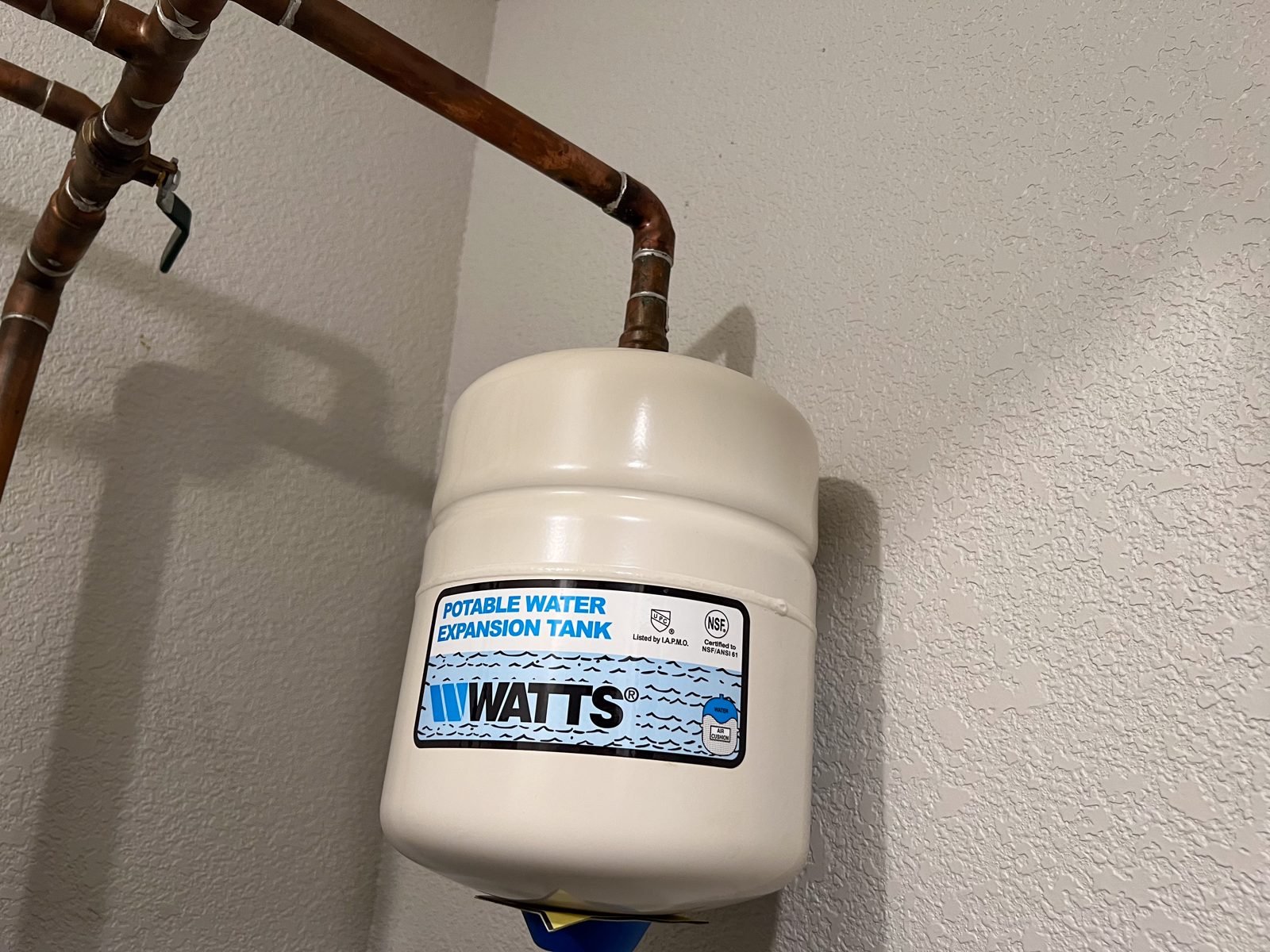
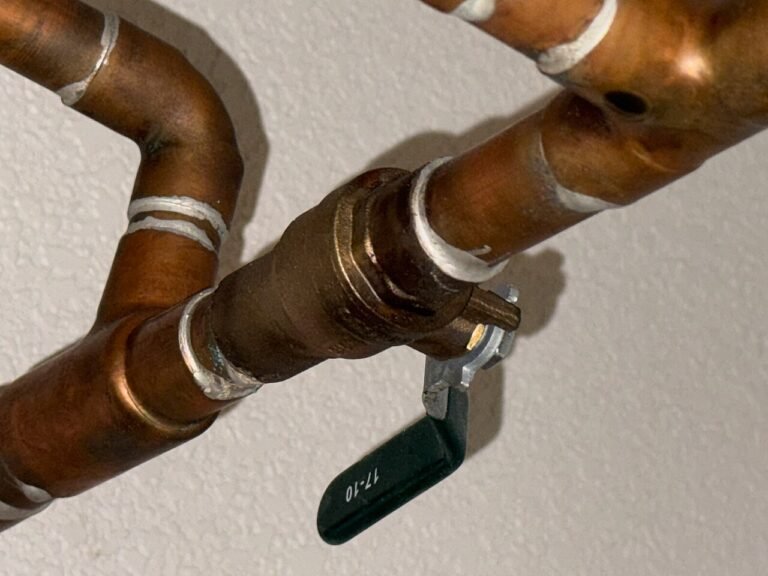
A water heater expansion tank Pittsburgh plumbers fit above or beside a tank water heater is a small, often overlooked vessel that protects your whole hot-water system from pressure damage. When water heats up, it expands. In an older, open plumbing system that extra volume could push back into the city main. In most modern Pittsburgh homes, a pressure-reducing valve or a check valve closes the system off — so the expanding water has nowhere to go, and pressure inside your pipes climbs with every heating cycle. The expansion tank gives that water somewhere safe to go.
Water Heater Expansion Tank Pittsburgh: How It Works
Inside the tank is a rubber bladder with air on one side and water on the other. As heated water expands, it pushes into the tank and compresses the air cushion instead of forcing pressure up through your pipes. When a tap opens and hot water leaves the heater, the air pushes the stored water back out. The tank does not heat water, store hot water for use, or replace your water heater — it is purely a pressure buffer, and it only works while the bladder and its air charge are intact.
Most homes need an expansion tank when they have a closed system. The usual triggers are a pressure-reducing valve on the main line, a check valve, a backflow device, or a water meter with a built-in check valve. If your home has any of these and a tank water heater without an expansion tank, pressure spikes are not a theory — they are a daily event, and they wear out everything downstream: supply lines, faucet cartridges, toilet fill valves, and the water heater itself.
5 Signs Your Expansion Tank Has Failed
1. The temperature-and-pressure relief valve keeps dripping. The relief valve on your water heater is a safety device, not a pressure regulator. If it weeps or drips after heating cycles, and the heater is not overheating, a waterlogged expansion tank is a prime suspect. Do not cap or plug a dripping relief valve — find the pressure problem behind it.
2. The tank sounds solid when you tap it. A healthy tank sounds hollow on the air side and dull where water sits. A tank that thuds solidly top to bottom is usually waterlogged: the bladder has failed and the air cushion is gone. That tank is no longer absorbing anything.
3. Water comes out of the air valve. The small Schrader valve on top of the tank (like a tyre valve) should release air only. If water comes out when you press it briefly, the bladder has ruptured and the tank must be replaced — it cannot be repaired.
4. Pressure swings and banging pipes. Pressure that climbs noticeably during a heating cycle, taps that spit, or pipes that knock when the heater runs can all point to lost expansion capacity. A simple pressure gauge on a hose bibb, checked before and after a heating cycle, often shows the swing clearly.
5. The tank looks damaged or is past its expected life. Rust, dents, a sagging support strap, or a tank older than about 5–8 years deserves a check even if nothing is leaking yet. Expansion tanks are wear items, like anode rods — they fail quietly, and the first symptom is often damage somewhere else.
How to Check an Expansion Tank
A technician will check the air charge with the water supply isolated and a tap open to relieve pressure, then compare the reading with your home’s static water pressure — typically 40–60 psi in a Pittsburgh home. If the charge is low, it can sometimes be topped up with a bicycle pump, but a tank that will not hold its charge has a failed bladder and needs replacement. This check is worth pairing with other routine heater service, because a water heater that has been cycling against high pressure for months may already have a weakened relief valve or stressed connections. If anything is leaking, dripping, or spraying, treat it as urgent and call for emergency plumbing services in Pittsburgh rather than waiting for a routine visit.
What Does Replacement Typically Cost?
The tank itself usually costs roughly $40–$90 depending on size — most residential heaters take a 2-gallon tank, while larger heaters or higher-pressure homes may need a 5-gallon model. A professional replacement visit typically runs $200–$350 in total, including the tank, fittings, pressure check, and setting the air charge to match your home’s pressure. Tight access, a corroded connection, or a tank that also needs new support strapping can push the job higher. These are typical ranges, not quotes — your plumber’s price depends on your heater, your pressure, and your home’s layout. Replacing the tank is far cheaper than replacing a water heater that failed early from years of pressure cycling, or repairing water damage from a burst supply line.
Does Every Water Heater Need One?
Not every home needs an expansion tank, but every closed system with a tank water heater should have one — and many local codes now require it on new installations and heater replacements. Tankless heaters handle expansion differently, so the rule is really about tank heaters on closed systems. If you are unsure whether your system is closed, a plumber can tell in minutes by checking for a pressure-reducing valve, a check valve, or a backflow device on your main line. Early November, while demand on heaters is rising but before the coldest weather arrives, is a practical time to have the check done. If your heater is also making noise, running out of hot water early, or showing rust, book water heater repair in Pittsburgh and ask for the expansion tank to be checked in the same visit — the two problems often travel together.
FAQ
How long does an expansion tank last?
Typically 5–8 years. Bladders fatigue, air charges leak down, and hard or aggressive water shortens life. A tank that has never been checked in an 8-year-old system should be inspected, not assumed good.
Can I replace an expansion tank myself?
A confident DIYer can do it, but the job involves isolating water, draining pressure, matching the air charge to house pressure, and supporting the tank’s weight. A wrong air charge leaves you unprotected, and an unsupported tank stresses the pipe it hangs from. Most homeowners are better off having it done with a pressure check.
What happens if I ignore a failed expansion tank?
Pressure spikes continue with every heating cycle. The relief valve drips, fixtures wear out early, and in the worst case a supply line or the heater tank itself fails. A $200–$350 replacement now beats a flooded utility room later.
Is an expansion tank the same as a pressure tank for a well?
No. A well pressure tank is much larger and serves the whole house supply. An expansion tank is small, sits on the water-heater line, and only absorbs thermal expansion. Homes on wells can need both, for different reasons.
A failed expansion tank rarely announces itself with a flood — it announces itself with a drip, a knock, or a relief valve that will not stay dry. Check it before it costs you a water heater. If your heater is dripping, noisy, or past its expected life, get water heater repair in Pittsburgh out and ask specifically about the expansion tank, and if you spot a leak anywhere in the system, use leak detection help before the damp patch becomes damage.
Have a Plumbing Problem?
From drain and sewer problems to water heaters, hidden leaks and septic services, get professional help from Man Made Services.