Sump Pump Maintenance Checklist for Pittsburgh Homeowners
Why Your Sump Pump Matters So Much in Pittsburgh
Pittsburgh sits at the meeting point of three rivers, with hilly terrain and heavy spring rains. For homeowners with basements — which is most of them — the sump pump is the last line of defense against flooding. When it works, you never think about it. When it fails during a downpour, you think about nothing else.
Here is the uncomfortable truth: most sump pumps fail not because they wore out, but because nobody maintained them. A sump pump can sit idle for months, then be asked to work at full capacity during a storm. Dirt, debris, a stuck float switch, or a tripped outlet can turn a reliable pump into a very expensive decoration. The good news is that a simple maintenance routine takes less than an hour and dramatically reduces your flood risk.
How a Sump Pump Works (Quick Refresher)
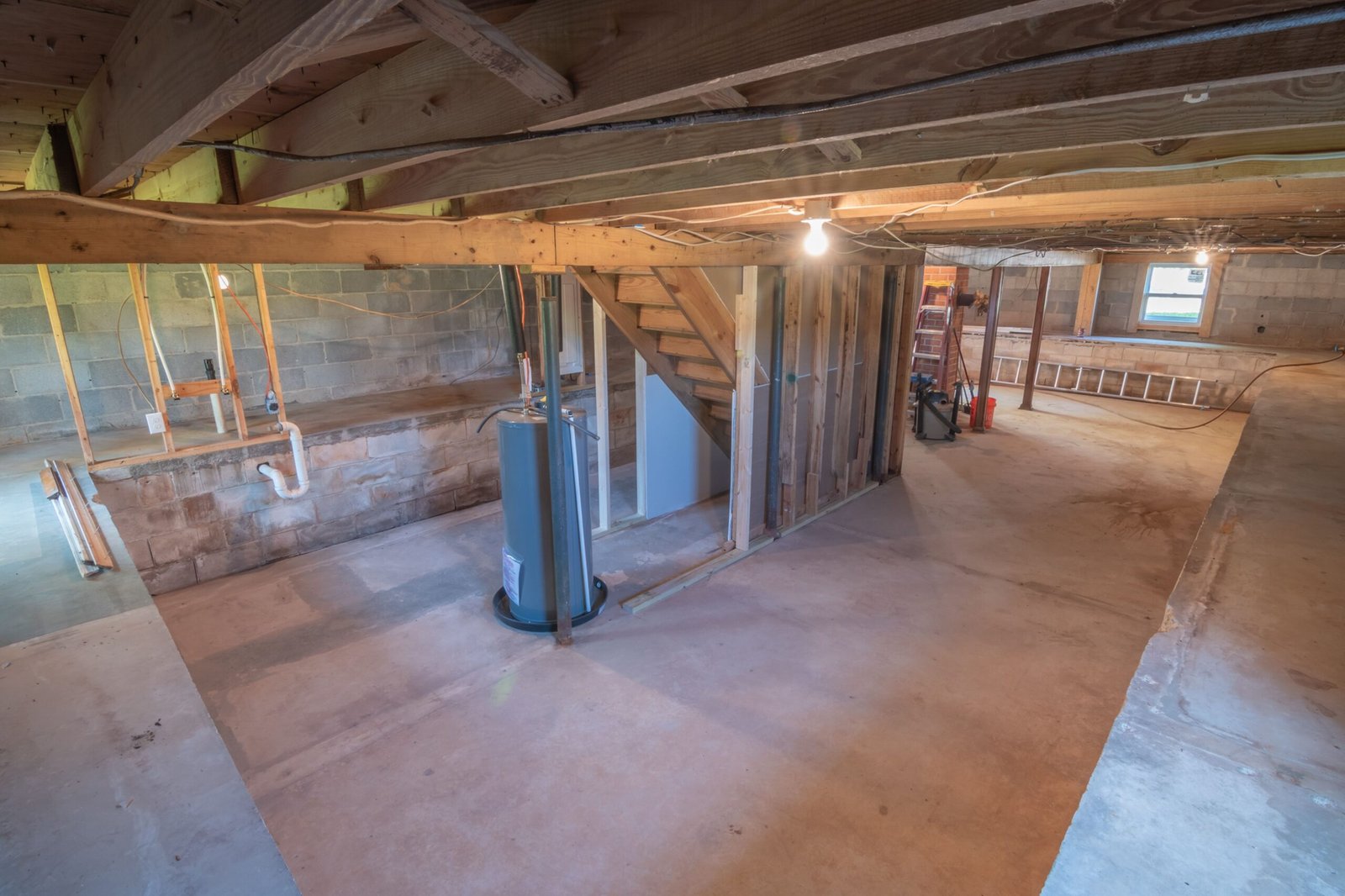
A sump pump sits in a pit (the “sump”) at the lowest point of your basement. When groundwater rises, it flows into the pit; a float switch triggers the pump, which pushes water out through a discharge pipe away from your foundation. Most Pittsburgh homes rely on a submersible pump, which sits inside the pit and is sealed against water.
The Maintenance Checklist
1. Test it every 2–3 months
Pour a bucket of water into the sump pit until the float switch engages and the pump kicks on. It should activate, pump the water out, and shut off. If nothing happens — or if it runs but does not move water — you have a problem to fix before the next storm.
2. Check the float switch
The float is the most common failure point. Make sure it moves freely and is not tangled in the power cord or stuck against the pit wall. A float that cannot rise cannot trigger the pump.
3. Clean the pit
Silt, gravel, and debris collect in the pit over time and can clog the pump intake. Unplug the pump, scoop out debris, and rinse the pit. While you are in there, check that the pump sits level — a tilted pump can wear out its bearings early.
4. Inspect the discharge line
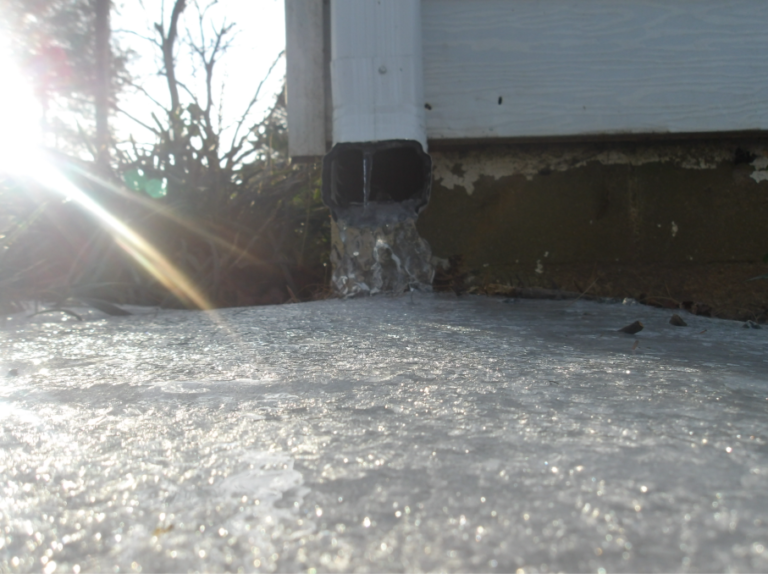
Follow the discharge pipe outside. Make sure it is not blocked, crushed, or frozen, and that it carries water well away from your foundation — at least several feet, ideally downhill. In winter, discharge lines can freeze where they exit the house; insulate exposed sections.
5. Test the check valve
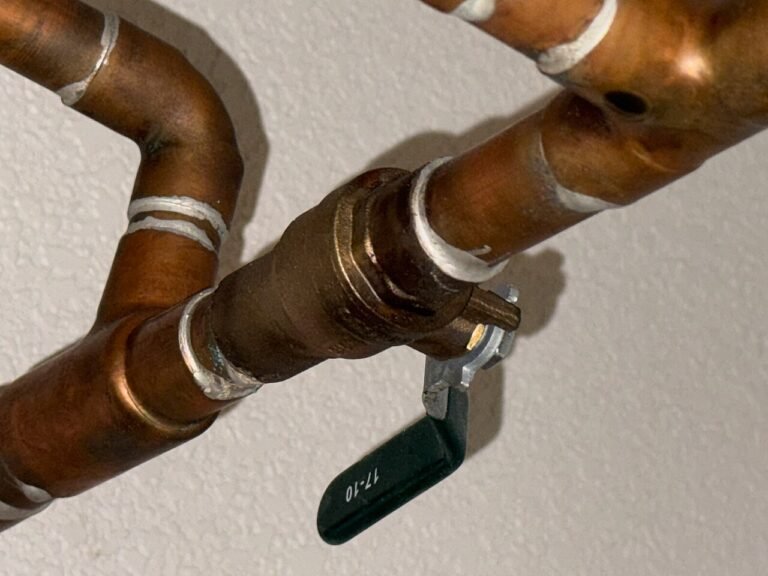
The check valve on the discharge pipe keeps pumped water from flowing back into the pit. If your pump cycles on and off repeatedly (short-cycling), the check valve may be stuck or installed backward. Listen for a clunk when the pump shuts off — that is the valve closing, which is what you want to hear.
6. Verify the power source
Sump pumps are often plugged into the same outlet as other basement equipment. Make sure the plug is fully seated, the outlet is live (test it), and the circuit is GFCI-protected. Storms that flood basements also knock out power — consider a battery backup system so your pump keeps working through outages.
7. Clean or replace the inlet screen
The intake screen keeps debris out of the pump mechanism. Rinse it clean; if it is cracked or missing, replace it. A clogged screen makes the pump work harder and shortens its life.
Signs Your Sump Pump Needs Professional Attention
- It runs constantly, even in dry weather — the float or switch may be failing.
- It makes grinding, rattling, or loud humming noises — worn bearings or a jammed impeller.
- It is more than 7–10 years old — even well-maintained pumps have a lifespan.
- The pit fills faster than the pump can empty it — you may need a larger-capacity pump or a second unit.
- Water is entering the basement from a direction the pump cannot reach — this can indicate a grading or foundation drainage issue, not just a pump problem.
If your basement has flooded more than once, the issue may go beyond the pump itself — clogged perimeter drains or a failing sewer line can overwhelm any pump. A professional inspection can find the real source.
Spring Is the Time to Act
Pittsburgh’s heaviest rains typically arrive in spring, and that is also when snowmelt saturates the ground. Run through this checklist in early spring — and again in fall — so your pump is ready when it matters. If testing reveals a problem, or if your pump is aging out, contact us to schedule a visit or email support@manmadeservices.net. Man Made Services helps Pittsburgh homeowners keep their basements dry year-round. For slow drains that can accompany wet seasons, see our drain cleaning services too.
Frequently Asked Questions
How often should I replace my sump pump?
Most sump pumps last 7 to 10 years with regular maintenance. If yours is approaching that age, replace it proactively — waiting for it to die during a storm is the expensive option.
Do I need a battery backup for my sump pump?
Strongly recommended. Power outages often happen during the same storms that flood basements. A battery backup keeps the pump running for several hours without grid power.
Why does my sump pump run all the time?
Constant running usually means a stuck float switch, a failed check valve letting water flow back into the pit, or groundwater levels that exceed the pump’s capacity. Each cause needs a different fix, so get it diagnosed.
Where should the discharge pipe send water?
At least several feet away from your foundation, ideally downhill and away from neighboring properties. Never discharge into a septic system, and check local rules before routing it to the street or storm drain.
Have a Plumbing Problem?
From drain and sewer problems to water heaters, hidden leaks and septic services, get professional help from Man Made Services.