Pittsburgh Fall Plumbing Checklist: 8 Things to Do Before Winter Arrives
Why October Is the Smartest Month for Plumbing Prep
Here in Pittsburgh, October is the sweet spot: the weather is still mild enough to work comfortably in the basement, garage, or yard, but winter is close enough to take seriously. Most of the city’s plumbing emergencies happen between December and March — frozen pipes, dead sump pumps, water heaters that finally give out. A little fall maintenance won’t prevent every problem, but it removes the most common causes of winter plumbing calls.
Set aside a weekend afternoon and work through this checklist. If anything below uncovers a real problem — a leak, low water pressure, a sump pump that won’t start — that’s what our emergency plumbing services are for, before the problem turns into a flood.
1. Disconnect and Drain Outdoor Hoses
This is the single most common cause of burst hose bibs. Remove all garden hoses, sprinklers, and splitters from outdoor faucets, drain the hoses, and store them for winter. If your hose bib has an interior shutoff valve, close it and let the exterior faucet drain. A hose left connected traps water in the faucet, which freezes, expands, and can split the pipe inside the wall — where you won’t notice until spring.
2. Shut Off Exterior Faucets (If You Have Interior Valves)
Many Pittsburgh homes have separate shutoff valves for outdoor spigots, usually in the basement near where the line exits the wall. Turn those valves off, then open the outdoor faucet to let any remaining water drain out. Leave the outdoor faucet open at a slight angle so any residual water can expand without cracking the fixture.
3. Insulate Exposed Pipes in Cold Spots
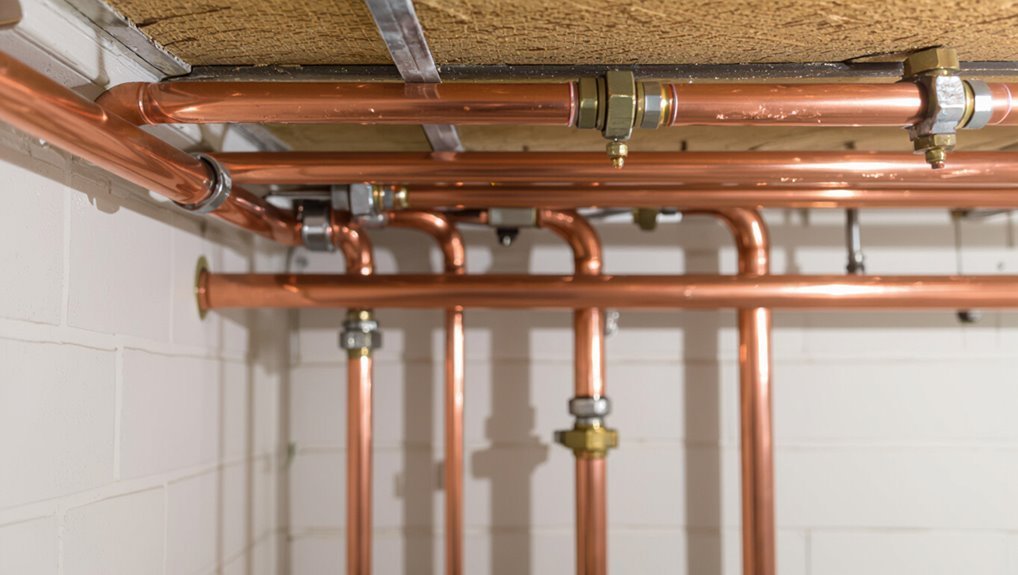
Walk through your basement, crawlspace, garage, and any unheated utility areas and look for exposed copper or PEX supply lines — especially runs along exterior walls or near drafty windows. Foam pipe insulation sleeves are inexpensive and slide right on. Pay attention to the pipes feeding hose bibs; those short runs are the first to freeze.
4. Test Your Sump Pump Before the Fall Rains
Fall storms can be heavy, and a sump pump that hasn’t run since spring is the one most likely to fail. Pour a bucket of water into the sump pit until the float switch activates. The pump should kick on, move the water out through the discharge line, and shut off cleanly. If it hums without pumping, runs constantly, or does nothing at all, have it serviced now — not during a November downpour. Check that the discharge line is clear and directed away from the foundation.
5. Check Gutters, Downspouts, and Grading
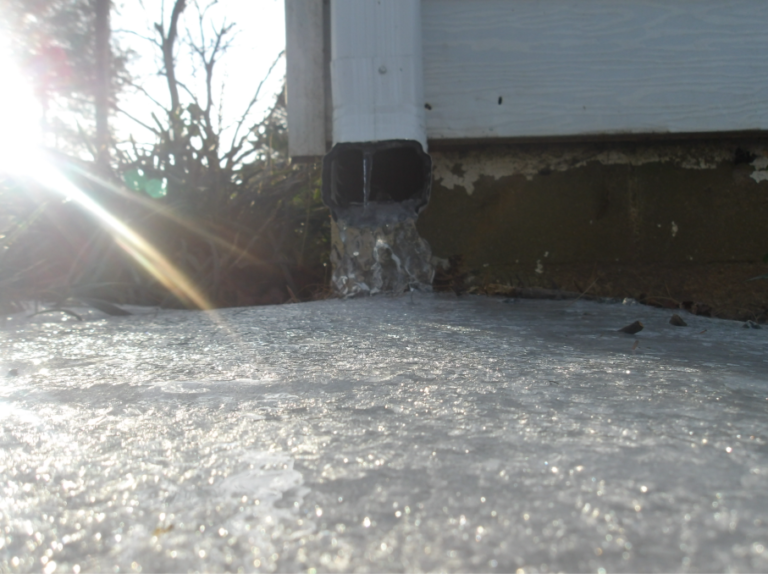
This one surprises people, but clogged gutters are a plumbing problem: overflowing gutters dump water right at your foundation, overwhelming the sump pump and, in older homes, finding their way into basement floor drains. Clean the gutters, make sure downspouts extend several feet from the house, and confirm the soil slopes away from the foundation.
6. Give Your Water Heater Some Attention
Winter is when water heaters work hardest — colder incoming water, more hot showers, more laundry. Look for rust-colored water, rumbling sounds, or moisture around the base of the tank. If it’s been a few years since a professional looked at it, a fall checkup is cheaper than a January replacement. See our water heater service page for what a full inspection covers.
7. Find and Test Your Main Water Shutoff
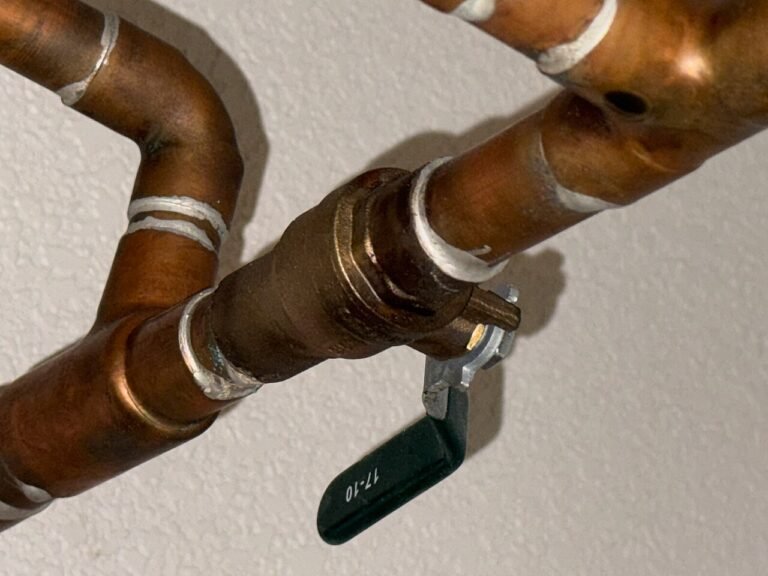
Do you know where your main water shutoff is? Most Pittsburgh homes have it in the basement near the water meter, or where the main line enters through the foundation wall. Turn it off and back on once — valves that sit untouched for years can seize. If a pipe ever bursts at 2 a.m., knowing this valve’s location is the difference between a puddle and a flood.
8. Inspect Washing Machine Hoses
Rubber washer hoses dry out and crack over time, and when they burst they can release hundreds of gallons while you’re at work. Check for bulges, cracks, or brittleness. If the hoses are more than a few years old, consider upgrading to braided stainless-steel hoses. While you’re there, make sure the drain standpipe isn’t clogged and the shutoff valves turn freely.
When to Call a Professional
This checklist handles prevention, but some things need a trained eye: persistent damp spots, water pressure that keeps dropping, drains that gurgle, or any smell of sewage. Man Made Services serves homeowners across Pittsburgh and the surrounding communities. If something on this list raised a red flag, visit our contact page to schedule a visit — catching it in October is always easier (and drier) than catching it in January.
Fall Plumbing FAQ
When should I winterize outdoor faucets in Pittsburgh?
Disconnect hoses by late October, before the first hard freeze. Pittsburgh typically sees freezing nights in late October or November, so earlier is safer than later.
Do I really need pipe insulation in a finished basement?
Pipes inside conditioned living space are usually fine. Focus on unheated areas: unfinished basements, crawlspaces, garages, and runs along exterior walls.
How do I know if my sump pump is ready for fall?
Pour water into the pit and watch it cycle: it should turn on, pump the water out, and shut off. Also confirm the discharge line is clear and drains away from the house.
My home has a septic system. Anything different for fall?
Septic systems need year-round care rather than seasonal prep — pumping every 3–5 years and keeping the drain field clear of heavy traffic. Fall is a good time to check your pumping schedule.
Have a Plumbing Problem?
From drain and sewer problems to water heaters, hidden leaks and septic services, get professional help from Man Made Services.