Water Heater Repair vs. Replacement: A Pittsburgh Homeowner’s Guide
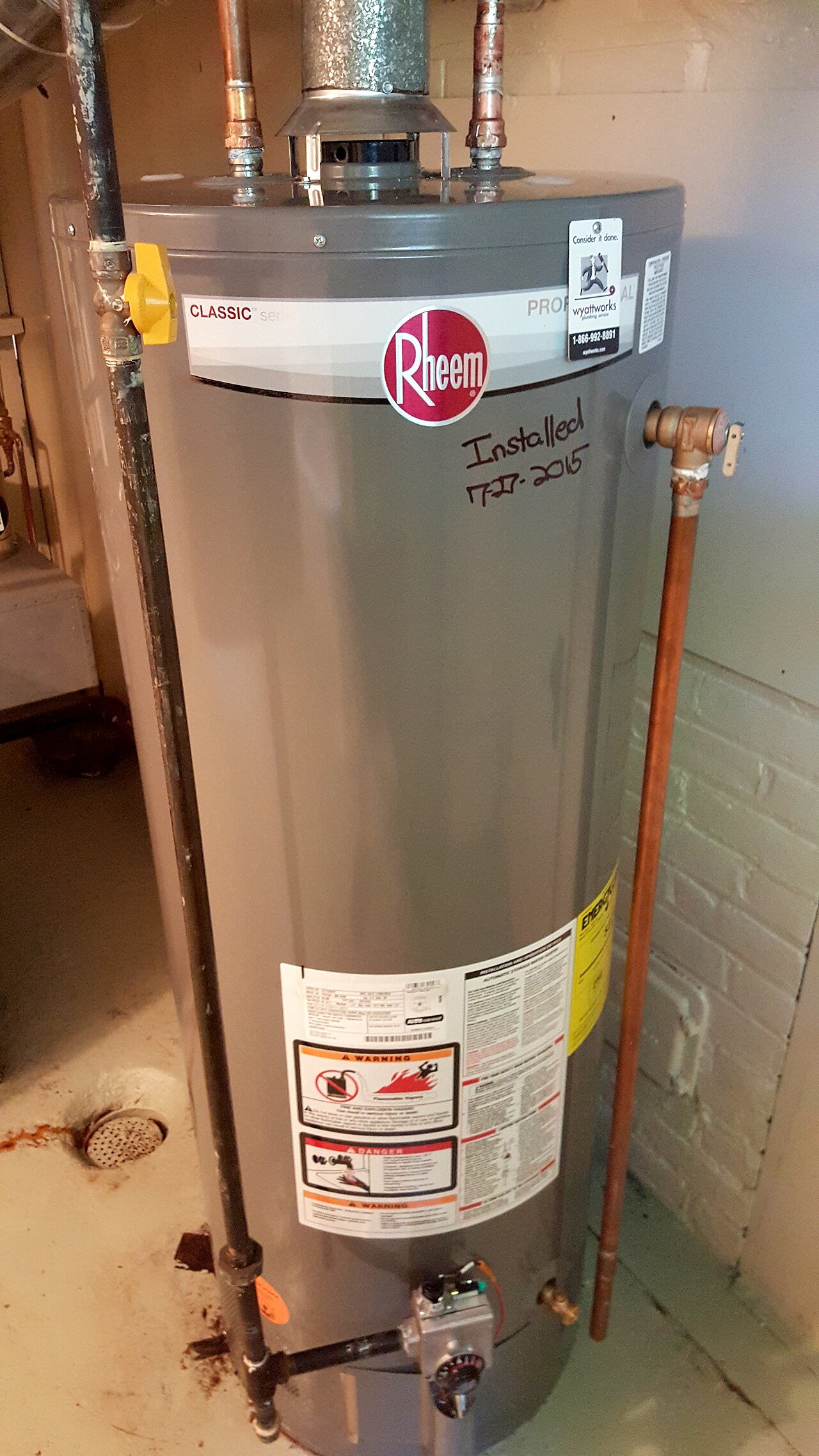
Cold shower on a Monday morning. Rusty water in the tub. A mysterious puddle spreading across the basement floor. When a water heater starts failing, every Pittsburgh homeowner faces the same question: is this worth repairing, or is it time for a new unit? The wrong call either way costs money — repair a dying tank and you’ll pay twice; replace a unit with years of life left and you’ve overspent. Here’s how to make the right decision.
How Long Do Water Heaters Actually Last?
It depends on the type. A conventional tank water heater — the big cylinder most Pittsburgh homes have — typically lasts 8 to 12 years. A tankless (on-demand) unit usually lasts 15 to 20 years, though it needs regular descaling to get there.
Two local factors shorten those numbers. First, much of the Pittsburgh area has moderately hard water, and the dissolved minerals settle as sediment at the bottom of the tank. That sediment insulates the water from the burner or element, forcing the unit to work harder and run longer. Second, many units here live in basements that swing between damp summers and cold winters, which is rough on tanks, valves, and connections. If your tank heater is pushing 10 years old, treat every new symptom as a replacement warning, not just a repair ticket.
5 Signs Your Water Heater Probably Just Needs a Repair
Not every symptom means the end. These are commonly fixable:
1. Lukewarm or inconsistent water temperature
Often a faulty thermostat or a burned-out heating element (electric models) or a failing thermocouple (gas models). These are routine repairs a plumber handles in one visit.
2. The pilot light won’t stay lit
On gas units, this usually points to a worn thermocouple or a dirty pilot assembly — inexpensive parts, straightforward fix.
3. Minor drips at fittings or valves
A weeping temperature-and-pressure relief valve or a loose connection can usually be tightened or replaced. The key distinction: water coming from a fitting is repairable; water seeping from the tank body itself is not.
4. Rumbling, popping, or banging noises
That’s sediment boiling at the bottom of the tank. A professional flush often quiets it down and buys the unit more life — provided the tank isn’t already corroded.
5. Slow hot-water recovery
If the shower goes cold faster than it used to, sediment buildup or a failing lower element is the usual suspect. Both are serviceable on a younger unit.
5 Signs It’s Time to Replace the Unit
1. The unit is 10+ years old (tank) and having any problem
Past the decade mark, components fail in sequence. Fixing one thing on a 12-year-old tank usually just reveals the next weak point. Put that repair money toward a new unit instead.
2. Rusty or discolored hot water
Run the hot tap: if the water is rusty but the cold tap runs clear, the inside of the tank is corroding. The sacrificial anode rod that protects the steel tank is long gone, and there’s no reversing it. Our leak detection and inspection services can confirm what you’re seeing.
3. Water pooling under or around the tank
A tank-body leak means the steel has corroded through. This cannot be repaired. Worse, it tends to get worse fast — a slow seep today can be inches of basement water tomorrow. If you see this, call our emergency plumbing services and consider shutting off the unit’s water supply.
4. You’ve paid for repairs twice in the last year or two
Frequent service calls are the unit telling you it’s done. Add up what you’ve spent; if you’re approaching a large fraction of replacement cost on an aging tank, stop repairing.
5. Your energy bills keep climbing
Sediment-caked tanks and worn-out elements run longer cycles to deliver the same hot water. A new high-efficiency unit can noticeably cut the water-heating portion of your utility bill — worth weighing if your current unit is old and your bills have crept up.
The Cost Question: A Simple Rule of Thumb
Simple repairs — thermostats, elements, valves, thermocouples — typically run in the low hundreds. A full replacement (new tank plus professional installation) costs several times that, and in Pittsburgh homes it sometimes includes bringing venting, the expansion tank, or the T&P discharge line up to current code.
Use the 50-percent rule: if the repair costs more than about half of what a replacement would, and the unit is past half its expected lifespan, replacement is the smarter money. On a 4-year-old tank, almost any single repair is worth doing. On an 11-year-old tank, almost none are.
One more Pittsburgh consideration: January and February send the coldest incoming water of the year into your tank, which is when marginal units finally give up. If your heater is borderline now, deciding in October — before the deep cold — beats deciding during a no-hot-water emergency in February. Contact us to schedule an assessment and get an honest recommendation either way.
What Professional Installation Should Include
If replacement is the call, a proper install is more than swapping tanks. Expect correct sizing for your household (a family of five and a single occupant don’t need the same 40- vs. 50-gallon tank), code-compliant venting for gas units, an expansion tank where required, a properly routed temperature-and-pressure relief discharge, and haul-away of the old unit. Ask any installer to walk you through each of these before they start — it’s the difference between a heater that lasts 12 years and one that causes problems in three. That’s exactly what our water heater services cover, and Man Made Services stands behind the work.
Still unsure whether your unit is worth fixing? Our water heater repair in Pittsburgh team diagnoses the fault first and gives you an upfront repair price before recommending replacement.
Frequently Asked Questions
How do I tell if my water heater is gas or electric?
Look at the top of the unit: a metal vent pipe or flue going up means gas. No vent, plus a dedicated breaker labeled “water heater” in your panel, means electric. The data plate on the tank also states the fuel type.
Can a leaking water heater be repaired?
Leaks from fittings, valves, or connections can usually be repaired. Leaks from the tank body itself mean the steel has corroded through — the unit must be replaced, and sooner is better.
How long does a water heater replacement take?
A straightforward like-for-like tank swap typically takes a few hours in a single visit. If venting, gas lines, or plumbing need modification to meet code, it can take longer — your installer should tell you upfront.
Should I flush my water heater every year?
Yes for tank models, especially in the Pittsburgh area where mineral-heavy water accelerates sediment buildup. Annual flushing reduces noise, improves efficiency, and extends the tank’s life.
Have a Plumbing Problem?
From drain and sewer problems to water heaters, hidden leaks and septic services, get professional help from Man Made Services.