Burst Pipe Repair in Pittsburgh: What the Repair Process Looks Like
You’ve shut off the water and called for help — now what? If you’re facing a burst pipe repair in Pittsburgh, it helps to know exactly what happens next. Most on-site burst pipe repairs take one to three hours, and the process follows a predictable sequence: assess, expose, cut out the damage, install the replacement, and test. This guide walks you through each step so there are no surprises when the technician arrives.
Burst Pipe Repair in Pittsburgh: What Happens When the Plumber Arrives
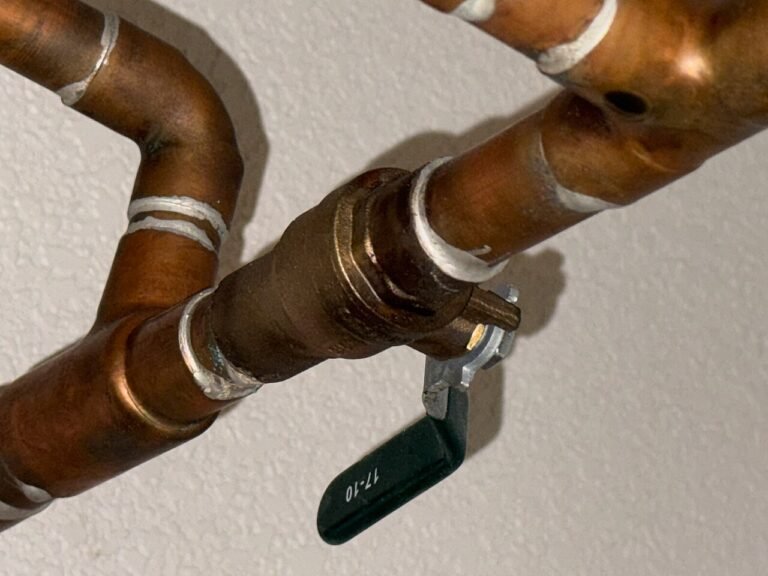
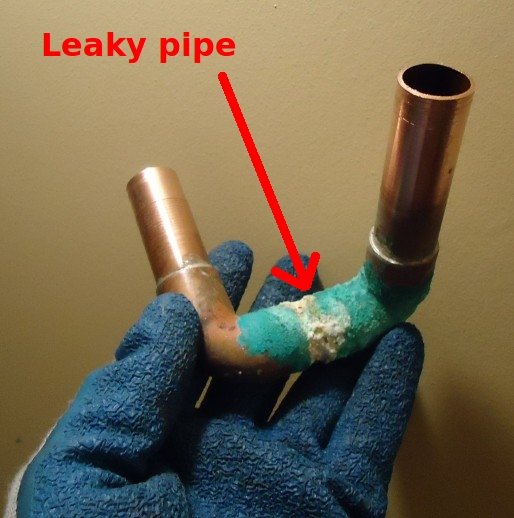
The first thing a good technician does is not grab a wrench — it’s confirm the water is fully off and assess the damage. Expect them to check the main shut-off valve, look for secondary leaks, and trace the damaged run of pipe to find the full extent of the failure. A burst rarely affects just the visible split; freezing or corrosion usually weakens a whole section.
Next comes exposing the pipe. In Pittsburgh’s older housing stock — much of it built before 1960 — burst pipes often hide behind basement ceiling tiles, inside crawl spaces, or within exterior walls. The technician will open up only as much as needed, then drain the line so the repair area is dry. If the break is in a finished wall, a small access cut is normal and far cheaper than the water damage it prevents. When the leak is hard to pinpoint, our leak detection service uses acoustic and thermal tools to find it without tearing the house apart.
How Burst Pipes Are Actually Fixed
There are three standard approaches, and which one you get depends on the pipe’s condition and material:
1. Temporary repair clamp (the stopgap)
For a clean, single split — especially late at night — a technician may fit a stainless-steel repair clamp over the break. This stops the leak immediately and restores water service, but it’s a temporary measure. Think of it as first aid: it buys time until a permanent fix can be scheduled, not a solution you leave for years.
2. Section replacement (the most common fix)
The standard permanent repair: the damaged section is cut out and a new piece of pipe is joined in with couplings or soldered fittings. For copper lines, this means cutting back to clean, solid metal on both sides of the break and sweating in a new section. For PEX or CPVC, push-fit or crimp fittings make the job faster. Most single-section replacements are done within a couple of hours.
3. Repiping the run (when the whole line is failing)
Sometimes the burst is just the first casualty. If the plumber finds widespread corrosion, pinhole leaks, or brittle old galvanized pipe, replacing the entire run is the honest recommendation. It costs more up front but ends the cycle of emergency calls — common advice in Pittsburgh neighborhoods where original 1950s galvanized plumbing is still in service.
Copper vs. PEX: What Pittsburgh Plumbers Install Today
When a section needs replacing, you’ll usually be offered a choice. Copper is the traditional premium option — durable, familiar to every plumber, and naturally resistant to UV — but it’s pricier and still vulnerable to freezing. PEX (cross-linked polyethylene) has become the go-to for repairs in cold climates: it flexes instead of bursting when water freezes inside it, installs faster, and costs less. Many Pittsburgh plumbers now default to PEX for burst repairs specifically because of that freeze tolerance. Either way, the new section should be properly insulated, especially in basements, crawl spaces, and exterior walls.
How Long Does the Repair Take?
A straightforward single-section repair on an accessible basement pipe: one to two hours. Add time if the pipe is inside a finished wall or ceiling (access and patching), if multiple sections failed, or if a full repiping is needed (half a day to a full day). The emergency call itself — getting water stopped and stabilized — is usually the fastest part. If you called our emergency plumbing services in the middle of the night, don’t be surprised if the technician stabilizes the situation with a temporary fix and returns in daylight for the permanent repair; that’s standard, professional practice.
What Affects the Cost of Burst Pipe Repair in Pittsburgh
No honest plumber quotes a flat price without seeing the job, but these are the factors that move the number:
- Accessibility — an exposed basement pipe is the cheapest scenario; a burst inside a finished wall or under a slab costs more in labor.
- Pipe material — copper parts and soldering labor run higher than PEX.
- Extent of damage — one split versus a whole corroded run.
- Water damage restoration — the plumbing fix is only part of the bill if drywall, flooring, or insulation got soaked. This is why fast shut-off matters so much.
- Timing — after-hours emergency rates are higher than scheduled daytime work, which is fair: you’re paying for a technician at 2 a.m.
Get the quote in writing before work starts, and ask whether it covers wall/ceiling patching or just the plumbing. A reputable emergency plumber will answer both questions plainly.
After the Repair: Preventing the Next Burst
The best burst pipe repair is the one you never need. Insulate exposed pipes in cold zones, keep the thermostat at 55°F or higher even when you’re away, and let faucets drip during deep freezes. A little October preparation beats a January emergency every time. Man Made Services handles both the emergency and the prevention side, so Pittsburgh homeowners only need one number.
Frequently Asked Questions
How long does burst pipe repair take in Pittsburgh?
Most single-section repairs take one to three hours on site. Repiping a full run can take half a day to a full day. Emergency stabilization — stopping the water — is usually done within the first hour of arrival.
Can a burst pipe be repaired, or does it need replacing?
The burst section itself is almost always cut out and replaced rather than patched. Repair clamps are temporary stopgaps. If the surrounding pipe is corroded or brittle, replacing the whole run is the smarter long-term fix.
Is PEX or copper better for burst pipe repairs?
PEX is increasingly preferred in Pittsburgh because it flexes during freezes instead of bursting, installs faster, and costs less. Copper remains a solid premium choice. Either is a proper permanent repair when installed and insulated correctly.
What should I do before the plumber arrives for a burst pipe?
Shut off the main water valve, switch off power to any wet areas at the breaker, move valuables away from the water, and take photos for insurance. Then describe the situation clearly on our contact page or by email so the technician arrives prepared.
Have a Plumbing Problem?
From drain and sewer problems to water heaters, hidden leaks and septic services, get professional help from Man Made Services.