Why Is My Water Bill So High? 7 Hidden Plumbing Causes in Pittsburgh Homes
If your water bill in Pittsburgh suddenly jumped with no change in your routine, water is almost certainly escaping somewhere you can’t see — a running toilet, a dripping fixture, or a hidden leak behind a wall or under a slab. A bill that doubles overnight is rarely a billing quirk; it’s usually water you paid for and never used. Here’s how to work through the seven most common causes, the two tests you can run yourself in under an hour, and when it’s time to bring in a plumber.
7 Hidden Causes of a High Water Bill
1. A running toilet
The number-one culprit. A toilet with a worn flapper or mis-set fill valve can run silently all day, wasting 200+ gallons per day — that’s 6,000+ gallons a month, often more than the rest of the household uses combined. If your bill spiked, the toilet is where to look first. Our running toilet repair guide walks through the 15-minute food-coloring test that diagnoses it: drop food coloring in the tank, wait 15 minutes without flushing, and if color appears in the bowl, the flapper is leaking.
2. Dripping faucets and showerheads
One faucet dripping once per second wastes over 3,000 gallons a year, according to EPA WaterSense estimates. Two or three slow drips across the house — a kitchen faucet, a guest-bath showerhead — quietly add hundreds of gallons a month to your bill. Dripping is usually a worn washer, cartridge, or O-ring: cheap parts, and far cheaper than months of wasted water.
3. A slab or underground service-line leak
The expensive kind. If your home sits on a slab, a supply line under the concrete can develop a pinhole leak that never surfaces. Warning signs: a warm spot on the floor, damp carpet near walls, the sound of running water when nothing is on, or — the telltale — a meter that keeps moving with every fixture shut off. These are the leaks that justify our leak detection services in Pittsburgh, because finding the exact spot without tearing up the whole slab takes acoustic and thermal equipment.
4. A water softener stuck in its regeneration cycle
Whole-home water softeners periodically flush (regenerate) their resin beds, using water each time. If the valve sticks or the timer malfunctions, the unit can cycle constantly — dumping thousands of gallons down the drain without you noticing. If you installed a softener recently and the bill jumped right after, check it first. (Thinking of getting one? See our guide on water softeners in Pittsburgh for costs and options.)
5. An outdoor spigot left open or cracked from freezing
Pittsburgh winters are hard on hose bibs. A cracked frost-free sillcock or a garden hose left connected over winter can leak behind the siding for months — especially if the split is on the inside of the wall where you’d never see it. Each spring, walk every spigot: turn it on, check the water pressure, and look for dripping from the handle or water stains on the basement wall directly below it.
6. A faulty meter or an estimated bill
Sometimes the problem is on the provider’s side. Bills based on estimated (not actual) reads — common when a meter is hard to access in winter — can overcharge you for months until a true read reconciles it. Check whether your bill says “estimated.” If the reading looks wrong, most Pittsburgh-area providers will re-read the meter on request. Note the meter reading yourself before calling so you have a starting point.
7. Old, inefficient toilets and fixtures
Toilets made before 1994 use 3.5 to 7 gallons per flush; the modern standard is 1.6 gallons. In a house with two or three original toilets, flushing alone can use 10–20 extra gallons a day per person versus efficient models. If your fixtures predate the neighborhood’s newer builds, age alone can explain a bill that feels permanently too high.
How to Find the Leak Yourself
Two tests, under an hour, no tools needed:
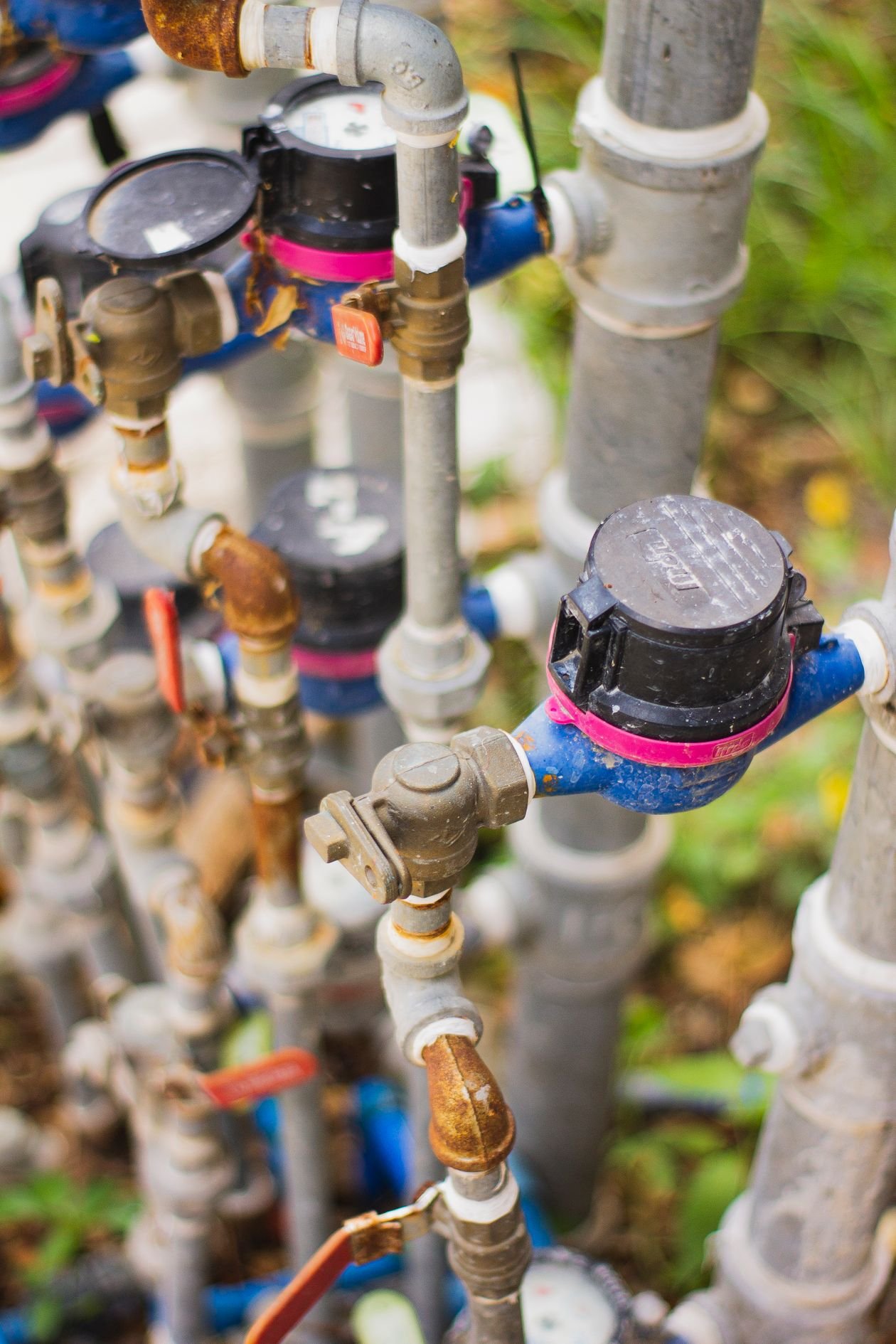
The meter test. Turn off every fixture and water-using appliance in the house — no dishwasher, no washer, no ice maker. Find your water meter (usually in the basement near where the main line enters) and note the reading or watch the small leak-indicator dial. Wait 30–60 minutes without using any water. If the reading changed or the dial is moving, water is leaving the house somewhere.
The dye test. For toilets specifically, add a few drops of food coloring to each tank, don’t flush for 15 minutes, then check the bowls. Color in the bowl means the flapper is letting water slip through — a $10 part and the most common high-bill fix in existence.
If the meter test says water is flowing but you’ve ruled out toilets and visible drips, you’re looking at a supply-line or slab leak — and that’s professional territory. Our hidden water leaks guide covers the subtler signs to watch for while you wait.
When a Plumber Should Take Over
Call a professional if the meter keeps moving and you can’t find the source, if you notice warm spots on the floor, musty smells, or damp drywall, or if the bill keeps climbing month over month despite everything you’ve checked. An undetected supply leak doesn’t just cost money — it feeds mold and erodes the soil under your foundation. If water is actively flooding or a line has burst, shut the water off at the main valve and reach our emergency plumbing services in Pittsburgh right away.
FAQ
Why did my water bill double suddenly with no change in usage?
Almost always a leak, not a rate change. Rule out running toilets first (the most common cause), then run the 30-minute meter test. A meter that moves with everything off means water is escaping through a fixture, supply line, or underground pipe.
Can a running toilet really add that much to my bill?
Yes — a toilet with a bad flapper can waste 200+ gallons per day, or roughly 6,000 gallons a month. That’s often more than the rest of the household uses, and it can add tens of dollars to a monthly bill.
How do I check for a hidden leak myself?
Turn off all water, watch the meter for 30–60 minutes, and do the food-coloring dye test in each toilet tank. If the meter moves or dye appears in the bowl, you’ve found at least part of the problem.
When should I call a plumber about a high water bill?
If the meter test shows flow you can’t account for, if you notice warm floor spots, damp drywall, or musty smells — or if the bill keeps rising after you’ve checked the obvious culprits. Undetected leaks cause structural and mold damage that gets more expensive every month you wait.
Have a Plumbing Problem?
From drain and sewer problems to water heaters, hidden leaks and septic services, get professional help from Man Made Services.