How to Prevent Frozen Pipes in Pittsburgh: Winter Prep Checklist
How to Prevent Frozen Pipes in Pittsburgh: Winter Prep Checklist
Pittsburgh winters freeze pipes every year — usually in unheated basements, crawl spaces, exterior walls, and garages. The fix costs a few dollars and an afternoon; a burst pipe costs thousands in water damage. Work through this checklist before the first hard freeze, and your plumbing will make it to spring intact.
Why Pittsburgh Homes Are Vulnerable
Pittsburgh’s housing stock is among the oldest in the country, and older homes were built when insulation standards were lax. Add stretches of single-digit temperatures each winter, and you get the perfect setup for frozen pipes: cold air reaching water lines through uninsulated walls, drafty basements, and pipes run along exterior walls with nothing between them and the January wind.
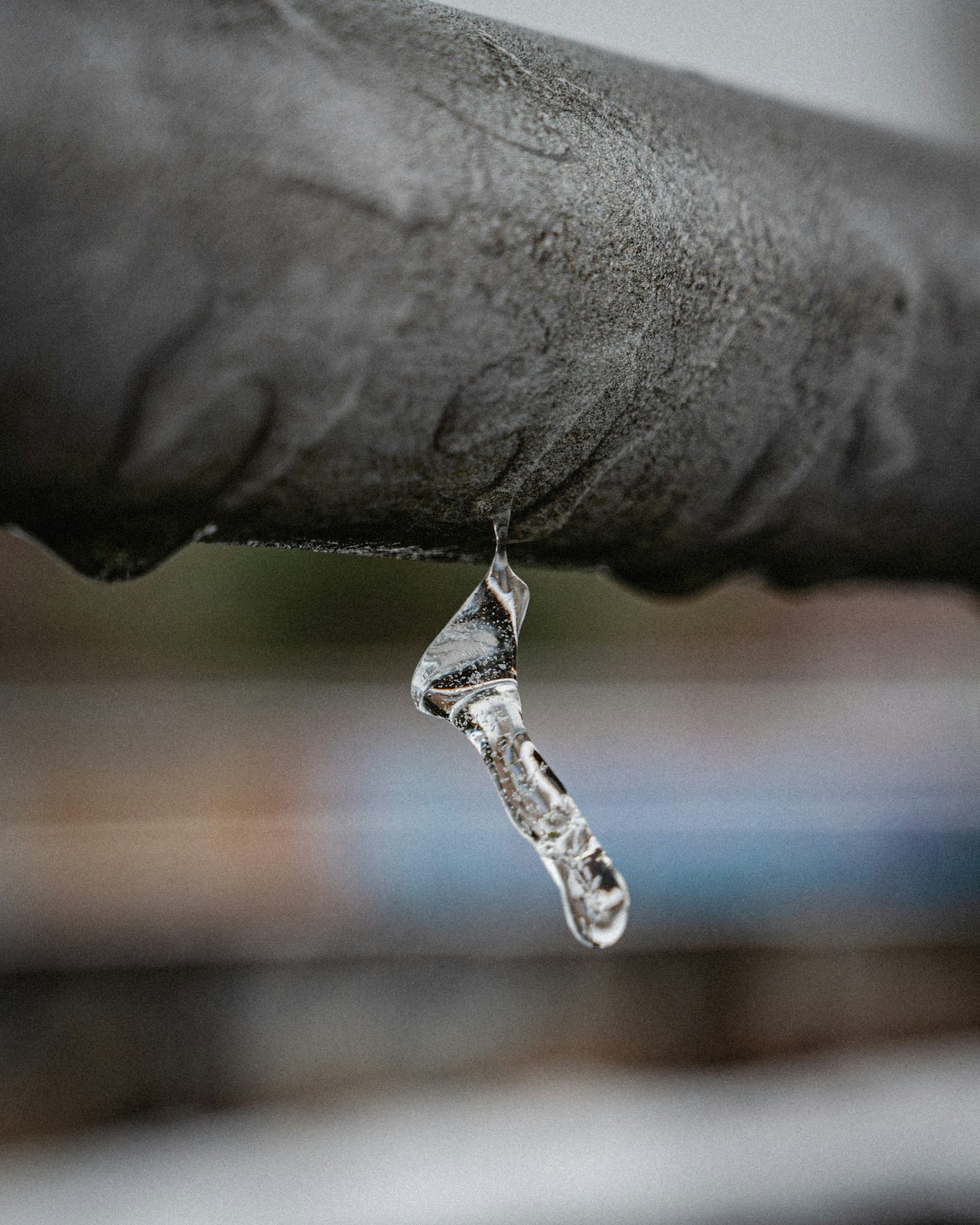
Pipes don’t just freeze — they burst. Water expands about 9% when it freezes, and the pressure has nowhere to go. The burst usually happens downstream of the frozen section, in the weakest fitting, and you won’t know until it thaws — often while you’re at work.
The Winter Prep Checklist
1. Insulate exposed pipes
Foam pipe sleeves cost a few dollars each at any hardware store and take minutes to install. Priority spots:
- Basement and crawl space pipes
- Pipes in unheated garages
- Lines running along exterior walls
- Attic pipes near vents
For problem areas that freeze every year, electric heat tape (self-regulating cable) provides active protection — just follow the manufacturer’s safety instructions exactly.
2. Seal the cold air out
Insulation on the pipe helps, but insulation around it matters more. Seal gaps where cold air reaches your plumbing:
- Caulk and weatherstrip around pipe penetrations in exterior walls
- Insulate rim joists in the basement
- Close crawl space vents for winter
- Repair broken basement windows
3. Protect outdoor plumbing
- Disconnect garden hoses before the first freeze and drain the spigots
- Shut off and drain the valves to outdoor hose bibs from inside
- Install frost-free hose bibs if your spigots are the old-fashioned kind — they’re one of the best winter investments for Pittsburgh homes
- Drain and shut off water to outbuildings, irrigation systems, and pool lines
4. Know your shut-off valve
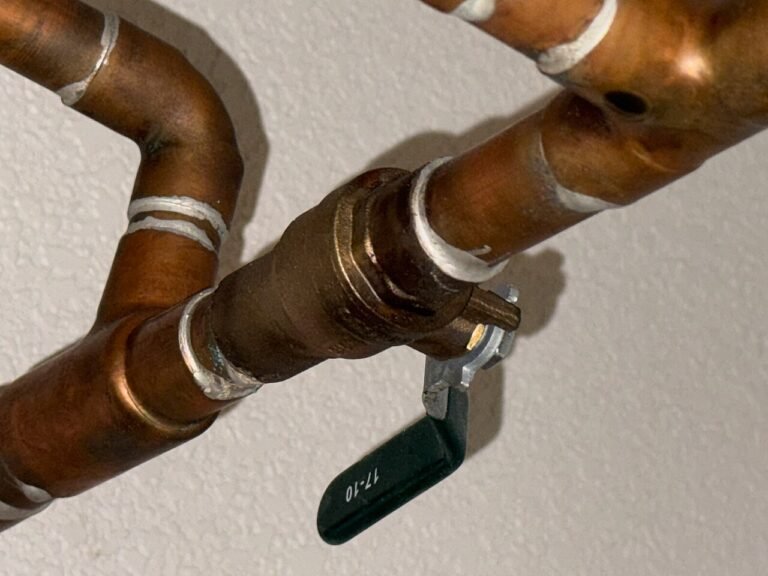
If a pipe bursts, shutting off the main water supply within minutes is the difference between a wet basement and a ruined one. Everyone in the household should know where the main water shut-off valve is and how to turn it. If you’ve never located yours, do it today — not during the emergency.
5. Keep the heat on — everywhere
- Never set the thermostat below 55°F, even when traveling
- Open cabinet doors under sinks on exterior walls during extreme cold so warm air reaches the pipes
- Keep garage doors closed if water lines run through the garage
- Let faucets drip during the coldest nights — moving water is much harder to freeze
6. Service the water heater
Winter is the hardest season on water heaters — incoming water is colder, so the unit works harder. Flush sediment, check the pressure relief valve, and if your unit is over 10 years old, consider whether it’s worth servicing or replacing before the cold sets in.
If You Suspect a Frozen Pipe
Act fast — a frozen pipe is a burst pipe waiting to thaw.
- Find it. No water or reduced flow from one faucet usually means a frozen section nearby. Feel the pipe — the frozen section will be ice-cold and may have frost on it.
- Keep the faucet open. A trickling stream of water helps pressure escape as the ice melts and tells you when flow is restored.
- Thaw gently. Use a hair dryer, heating pad, or warm towels. Never use an open flame — torches have burned down more houses than frozen pipes.
- Work from the faucet toward the frozen section. This lets melting water escape through the open faucet instead of building pressure.
- Check for leaks as it thaws. Watch the whole pipe run; if you find a split, shut off the water immediately.
When to Call a Plumber
Call a professional if you can’t find the frozen section, multiple fixtures are affected, the pipe is inside a wall or floor, or it has already burst. Attempting to thaw a pipe buried in a wall can cause more damage than the freeze. Our emergency plumbing service handles frozen-pipe emergencies around the clock through the winter — burst pipe repairs included.
If your winter freeze exposed bigger problems — corroded lines, low pressure, a struggling drain system — it may be worth getting the whole system evaluated while we’re there. And if you have questions anytime, reach out.
FAQ
Q: At what temperature do pipes freeze?
A: Pipes can freeze when temperatures drop to about 20°F (-6°C) and stay there for several hours, though uninsulated pipes in drafty spots can freeze at 32°F. Pittsburgh typically sees multiple stretches below 20°F each winter.
Q: Should I let faucets drip during a freeze?
A: Yes — a slow drip on faucets connected to vulnerable pipes (exterior walls, unheated spaces) during extreme cold nights keeps water moving and relieves pressure, which is the main burst mechanism. Focus on the coldest faucets, not every tap in the house.
Q: How long does it take for a pipe to thaw on its own?
A: It depends on the freeze severity, but a hair dryer applied to an accessible section usually restores flow within 30–60 minutes. Pipes inside walls or under slabs can take much longer — and if flow isn’t restored within a few hours, call a plumber before the thaw causes a burst.
Q: Will my pipes burst the first time they freeze?
A: Not necessarily — a light freeze may just block flow. But every freeze cycle stresses fittings and joints, and repeated freezing makes a burst increasingly likely. A pipe that froze once should be treated as a winterization failure and fixed before the next cold snap.
Have a Plumbing Problem?
From drain and sewer problems to water heaters, hidden leaks and septic services, get professional help from Man Made Services.