Septic Tank Pumping Cost in Pittsburgh: 2026 Prices & How Often to Pump
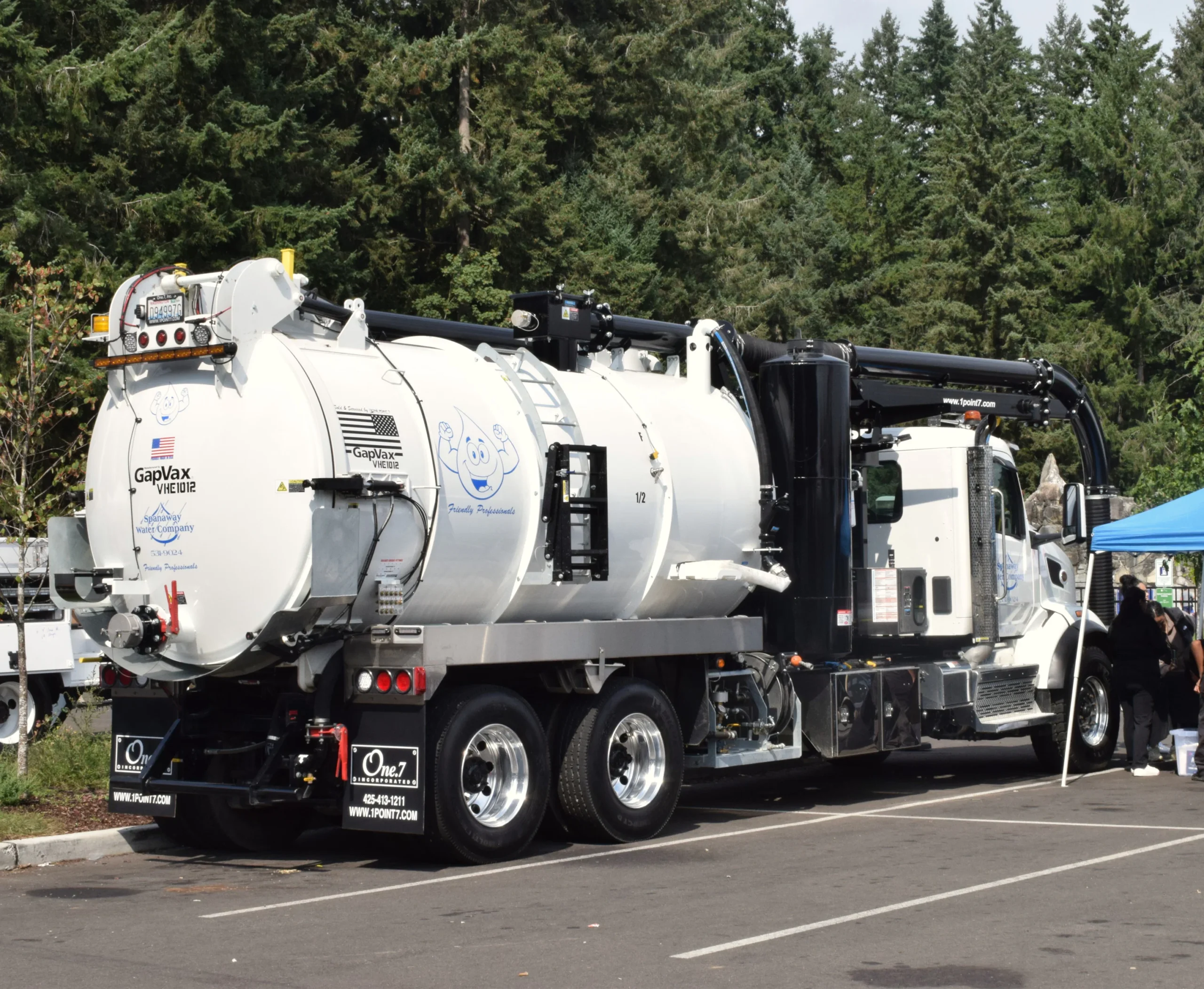
If you have a septic system outside Pittsburgh, pumping the tank is the single cheapest insurance you can buy for your plumbing. In 2026, septic tank pumping cost in Pittsburgh typically runs $300–$550 for a standard residential tank, and most households only need it every 3–5 years. Skip it, and you risk sewage backups and a failed drain field that can cost thousands to fix.
Average Septic Tank Pumping Cost in Pittsburgh (2026)
| Tank size | Typical homes served | Typical price range |
|---|---|---|
| 750–1,000 gallons | 2–3 bedrooms | $300–$450 |
| 1,250 gallons | 3–4 bedrooms | $400–$550 |
| 1,500+ gallons | 4+ bedrooms | $500–$700 |
These are typical ranges, not quotes — your final bill depends on the factors below. A routine pump-out usually takes 1–2 hours and includes pumping the tank down, checking the baffles, and inspecting the scum and sludge layers.
5 Factors That Drive Septic Tank Pumping Cost in Pittsburgh
Tank size and household demand.
Bigger tanks cost more to pump, but they are pumped less often. A 1,000-gallon tank serving four people fills faster than the same tank serving two — your pumper should estimate frequency from your actual household, not just the tank’s rated size.
Lid accessibility.
If your tank lids are buried and the crew has to dig to find them, expect a digging/locating fee — typically $50–$150. Homeowners who install risers (extensions that bring the lids to the surface) pay for the excavation only once.
Extra services during the visit.
Many pumpers bundle add-ons: a septic system inspection of baffles and filters ($100–$200), an effluent filter cleaning or replacement, and back-jetting the drain field lines. These can be worth it — catching a cracked baffle early is far cheaper than replacing a drain field.
Sludge buildup and solids.
A tank that hasn’t been pumped in 8–10 years takes longer and may need extra rinsing or a second pump-out. Regular pumping keeps each visit quick and cheap.
Emergency or after-hours service.
If sewage is backing up into the house on a Saturday night, you’ll pay an emergency premium — often $100–$300 above the standard rate. This is why a maintenance schedule beats a panic call. Keep an emergency plumber in Pittsburgh saved in your phone for genuine emergencies, but don’t let a full tank become one.
How Often Should a Septic Tank Be Pumped?
The general rule is every 3–5 years for a typical family, but the honest answer depends on tank size, household size, and water use.
- 2-person household, 1,000-gallon tank — every 4–5 years.
- 4-person household, 1,000-gallon tank — every 2–3 years.
- Garbage disposal users — pump roughly a year sooner, disposals add significant solids.
- Older or unknown-age tanks — get one inspection and pumping to establish a baseline, then follow the pumper’s recommended interval.
If your system is permitted or you have an advanced treatment unit, follow the permit’s maintenance terms. When in doubt, the 3–5-year rule protects your drain field, which is the most expensive part of the system to replace.
Warning Signs Your Septic Tank Needs Pumping Now
- Drains are slow in multiple fixtures at once.
- Gurgling sounds from toilets or drains.
- Sewage odors near the tank, drain field, or in the yard.
- Standing water or unusually lush grass over the drain field.
- Toilets backing up or needing repeated plunging.
Any of these mean the tank is full or the drain field is struggling — call for septic services in Pittsburgh before the next rainstorm makes it worse.
How to Save Money on Septic Pumping in Pittsburgh
- Install risers on your tank lids — one-time cost that eliminates the digging fee forever.
- Stick to a schedule — a routine pump-out every 3–5 years is far cheaper than an emergency visit.
- Know where your system is — if you have the as-built drawing, hand it to the pumper. No locating fee.
- Bundle services — combine pumping with a baffle/filter check rather than paying for two visits.
- Watch what goes down the drain — grease, wipes, and harsh chemicals kill the bacteria your tank needs and fill it faster.
FAQ
Q: How long does septic tank pumping take?
A: A standard residential pump-out takes about 1–2 hours, including locating the lids, pumping, and a basic inspection of baffles and sludge levels.
Q: Can I pump my own septic tank?
A: No — pumping requires licensed equipment and the waste must be hauled to an approved treatment facility. DIY pumping is illegal in most areas and extremely hazardous.
Q: What happens if I never pump my septic tank?
A: Solids eventually flow into the drain field, clogging the soil. Once a drain field fails, repairs or replacement can run $5,000–$15,000+ — many times the cost of routine pumping.
Q: Does septic pumping fix a slow drain field?
A: Pumping relieves the immediate load and lets a technician assess the field, but a biologically clogged drain field may need professional remediation such as sewer line repair-style jetting of the field lines or, in severe cases, partial replacement.
Skipping a $400 pump-out to risk a $10,000 drain field replacement is the worst trade in home plumbing. Put your system on a 3–5-year schedule, learn the warning signs above, and if anything backs up or smells wrong, get septic services in Pittsburgh out before a small problem becomes a yard full of one. When budgeting, remember that septic tank pumping cost in Pittsburgh stays predictable when you pump on schedule.
Have a Plumbing Problem?
From drain and sewer problems to water heaters, hidden leaks and septic services, get professional help from Man Made Services.