How Much Does Water Heater Replacement Cost in Pittsburgh? 2026 Prices
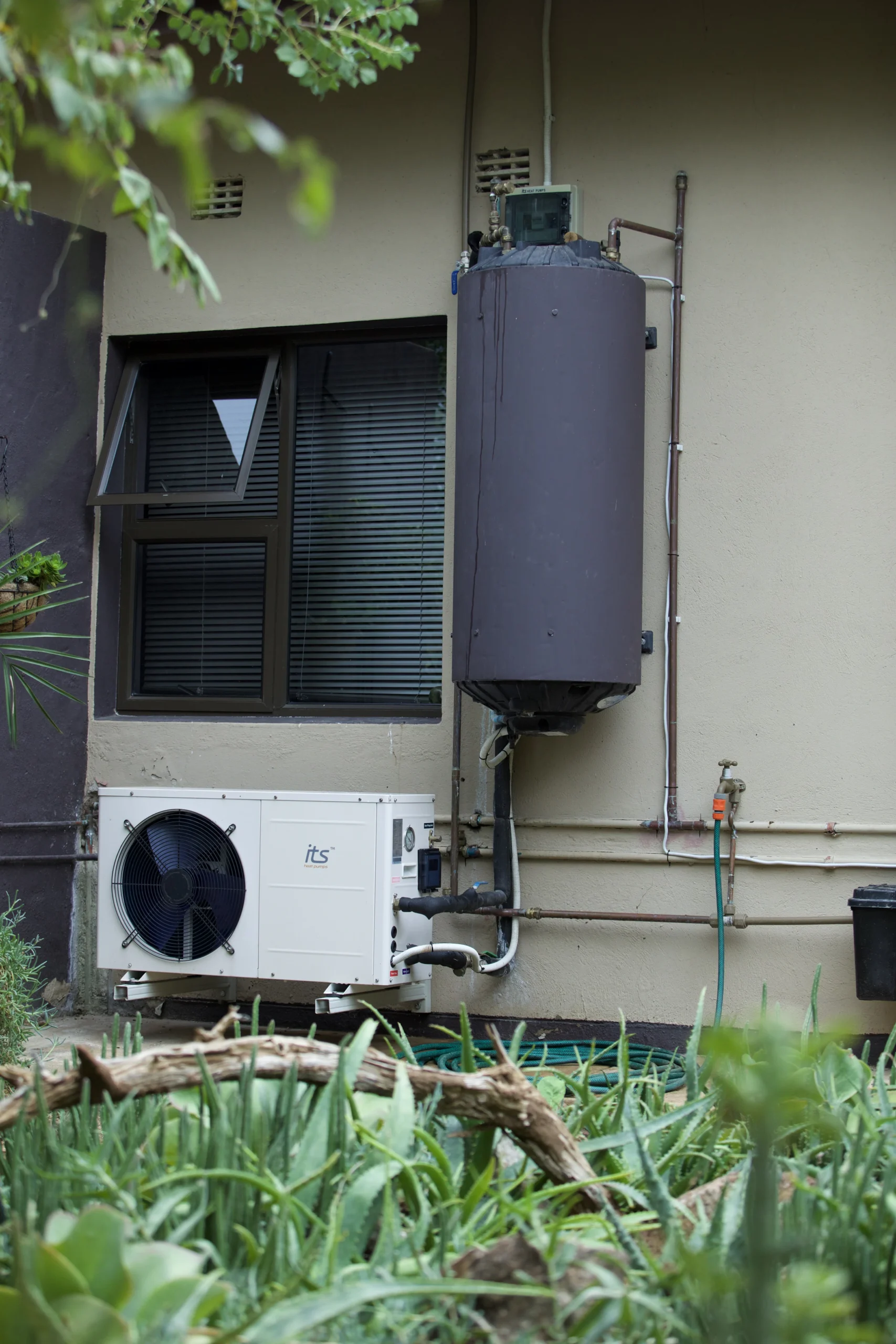
In 2026, professional water heater replacement in Pittsburgh typically runs $1,200–$2,500 installed for a standard 40–50 gallon tank unit, and $2,500–$4,500+ for a tankless upgrade. When your water heater starts failing, knowing the real water heater replacement Pittsburgh cost landscape helps you avoid panic pricing — because nobody shops well at midnight with a puddle spreading across the basement floor.
Typical Water Heater Replacement Pittsburgh Prices in 2026
| Unit type | Typical household | Typical installed cost |
|---|---|---|
| 40–50 gal gas/electric tank | 2–4 people | $1,200–$2,200 |
| 75 gal tank | 4+ people / high demand | $1,800–$2,800 |
| Whole-house gas tankless | 2–5 people | $2,500–$4,500+ |
| Electric tankless | Smaller homes | $2,000–$3,500 |
These are typical ranges, not quotes — your final number depends on the factors below. The installed price always includes the unit, removal and disposal of the old heater, basic code upgrades, and (with any reputable installer) the permit.
Tank vs. Tankless: Which Should You Choose?
Standard tank heaters cost less upfront and drop into your existing hookups — a gas tank usually needs no new venting or gas line. They last 8–12 years and keep 40–75 gallons hot around the clock, which also means standby heat loss. For most Pittsburgh households replacing a like-for-like unit, a new efficient tank is the fastest, cheapest path back to hot showers.
Tankless heaters heat water on demand, last 15–20+ years, and cut energy use roughly 25–35% for typical households (per DOE figures) — but the install is the expensive part. Switching from tank to tankless often requires a larger gas line, new venting (usually direct-vent PVC), and sometimes an electrical upgrade. If you’ll live in the home 10+ years, the savings and lifespan usually justify it; if you’re selling soon, a new tank is the smarter investment.
6 Things That Raise Your Replacement Bill
1. Fuel-type or venting changes. Going electric-to-gas (or tank-to-tankless) is the single biggest cost jump — new gas lines and venting can add $500–$2,000+ to the job.
2. Code upgrades. Current codes in most Allegheny County municipalities require an expansion tank on closed-loop systems, a drain pan under heaters in finished spaces, and a properly piped T&P (temperature and pressure) relief valve. Reputable installers include these; cheap quotes that skip them are red flags.
3. Unit size and recovery rate. Bigger tanks and high-BTU tankless units cost more — but an undersized heater is false economy in a Pittsburgh winter, when incoming groundwater sits near 40°F and every fixture fights for heat.
4. Access and location. A heater in an open basement swaps out in hours. One crammed into a tight crawlspace or a closet with no clearance slows the crew and adds labor.
5. Permits. Most Pittsburgh-area municipalities require a plumbing permit for a water heater replacement — typically $50–$150. A legit installer pulls it for you; “no permit needed” from a stranger with a van is a walk-away sign.
6. Emergency timing. A Saturday-night failure adds an after-hours premium. If your unit is past 10 years, price the replacement on YOUR schedule, not the leak’s.
Repair vs. Replace: The 50% Rule
Don’t automatically replace — or automatically repair. Two simple tests: if the repair quote exceeds 50% of replacement cost, replace. If your tank is past 10 years old (tankless: past 20), replace — you’re paying to extend a unit that’s already on borrowed time. Rusty water, rumbling sediment, or water at the base all point toward replacement. For younger units with a failed thermostat or heating element, water heater repair in Pittsburgh is usually the economical call.
What Installation Day Looks Like
A standard tank swap takes 2–4 hours: drain and disconnect the old unit, set and level the new one, reconnect water/gas/venting, fill, test, and haul the old heater away. A tank-to-tankless conversion is a 1–2 day job with gas line and vent work. Either way, the crew should leave you with hot water the same day for tank jobs — and paperwork for the permit and warranty.
FAQ
How long does water heater replacement take?
A standard tank swap takes 2–4 hours. Converting from tank to tankless typically takes 1–2 days because of gas line and venting work.
Do I need a permit to replace a water heater in Pittsburgh?
In most Allegheny County municipalities, yes — a plumbing permit is required for water heater replacement. Reputable installers pull the permit as part of the job.
Can I replace a water heater myself?
Homeowners can legally do it in some areas, but gas connections, venting, and the T&P relief valve are genuine safety hazards — improper installs have caused explosions and carbon monoxide poisoning. A licensed professional is the safe choice.
How long does a new water heater last?
Tank heaters last 8–12 years; tankless units last 15–20+ years with annual maintenance. Pittsburgh’s moderately hard water makes annual flushing worth it for both.
When your heater starts rumbling, leaking, or running cold, get a water heater repair in Pittsburgh assessment first — and if it’s time, schedule the replacement before the tank decides the timing for you. For burst tanks, gas smells, or active leaks, call an emergency plumber in Pittsburgh right away.
Have a Plumbing Problem?
From drain and sewer problems to water heaters, hidden leaks and septic services, get professional help from Man Made Services.