Toilet Leaking at Base in Pittsburgh: Wax Ring Failure & How to Fix It
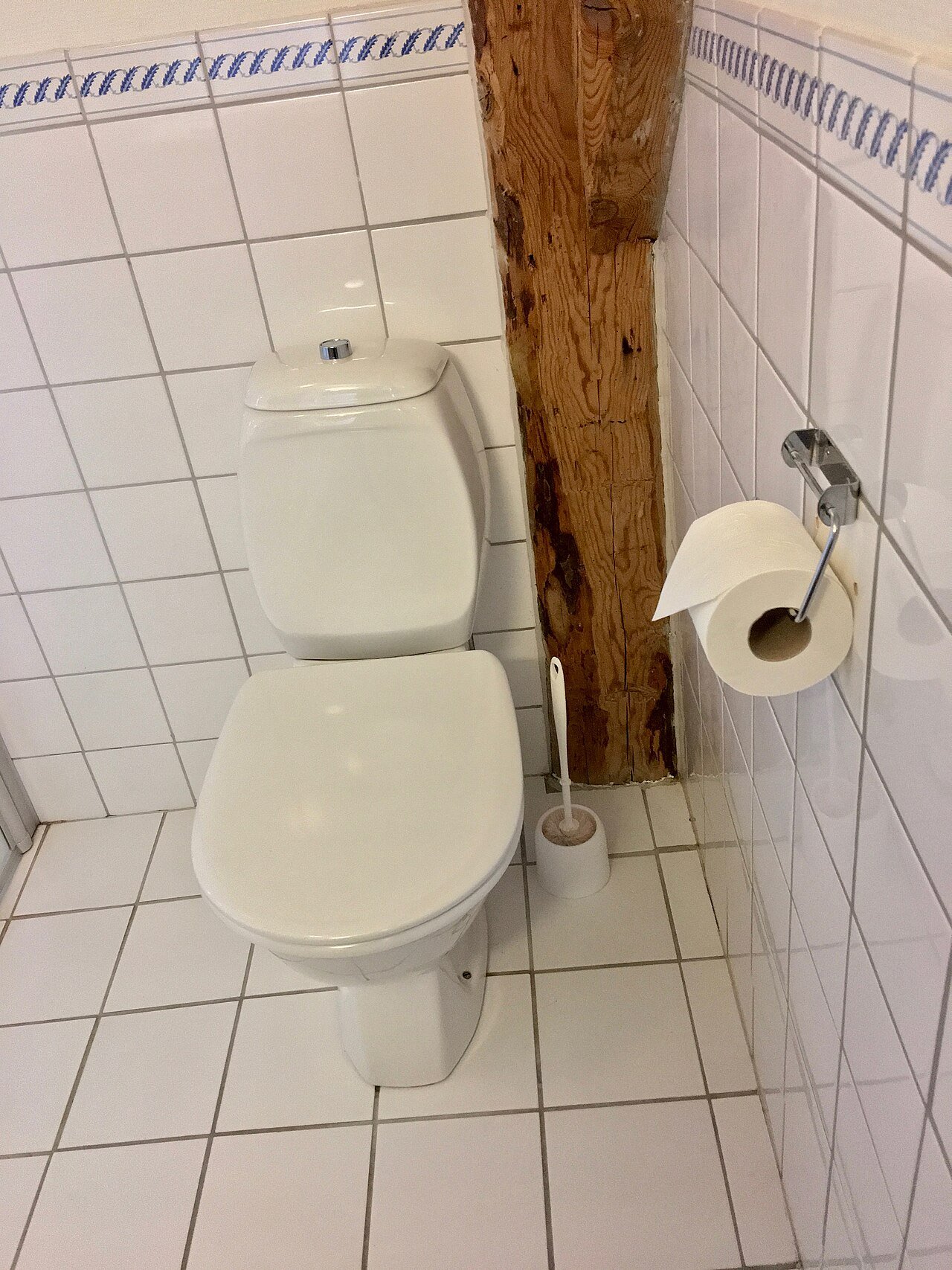
Water pooling around the bottom of your toilet is not a spill — it is a leak, and it usually means the wax ring seal underneath has failed. A case of toilet leaking at base Pittsburgh homeowners notice after flushing is one of the most common toilet repairs in older homes, and it should not wait: every flush pushes a little more water into the floor beneath. Here is how to tell what is wrong, what you can fix yourself, and when to call a professional before the subfloor rots.
What the Wax Ring Does (and Why It Fails)
Your toilet does not bolt directly to the drain pipe. It sits on a wax ring — a thick donut of wax that seals the gap between the toilet’s base and the closet flange on the floor. That seal keeps flush water and sewer gas inside the pipe. Wax rings fail for a few predictable reasons: the toilet rocks because the floor or flange is uneven, the bolts loosen over time, the flange itself cracks (common in Pittsburgh’s older cast-iron plumbing), or a bathroom remodel leaves the toilet sitting slightly too high or low for the ring to seal. Once the seal breaks, water escapes at the base with every flush.
Toilet Leaking at Base Pittsburgh: 5 Signs the Wax Ring Failed
- Water at the base after flushing. The classic sign. If the floor is dry between flushes but wet right after one, the seal is leaking under pressure.
- The toilet rocks when you sit on it. Even slight rocking breaks the wax seal over time — and a rocking toilet is itself a sign the seal may already be gone.
- A sewer smell in the bathroom. A failed ring lets sewer gas escape too. If the smell is strongest near the toilet base, suspect the seal before anything else.
- Staining or soft flooring around the toilet. Yellow or brown staining on vinyl, warped boards, or a spongy feel underfoot means water has been escaping for a while. This is the sign to act on fastest — subfloor damage gets expensive.
- Mould or mildew at the base. Persistent dampness behind the toilet breeds mould on the wall and floor. Cleaning it without fixing the seal just buys a few weeks.
First Check: Is It Really the Base Seal?
Before pulling the toilet, rule out two cheaper causes. Dry the floor completely, then flush and watch: if water appears at the supply line connection behind the toilet or drips from the tank bolts, the leak is above the floor and the fix is a new supply line or tank bolt washers — a much smaller job. If water only appears at the floor line around the base, the wax ring is the culprit. Also check whether the toilet rocks: press gently on opposite sides. Any movement means the seal is compromised even if the leak looks small.
The DIY Fix: Replacing a Wax Ring
A handy homeowner can replace a wax ring in about an hour, but be honest about the weight and the mess — a toilet is heavy and awkward, and you will be handling the old wax and whatever is under it.
- Turn off the water at the shut-off valve, flush, and sponge out the tank and bowl.
- Disconnect the supply line and unscrew the two floor bolts. If the bolts are rusted solid, cut them with a hacksaw blade rather than forcing them and cracking the flange.
- Lift the toilet straight up and set it on old towels or cardboard. Scrape the old wax off the flange and the toilet base.
- Inspect the flange: if it is cracked or sits below floor level, you need a flange repair ring or an extra-thick wax ring — this is where many DIY jobs fail, so do not skip the inspection.
- Set the new wax ring on the flange (or on the toilet horn, per the product instructions), lower the toilet straight down without twisting, and tighten the bolts evenly — snug, not cranked, or you will crack the porcelain.
- Reconnect the water, let the tank fill, and flush several times while watching the base. Then caulk around the base, leaving a small gap at the back so a future leak shows itself instead of hiding.
If the flange is broken, the floor is soft, or the toilet has been leaking for months, skip the DIY attempt — the repair underneath may be bigger than a ring, and a professional with leak detection can confirm whether the subfloor or flange needs work first.
When to Call a Plumber Right Away
Call for emergency plumbing services in Pittsburgh if the leak is large, the floor feels soft or spongy, sewage (not just clean water) is coming up, or the toilet has been leaking unnoticed for a long time. A long-term base leak can rot the subfloor and the joists below, turning a $200 seal job into a flooring repair. Also call a pro if the toilet rocks because the flange is cracked or the floor itself is uneven — levelling and flange repair are not beginner jobs. And if the base leak comes with slow drains elsewhere in the house, the problem may be downstream, in which case sewer line repair or drain cleaning services may be needed instead of — or as well as — a new ring.
How to Keep the Seal Good
Once fixed, keep the toilet from rocking: check the floor bolts once a year and snug them gently if they have loosened, and never use the toilet as a step stool or lean on the tank heavily. In older Pittsburgh bathrooms, where floors may have settled unevenly over decades, a toilet that starts rocking again deserves attention before the seal fails a second time.
FAQ
How much does a wax ring replacement cost?
A DIY ring costs under $10 plus basic tools. A professional replacement typically runs $150–$300, more if the flange or subfloor needs repair. Either way it is far cheaper than the floor damage a slow leak causes.
Can I still use a toilet that leaks at the base?
Short-term, sparingly, while you arrange the repair — but every flush adds water to the floor. Stop using it if the floor is soft, the leak is large, or sewage is involved.
Does a leaking toilet base mean a sewer problem?
Usually not — the wax ring is the overwhelmingly common cause. But if the leak comes with gurgling drains, sewage backup, or slow drains throughout the house, the drain line itself may be blocked or damaged.
Should I caulk all the way around the toilet base?
No — leave a small gap at the back. Full caulking hides future leaks until the floor is already damaged. The gap is your early-warning system.
A toilet leaking at the base is a small seal with a big downside: ignore it and the floor pays. Diagnose it in five minutes, fix the ring if the flange and floor are sound, and call a professional the moment the floor feels soft or the flange looks damaged.
Have a Plumbing Problem?
From drain and sewer problems to water heaters, hidden leaks and septic services, get professional help from Man Made Services.