Water Heater Anode Rod Replacement in Pittsburgh: Signs, Cost & Timing
Most Pittsburgh homeowners never think about the part inside their water heater that keeps the tank itself from rusting away — until the tank starts leaking and the whole unit has to be replaced. That part is the anode rod, and water heater anode rod replacement Pittsburgh households schedule every few years is one of the cheapest ways to add years to a water heater’s life. Here is what the rod does, how to tell when it is spent, what replacement typically costs, and when to call a professional instead of doing it yourself.
What an Anode Rod Does
A standard tank water heater is a steel tank lined with glass. That lining eventually develops tiny cracks, and once water reaches bare steel, the tank starts to rust. The anode rod — a long magnesium or aluminium rod screwed into the top of the tank — is designed to corrode first. Through a process called galvanic corrosion, the rod sacrifices itself so the steel tank does not rust. That is why it is sometimes called a “sacrificial” rod: it is meant to be used up and replaced, while the tank it protects keeps working.
A new rod is roughly as thick as your thumb. A spent one can be eaten down to a thin wire, or down to nothing at all. Once the rod is gone, the tank itself becomes the next thing to corrode — and tank corrosion is what ends a water heater’s life.
Water Heater Anode Rod Replacement Pittsburgh: 5 Signs the Rod Is Spent
- Your water heater is 3–5 years old and the rod has never been checked. This is the single most common situation. Most manufacturers suggest inspecting the rod after 3 years, and Pittsburgh’s moderately hard water wears rods at a normal-to-fast rate, so a rod that has never been looked at in a 5-year-old heater is very likely due.
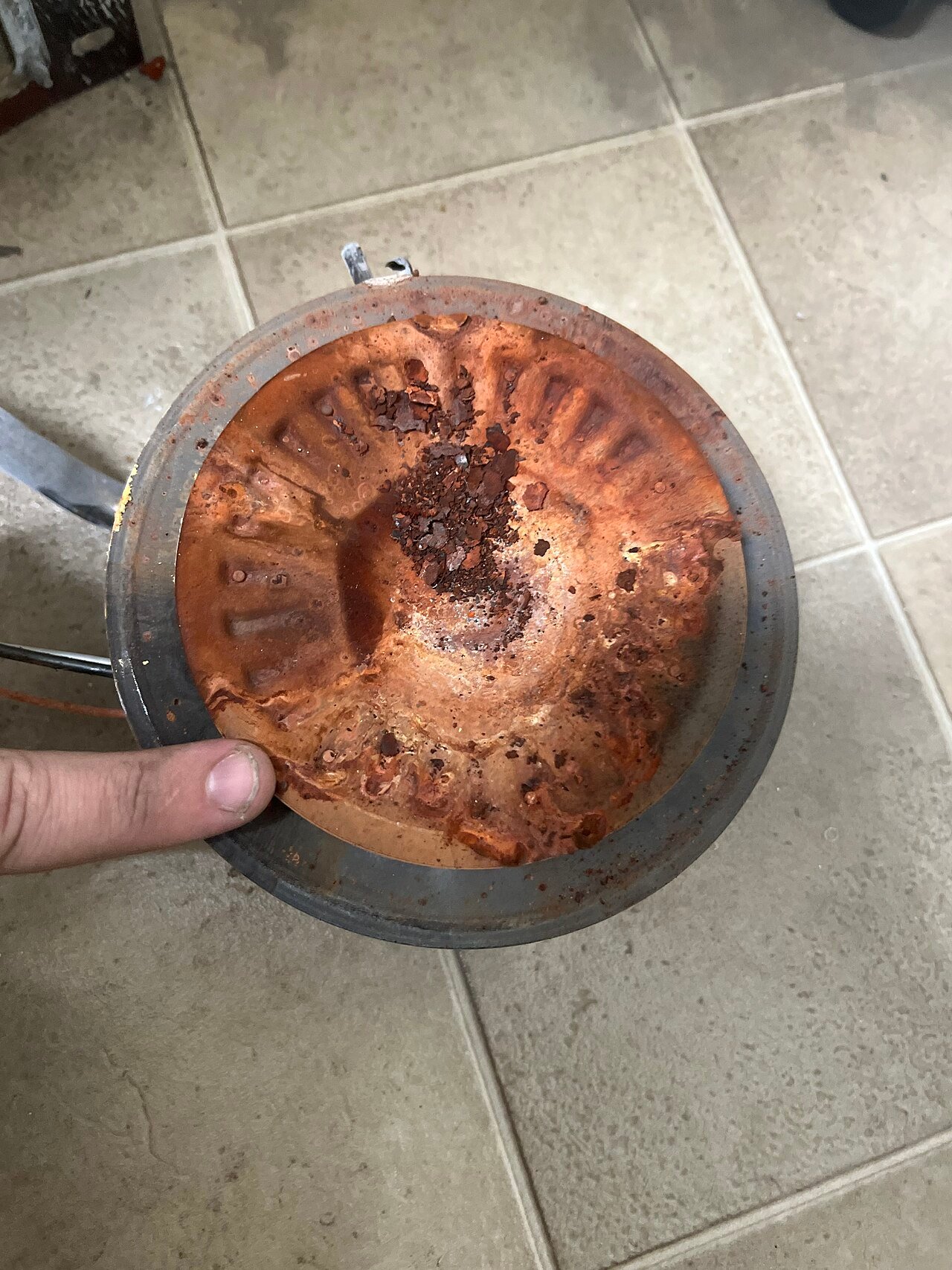
- Rusty or discoloured hot water. If hot water runs rusty while cold water runs clear, the tank interior — not your supply pipes — is the likely source, and a spent anode rod is the first suspect.
- A rotten-egg smell from hot taps only. Sulphur bacteria can react with a magnesium anode rod and produce a hydrogen sulphide smell. If the smell comes from hot water but not cold, the rod and tank chemistry are involved; switching rod material (for example, to aluminium-zinc) sometimes helps, but get the tank checked first.
- Rumbling or popping from the tank. Sediment build-up and a failing rod often travel together in an unmaintained heater. Noise alone does not prove the rod is gone, but it means the heater is overdue for service.
- The heater is past 8 years old. A tank heater that has never had a rod replaced and is approaching 10 years is living on borrowed time. Replacing the rod late is still worth doing if the tank is sound, but have a professional judge whether the tank itself is still worth protecting.
How Often Should the Rod Be Replaced?
For most Pittsburgh homes, plan on inspecting the anode rod every 3 years and replacing it every 3–5 years, depending on water chemistry and how much hot water the household uses. Homes with a water softener should check more often — softened water is more aggressive toward anode rods and can cut a rod’s life roughly in half. If you are on a well or have noticeably hard water, ask the technician who services your heater what interval fits your water.
With Pittsburgh’s mild week before the early-November cold, now is a good window for this check — a heater that fails in January fails at the worst possible time.
What Does Replacement Typically Cost?
A replacement rod itself costs roughly $30–$60 for a standard magnesium or aluminium rod, and a professional replacement visit typically runs $150–$300 in total, depending on access, whether the old rod is seized in place, and whether the visit includes a flush or other maintenance. If the rod has corroded solid and the technician has to work to free it, or if ceiling clearance above the heater is too low for a full-length rod and a segmented “flexible” rod is needed, the job takes longer and costs more. These are typical ranges, not quotes — your plumber’s price depends on your heater and your home.
The DIY Question: Can You Replace It Yourself?
A handy homeowner with clearance above the heater can replace a rod in under an hour: isolate power or gas and the cold-water supply, drain a few gallons, unscrew the old rod, seal the new one’s threads, and reinstall. But rods often seize solid after years in place, gas controls are not a beginner task, and a rod that snaps inside the tank creates a bigger problem. Check warranty terms first — some require professional service records.
If anything about the job feels uncertain, or if the tank already shows rust, leaks, or a swollen appearance, skip the DIY attempt and call for water heater repair in Pittsburgh to assess whether the tank is still worth saving.
FAQ
How do I know if my water heater even has an anode rod?
Almost every tank-style heater does — it is screwed into the top of the tank, usually under a plastic cap, sometimes combined with the hot-water outlet. Tankless heaters do not have one, which is one maintenance difference between the two types.
Does replacing the rod void my warranty?
No — in fact, several manufacturers require periodic anode rod inspection to keep the warranty valid. Keep the receipt and note the date, and check your model’s manual for its specific interval.
Can a new rod fix rusty water?
It can help if the rust is early and the tank interior is not yet badly pitted, but it cannot undo advanced corrosion. If rusty hot water persists after a rod replacement and a flush, the tank itself is likely failing.
A water heater is one of the few appliances that quietly destroys itself when a $50 part is ignored. Check the rod’s age, watch for the signs above, and if the tank is leaking, the floor around it is wet, or hot water has stopped altogether, shut off power or gas and water to the unit and call emergency plumbing services in Pittsburgh right away — and if a damp patch or a rising bill suggests a hidden leak elsewhere, leak detection can find it before it spreads. A planned rod replacement beats an emergency heater replacement every time.
Have a Plumbing Problem?
From drain and sewer problems to water heaters, hidden leaks and septic services, get professional help from Man Made Services.