Lead Water Lines in Pre-1950 Pittsburgh Homes: What PWSA’s Replacement Work Means for You
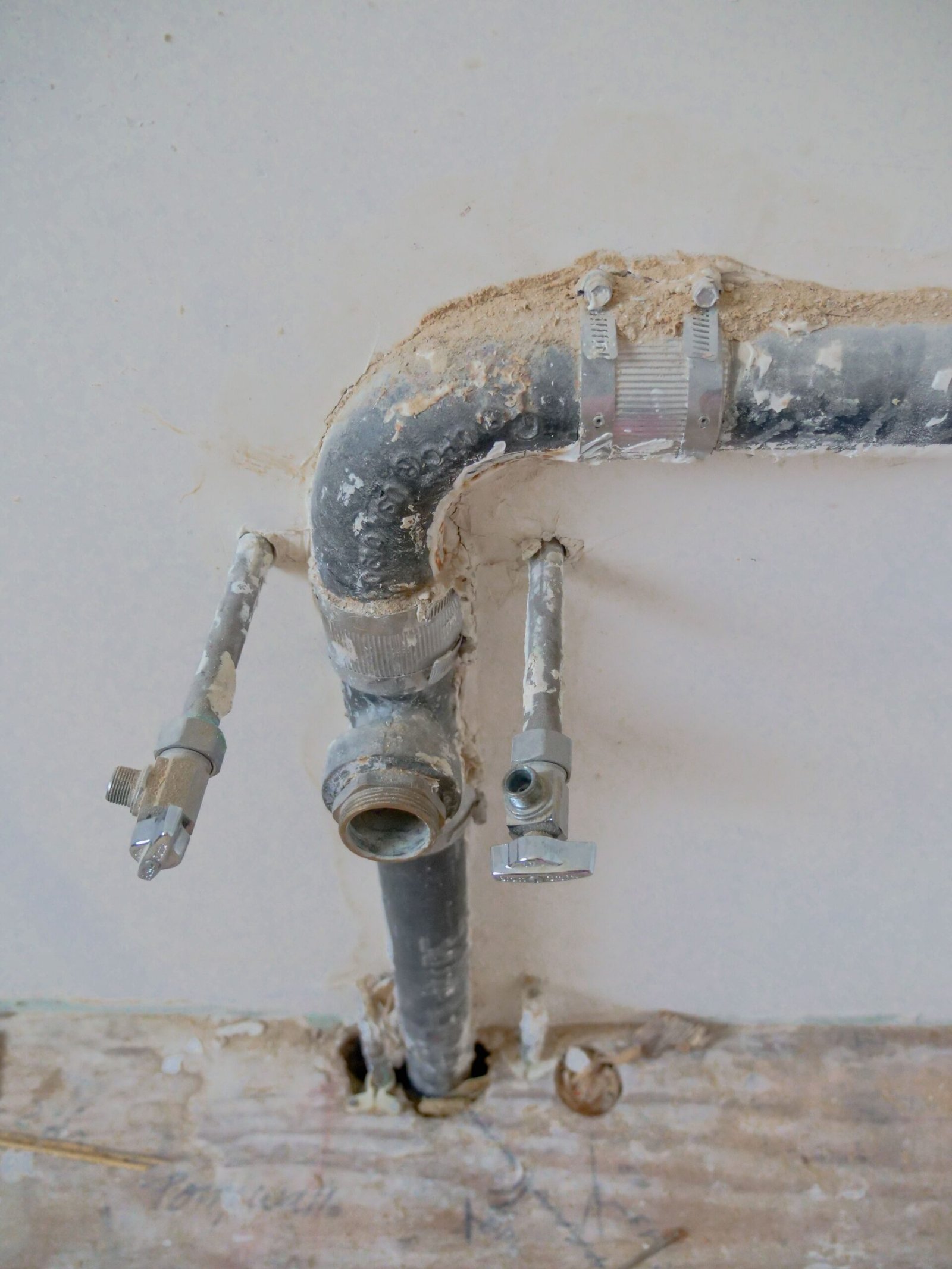
If your Pittsburgh home was built before 1950, there is a real chance the pipe bringing drinking water into it is made of lead — and lead water lines Pittsburgh homeowners often don’t know they have until a replacement crew, a home inspection, or a water test brings it up. Pittsburgh’s housing stock is among the oldest in the country, and the city’s water authority has spent years working through a neighborhood-by-neighborhood program to find and replace those lines. Here’s how to check your home, what the replacement program actually covers, and what to do while you wait.
Lead Water Lines Pittsburgh: Why Pre-1950 Homes Are Most at Risk
Lead service lines were standard practice for decades before builders switched to copper and plastic. A service line is the pipe that runs from the street main to your house, and it has two sides: the public side, owned by the water authority, and the private side, which runs from the curb or property line into your home and is the homeowner’s responsibility. In older Pittsburgh neighborhoods, either side — or both — can still be lead. Health authorities say there is no safe level of lead exposure, and young children and pregnant people are the most vulnerable, which is why finding and replacing a lead line matters even when the water looks and tastes fine.
How to Check Whether Your Home Has a Lead Line
You can start with three free checks before calling anyone:
1. The scratch-and-magnet test. Find where the water line enters your home, usually in the basement near the front wall. Gently scratch the pipe with a coin: lead is dull gray and scratches to a shiny silver color, and a magnet will not stick to it. Copper is reddish-brown, and galvanized steel is gray but magnetic. This test is a useful clue, not a diagnosis — if the pipe is painted or hard to reach, don’t force it.
2. Pittsburgh Water’s records and project map. Pittsburgh Water (PWSA) keeps service-line material records and publishes an interactive project map showing streets slated for replacement. Checking your address there tells you whether your line is recorded as lead, unknown, or already replaced, and whether your street is in a scheduled construction area.
3. A lead water test. PWSA offers free lead test kits, and you can also have a sample tested by a certified lab. A test measures lead in your water at the time of sampling; it does not identify the pipe material by itself, so pair it with the records check above. If your home has a lead line, a test also gives you a baseline to compare against after replacement.
If all three checks are inconclusive, a plumber can identify the material during a visit and confirm whether the private side is lead, galvanized, or copper.
What PWSA’s Replacement Work Means for Homeowners
Pittsburgh Water has replaced nearly 29,000 public and private lead service lines so far, working neighborhood by neighborhood, and says roughly 8,300 properties still need to be checked. The program’s stated goal is to replace all remaining residential lead lines by the end of 2027, with roughly 2,500 to 4,000 additional public lines — and a similar number of private lines — expected during 2027. Those figures change as inspections come in, so treat them as the program’s current direction, not a promise for your street.
What this means in practice depends on where your home sits in the schedule:
- If your street is in a scheduled replacement area, crews typically replace both the public and the private side of the line, with restoration of disturbed ground included. Homeowner approval and coordination are required for the private side, so expect a site visit and paperwork before work starts.
- If your street is not yet scheduled, you don’t have to wait for the crews. PWSA’s Lead Line Reimbursement Program reimburses customers up to 100% of eligible costs when they hire a private plumber to replace a private-side lead line, with the percentage depending on income level. Check the current eligibility rules before hiring — reimbursement is tied to using an approved process, not just any replacement.
- If your line’s material is recorded as unknown, the inspection step comes first. Crews or a plumber verify the material before any replacement is scheduled, which is why the records check above is worth doing now rather than during a sale or renovation.
One caution worth knowing: replacing only part of a lead service line — the public side but not the private side, or vice versa — can temporarily disturb the remaining lead and raise lead levels for a period. If any replacement is proposed for your home, ask directly whether the work covers the full line, and what flushing and testing follow-up is included.
What to Do While You Wait for Replacement
A scheduled replacement can be months away, and an unscheduled one longer. In the meantime, standard guidance for homes with lead lines is straightforward: use only cold water for drinking and cooking (hot water dissolves more lead), run the tap for 30 seconds to 2 minutes after water has sat unused for several hours, and consider a filter certified to remove lead for drinking water. Keep the filter maintained — an expired cartridge stops protecting you. If you have young children in the home, talk to your pediatrician about lead screening and get your water tested so you have real numbers, not guesses.
Replacement Day: What the Work Looks Like
Most lead line replacements in Pittsburgh use trenchless methods, which means the new line is pulled through with minimal digging rather than an open trench across your yard. The job typically takes a day, water is shut off for part of it, and the crew restores the surface afterward. After replacement, follow the flushing instructions you are given and retest the water — new copper or plastic lines should end the lead source from the service line, though older indoor plumbing and fixtures can still contribute small amounts, which is another reason a post-replacement test is worth it.
When to Call a Plumber Instead of Waiting
Call for main water line replacement advice if your records check shows a private-side lead line and your street isn’t scheduled, if a home inspection flags an unknown or lead service line during a purchase, or if a water test comes back elevated. A plumber can confirm the material, explain the private-side replacement process and the reimbursement paperwork, and coordinate timing so you aren’t left with a partial replacement. And if you ever have an active leak or a burst line, that is a different job entirely — an emergency plumber in Pittsburgh is the call, not a scheduled replacement crew.
FAQ
How do I know if my Pittsburgh home has a lead water line?
Check PWSA’s service-line records and project map for your address, do the scratch-and-magnet test where the line enters your home, and request a free lead test kit. If the material is still unknown, a plumber can verify it on site.
Does PWSA replace the private side of a lead line for free?
In scheduled neighborhood replacement areas, crews replace both public and private lines. Outside those areas, the Lead Line Reimbursement Program can reimburse up to 100% of eligible private-side replacement costs depending on income — check current eligibility before hiring a plumber.
Is it safe to drink the water while I wait for replacement?
Use cold water for drinking and cooking, flush the tap after long periods of non-use, and consider a lead-certified filter. Get your water tested so your decisions are based on your home’s actual levels, and ask your pediatrician about screening if young children live there.
Will replacing only the public side fix the problem?
Not fully — and a partial replacement can temporarily increase lead levels. Ask whether the work covers the full service line, and confirm what flushing and retesting follow the job.
Finding out you have a lead line is unsettling, but it is also a solvable problem with a program actively working through Pittsburgh street by street. Check your records this mild week, while scheduling is a routine task rather than a rushed one, and pair the check with the rest of our Pittsburgh winter plumbing checklist so the whole system gets looked at before winter. If your private side needs replacing outside a scheduled area, start with the reimbursement rules, then get main water line replacement priced properly — full line, flushing, and a retest included.
Have a Plumbing Problem?
From drain and sewer problems to water heaters, hidden leaks and septic services, get professional help from Man Made Services.