Pittsburgh Winter Plumbing Checklist: 10 Steps to Take During This Mild Week
Forecasts call for a mild week in Pittsburgh — highs in the upper 60s and low 70s, lows in the 40s, and only a small chance of rain. That makes this the perfect window to work through a Pittsburgh winter plumbing checklist before the colder weather that typically arrives in early November. Every item below is easier, cheaper, and far less stressful to handle now than during a cold snap, and most take under an hour.
1. Insulate Exposed Pipes
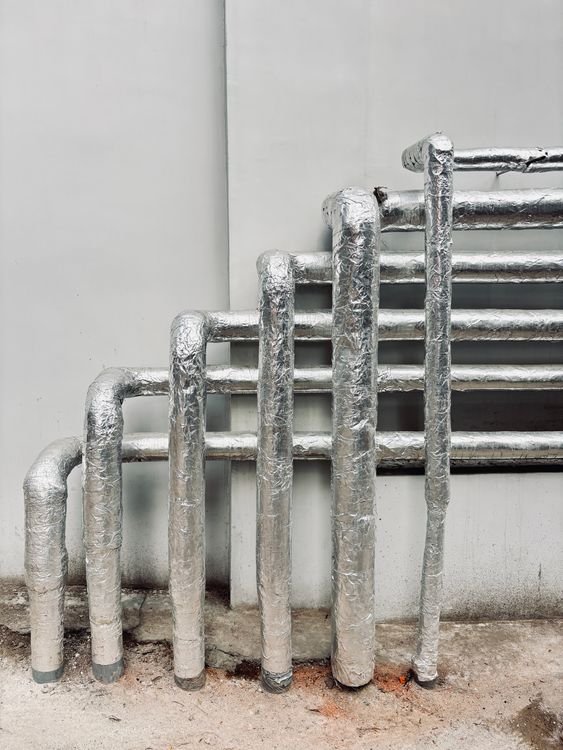
Walk your basement, crawl space, garage, and any unheated utility area and look for exposed water pipes. Foam pipe sleeves cost a few dollars per length and slide on in minutes. Pay special attention to pipes along exterior walls and near foundation vents — these are the first to feel the cold. Insulation is the single highest-return item on this list.
2. Winterize Outdoor Faucets and Hose Bibbs
Disconnect every garden hose, drain it, and store it for winter. A connected hose traps water in the faucet and the pipe behind it, which is a classic freeze-and-split scenario. If your home has interior shut-off valves for the outdoor faucets, close them and open the outside faucets to drain. Frost-free sillcocks still need the hose removed. (See our full guide to winterizing outdoor faucets for step-by-step instructions.)
3. Service the Water Heater Before It Works Its Hardest
Your water heater is about to enter its busiest season — cold incoming water means longer heating cycles all winter. Flush sediment from the tank, test the temperature-and-pressure relief valve, and check the anode rod if the unit is more than a few years old. If the heater is over 10 years old or already struggling, schedule a water heater repair and replacement in Pittsburgh assessment now, while you can choose the timing instead of the heater choosing it for you.
4. Test the Sump Pump
Pittsburgh’s freeze-thaw cycles and late-fall rains put sump pumps to work. Pour a bucket of water into the pit and confirm the pump switches on, discharges properly, and switches off. Check that the discharge line runs clear of
the house and is not blocked by leaves or debris. If the pump hesitates, runs constantly, or makes grinding noises, read our guide to sump pump failure signs — a failed pump during a wet cold snap floods basements fast.
5. Know Your Main Water Shut-Off Valve
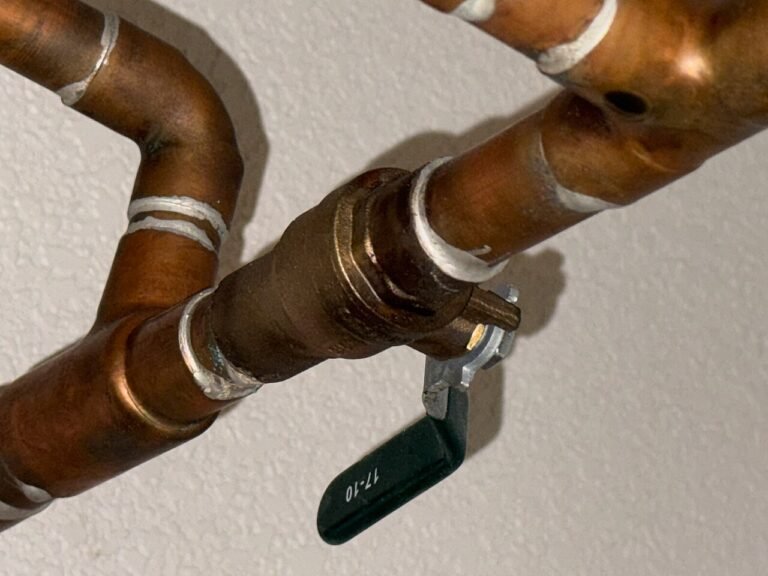
Find the main shut-off valve now, not during an emergency. Turn it once to make sure it actually moves — valves that sit untouched for years can seize. Label it so every adult in the household can find it in the dark. If it is stuck or corroded, have it replaced before winter; a working shut-off is the difference between a small leak and a flooded floor.
6. Seal Drafts Around Pipes
Cold air reaching pipes through gaps is what freezes them. Caulk or foam-seal the openings where pipes pass through exterior walls, foundation, and sill plates, especially in the basement and garage. While you are there, check that crawl-space vents that can be closed for winter are closed, and that garage doors seal properly.
7. Schedule Septic Pumping If You Are Due
If your household is on a septic system and you are near the 3–5-year pumping interval, get it done before the ground firms up and the holidays fill the house with guests. A full tank plus a house full of visitors is a backup waiting to happen. Our guide to septic services in Pittsburgh covers pumping intervals and warning signs.
8. Clear Drains and Gutters Before the Holidays
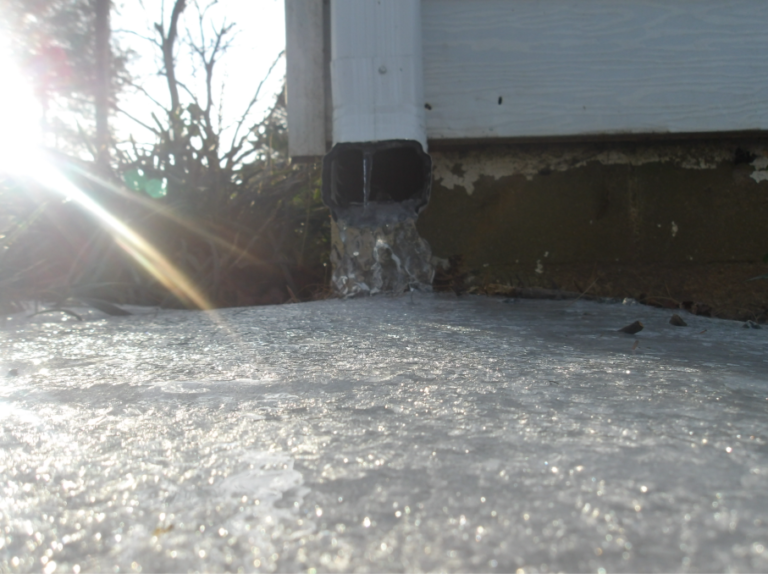
Slow drains now become backups when holiday cooking and houseguests add load. Clear hair and grease buildup from sink and shower drains, and make sure gutters and downspouts drain away from the foundation — water pooling at the foundation finds its way into basements. If a drain keeps slowing down, professional drain cleaning services with a camera inspection will find the real cause.
9. Check Washing Machine Hoses
Rubber washing-machine hoses age out after about five years and are one of the most common sources of indoor flooding. Swap them for braided stainless-steel hoses — a 15-minute job that prevents a very expensive failure. Check the connections for drips while you are there.
10. Save an Emergency Plumber’s Number
Even with perfect prep, winter surprises happen. Save the number of an emergency plumber in Pittsburgh in your phone now, along with the location of your shut-off valve. When a pipe bursts at 2 a.m., you will not want to be searching for a number.
Pittsburgh Winter Plumbing Checklist — Quick Reference
Insulate exposed pipes | 30–60 min | Prevents the most common winter failure.
Winterize outdoor faucets | 15 min | Hose bibbs split when hoses stay attached.
Water heater service | 1 hour | Cold inlet water = hardest working season.
Test sump pump | 10 min | Freeze-thaw + rain = basement flood risk.
Locate/test shut-off valve | 5 min | Limits damage if anything does leak.
Seal pipe drafts | 30 min | Cold air, not cold water, freezes pipes.
Septic pumping if due | 1–2 hours | Guests + full tank = backup risk.
Clear drains and gutters | 30 min | Holiday load exposes slow drains.
Replace washer hoses | 15 min | Old rubber hoses are a top flood source.
Save emergency number | 2 min | No searching during a 2 a.m. emergency.
FAQ
Q: When should I start winter plumbing prep in Pittsburgh?
A: As soon as the forecast shows a mild stretch in late October — like this week — and before sustained below-freezing nights arrive, which typically happens in November. Doing it during mild weather is easier and lets you book a plumber on your schedule, not in an emergency queue.
Q: Do I really need to disconnect garden hoses for winter?
A: Yes. A connected hose traps water in the faucet and the supply pipe behind the wall. When that water freezes it expands and can split the pipe inside the wall, where the leak may go unnoticed until spring — or until it floods the basement.
Q: What temperature do pipes start freezing?
A: Uninsulated pipes in unheated spaces can freeze when temperatures drop into the 20s °F, and the risk rises sharply with wind chill and drafts. Insulation and sealing drafts push that threshold far lower, which is why those two steps top this checklist.
Q: Should I leave faucets dripping on cold nights?
A: A slow drip on a faucet served by an exposed pipe can help during a hard freeze, but it is a last resort, not a plan. Insulation, draft sealing, and proper winterizing are far more reliable — and they do not waste water all winter.
Work through this checklist during the mild week and your plumbing enters winter prepared instead of hoping for the best. If anything on the list turns up a problem — a stuck shut-off valve, a struggling water heater, a sump pump that hesitates — get it fixed now, while the weather and the schedule are still on your side.
Have a Plumbing Problem?
From drain and sewer problems to water heaters, hidden leaks and septic services, get professional help from Man Made Services.