Pipe Burst? 7 Emergency Steps to Take Before Your Plumber Arrives
A Burst Pipe Is a Race Against the Clock
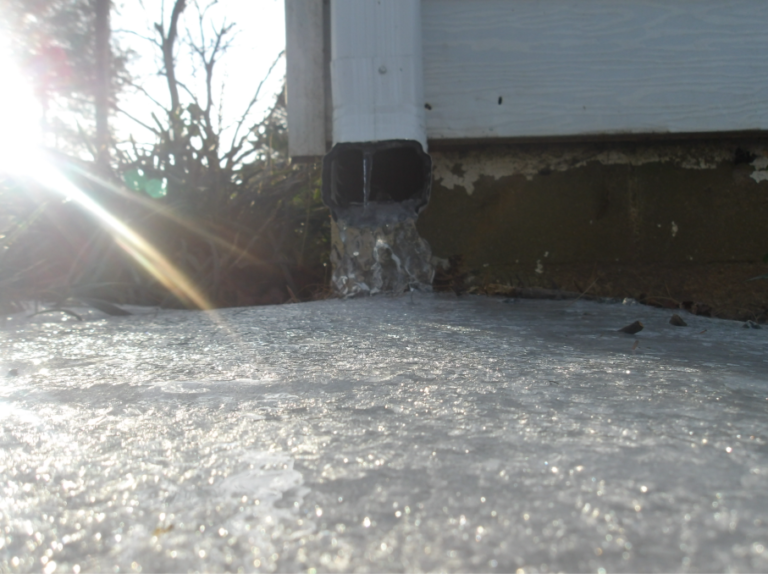
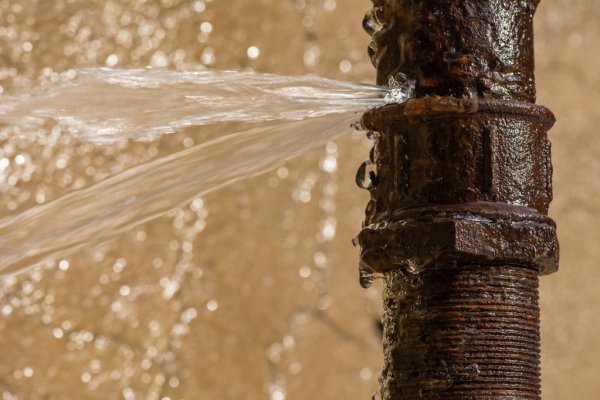
A burst supply pipe can release a startling amount of water very quickly — enough to soak drywall, buckle flooring, and reach electrical outlets within minutes. In Pittsburgh, where so many homes have aging galvanized or copper supply lines, bursts are most common during hard winter freezes, but they can also come from corrosion, high water pressure, or a pipe that’s simply reached the end of its life.
If it happens to you, don’t panic and don’t wait for the cavalry to figure out what to do. Here are the seven steps to take in the first minutes — they’ll limit the damage more than anything else you can do.
1. Shut Off the Main Water Supply — Immediately
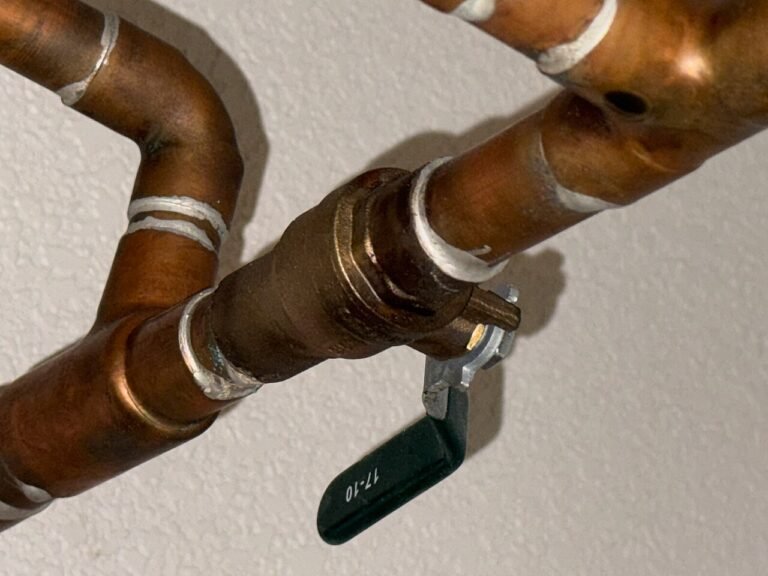
This is the single most important step. Find your main shutoff valve — in most Pittsburgh homes it’s in the basement near the water meter, or where the main line enters through the foundation wall — and turn it fully clockwise. This stops water feeding the burst pipe. If you rent or don’t know where the valve is, call the property owner right away, but still look: the valve is usually a round wheel or a lever handle on a pipe coming through the basement wall or floor.
2. Turn Off the Water Heater and Electricity in the Affected Area
If the burst pipe feeds your water heater, or if water is flowing near the heater, turn the heater off (gas or electric). If water is reaching electrical outlets, switches, or your breaker panel, turn off the power to that area at the breaker box — and never step into standing water to reach an electrical panel. If you’re unsure, stay out and wait for help.
3. Open Faucets to Drain the Remaining Water
Once the main valve is off, open the cold-water faucets on the lowest floor of the house to drain pressure from the system, plus a couple of upstairs faucets to let air in. Flush toilets to empty their tanks. This relieves the remaining pressure and reduces continued leaking from the burst.
4. Contain the Water You Can’t Stop
Use towels, mops, and buckets to corral the water while you wait. Move furniture, rugs, electronics, and anything valuable out of the water’s path and upstairs if possible. For carpet, roll it back from the wet area. These simple containment moves often save thousands in flooring and furniture damage.
5. Call an Emergency Plumber
Once the water is off and contained, call for professional help. Our emergency plumbing services cover burst pipes, major leaks, and flooding across Pittsburgh and nearby communities. When you call, be ready to describe: where the burst is, what kind of pipe it looks like (copper, galvanized, plastic), and how long the water was running. That helps the plumber arrive with the right materials.
6. Document the Damage for Insurance
Take photos and video of the burst pipe, the water’s path, and everything it touched before you start cleaning up. Insurance adjusters work from documentation, and “it was worse before” doesn’t photograph well. Keep receipts for any emergency purchases like wet-dry vacuum rentals or fans.
7. Start Drying Out — Mold Starts Fast
Mold can begin growing on wet drywall and wood within a day or two, especially in a damp basement. Open windows if the weather allows, run fans and a dehumidifier, and pull wet materials (carpet padding, soaked drywall) away from structures so air can circulate. A professional can also check whether water reached areas you can’t see — our leak detection work often follows a burst-pipe repair for exactly this reason.
What NOT to Do
- Don’t keep using electrical outlets or appliances in the wet area until everything is fully dry.
- Don’t turn the main water back on to “test” whether it’s still leaking — wait for the plumber.
- Don’t ignore a small burst. Even a pinhole leak under pressure can do serious damage over hours.
After the Repair: Prevent the Next One
Ask your plumber why the pipe failed. If it was freezing, exposed pipes need insulation. If it was corrosion, neighboring sections of the same pipe run may be on the same timeline — worth inspecting before they go too. For older Pittsburgh homes with original plumbing, a whole-system inspection is often the most cost-effective move. Man Made Services can help — reach out through our contact page once the emergency is over and we’ll help you make sure it doesn’t happen again.
Burst Pipe Emergency FAQ
How fast can a burst pipe damage a home?
Very fast — pressurized supply lines can soak drywall and flooring within minutes. That’s why shutting off the main valve is always step one.
Where is the main water shutoff in most Pittsburgh homes?
Usually in the basement near the water meter, or where the main line enters through the foundation wall. It’s worth locating yours before an emergency happens.
Should I call a plumber for a small pinhole leak?
Yes. A pinhole leak under household water pressure can spray or drip for hours, causing the same damage as a bigger burst over time.
Will my homeowner’s insurance cover burst-pipe damage?
Sudden and accidental bursts are typically covered by standard homeowner’s policies, but coverage varies — document everything and check with your insurer promptly.
Have a Plumbing Problem?
From drain and sewer problems to water heaters, hidden leaks and septic services, get professional help from Man Made Services.