Sewer Line Repair in Pittsburgh: Warning Signs & Repair Options
Your main sewer line is the one pipe you never think about — until every drain in the house starts misbehaving at once. Sewer line repair in Pittsburgh is one of the most consequential plumbing jobs a homeowner can face, because this single pipe carries all your wastewater to the city main. The good news: modern diagnosis and repair methods mean you can often fix it without destroying your yard. Here’s how to recognize trouble early and what your options are.
Sewer Line Repair in Pittsburgh: The Warning Signs
A single slow drain usually means a local clog. But when several fixtures misbehave together, suspect the main line. Watch for these red flags:
- Multiple slow drains — the tub, toilet, and basement floor drain all draining sluggishly at the same time.
- Sewage odors — persistent rotten-egg or sewage smells from drains or in the yard, especially near the cleanout.
- Gurgling sounds — toilets or drains that gurgle when another fixture is used, a classic sign of a struggling main line.
- Backups in the lowest fixture — sewage appearing in a basement floor drain or shower when you flush upstairs means the blockage is downstream of everything.
- Soggy or sunken patches in the yard — a leaking sewer line fertilizes (and then drowns) the grass above it. An unusually lush green stripe across the lawn is a telltale sign.
- Frequent clogs that keep coming back — if drain cleaning services clear the line but the problem returns within months, the pipe itself is likely damaged, not just clogged.
Any one of these deserves a professional look. Sewer problems never improve on their own — they only get more expensive.
How Pros Diagnose Sewer Line Problems
Guessing is over. A proper diagnosis starts with a sewer camera inspection: a waterproof camera on a flexible cable is fed through the cleanout, giving a live video view of the pipe’s interior. This reveals exactly what’s wrong and where — tree root intrusion, cracks, offset joints, bellies (low spots where waste collects), scale buildup, or a fully collapsed section — and pinpoints its location and depth.
This matters because the repair method depends entirely on the diagnosis. Roots in one joint need a different fix than a collapsed 30-foot run. Any sewer line repair quote that isn’t based on camera footage is a guess — insist on seeing the video yourself. Reputable companies show you the problem on screen and mark its location in your yard before discussing options.
Sewer Line Repair Methods: Trenchless vs. Traditional
Once the camera shows the damage, you’ll typically be offered one of these approaches:
Spot repair
When the damage is confined to one short section — a single cracked joint, one root intrusion point — the plumber excavates just that spot and replaces the bad segment. Minimal digging, lowest cost, and often all that’s needed.
Trenchless pipe lining (CIPP)
A resin-saturated liner is inverted into the existing pipe and cured in place, creating a smooth new pipe inside the old one. No trench across your yard, usually completed in a day, and the liner typically carries a long warranty. Best for cracked or root-damaged pipes that are still structurally intact enough to host the liner.
Trenchless pipe bursting
A bursting head is pulled through the old pipe, fracturing it outward while towing a brand-new pipe into place behind it. This actually replaces the pipe — including upsizing if needed — with only small entry and exit pits dug. Ideal for severely damaged or undersized lines where lining won’t work.
Traditional open-cut replacement
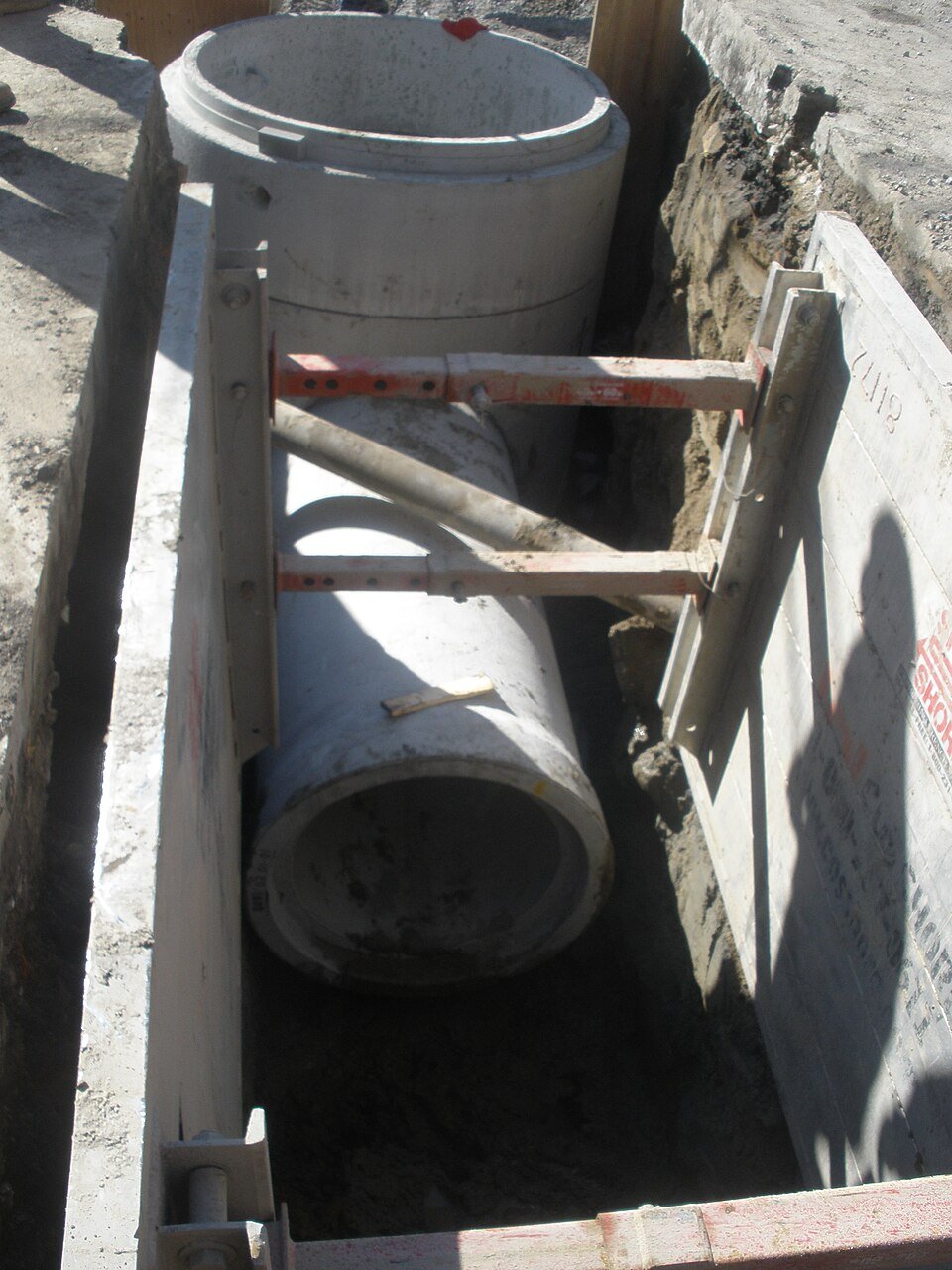
The classic method: excavate the full length of the failed line and lay new pipe. It’s the most disruptive — driveways, landscaping, and patios in the path get torn up — but sometimes it’s the only option, such as when the line has lost its proper slope (a “belly” that lining can’t fix) or runs under structures. In Pittsburgh’s older neighborhoods with deep lines and rocky soil, this is still common.
A trustworthy contractor explains which methods your specific situation qualifies for and why — not just the one they prefer selling. See our Our Services overview for how these fit into a full plumbing plan.
Pittsburgh-Specific Factors That Affect Your Sewer Line
Pittsburgh’s housing and landscape create a perfect storm for sewer trouble. Much of the city’s housing stock predates 1960, and many of those homes still have original clay tile or Orangeburg (bituminous fiber) sewer laterals — materials with a 50-to-70-year lifespan that are now living on borrowed time. Add Pittsburgh’s mature street trees, whose roots aggressively seek out the moisture in old clay joints, plus freeze-thaw soil movement on the region’s hillsides, and you get one of the highest sewer-failure rates of any older American city.
Local note: in the City of Pittsburgh, sewer lateral repairs typically require a permit and inspection, and the homeowner is generally responsible for the lateral from the house to the city main (including the portion under the street or sidewalk in many cases). Your contractor should handle the permit — confirm that before work starts, and confirm who’s responsible for restoring sidewalks or street cuts.
What Sewer Line Repair Costs (and What Drives It)
Costs vary enormously — a simple spot repair and a full 60-foot replacement are different universes — so be wary of anyone quoting firm numbers over the phone. The main cost drivers are: the length and depth of the line (deeper = more excavation), the repair method (trenchless usually costs more per foot but saves on landscape restoration), obstacles in the path (driveways, patios, mature trees, utility lines), and permit and restoration fees. Always get a written quote based on camera footage, and ask whether it includes surface restoration — a cheap pipe quote that leaves your yard as a trench isn’t cheap.
Frequently Asked Questions
How do I know if I need sewer line repair or just drain cleaning?
If one fixture is slow, it’s usually a local clog that drain cleaning handles. If multiple fixtures back up together, you smell sewage, or clogs keep returning after cleaning, the main line itself is likely damaged and needs camera diagnosis and repair.
Can a sewer line be repaired without digging up my yard?
Often, yes. Trenchless methods — pipe lining and pipe bursting — fix or replace the line through small access pits. They’re not suitable for every situation (collapsed lines with lost slope usually need excavation), but camera inspection will show whether you qualify.
How long does sewer line repair take in Pittsburgh?
Spot repairs and trenchless jobs are typically completed in one to two days. Full traditional replacements can take three to five days including excavation, pipe laying, inspection, and backfill — plus separate time for surface restoration like concrete or landscaping.
Who is responsible for the sewer lateral in Pittsburgh?
Generally the homeowner, from the house all the way to the city main — often including the section under the sidewalk or street. Permit requirements apply, so confirm your contractor pulls the permit and schedules the inspection. Reach us via our contact page or email and we’ll walk you through what’s needed.
Bottom line: catch sewer trouble at the warning-sign stage and you may only need a spot repair. Ignore it and you’re looking at a full replacement. If your drains are telling you something, listen — then call Man Made Services for a camera inspection before it becomes an emergency.
Have a Plumbing Problem?
From drain and sewer problems to water heaters, hidden leaks and septic services, get professional help from Man Made Services.