Sewer Line Replacement Cost in Pittsburgh: 2026 Prices, Methods & What Drives the Bill
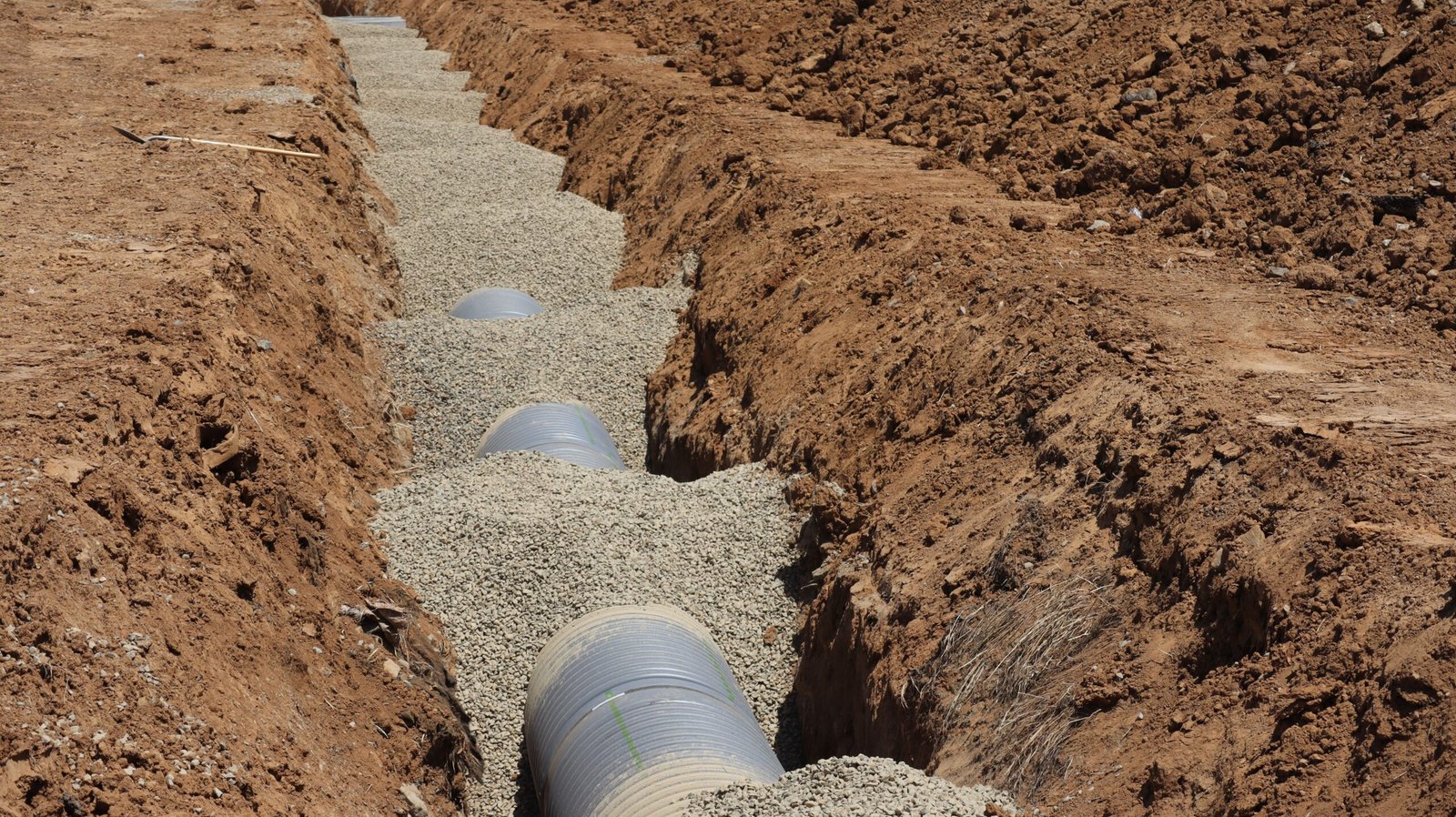
When a sewer line is cracked, root-packed, or collapsed, the first question is always the price. Based on Angi’s 2026 national cost data, sewer line replacement typically runs $50–$250 per linear foot depending on the method — which puts a full replacement for a typical Pittsburgh home broadly in the $3,000–$15,000+ range, with the final number driven more by depth, length, and access than by the pipe itself. Here is how the methods compare, what pushes a job toward the top of the range, and how to avoid paying for replacement when a repair would do.
Sewer Line Replacement Cost by Method (2026)
| Method | Typical cost per linear foot |
|---|---|
| Traditional dig-and-replace (complete) | $60–$250 |
| Partial replacement (damaged section only) | around $50 |
| Trenchless pipe bursting | $60–$200 |
| CIPP lining (cured-in-place pipe) | $90–$250 |
| Excavation alone (access, before pipe work) | $50–$200 |
| Section under concrete slab/driveway | $300–$350 |
Ranges: Angi, “How Much Does Sewer Line Replacement Cost? [2026 Data]”. These are national ranges, not quotes — your Pittsburgh job is priced after a camera inspection locates the damage.
What a Full Replacement Looks Like on a Typical Pittsburgh Lot
Most Pittsburgh homes have 40–80 feet of lateral running from the house to the street main, often buried deeper than in warmer regions because of the frost line. At the per-foot ranges above, a 50-foot traditional replacement can land anywhere from about $3,000 to $12,500 — which is why two neighbors can get quotes thousands of dollars apart and both be legitimate. The difference is almost never the pipe. It is what sits on top of it and how deep it lies.
6 Factors That Drive Sewer Replacement Cost in Pittsburgh
1. Length and depth of the run. Cost is priced per foot, and deeper lines cost more to reach. Pittsburgh’s older neighborhoods often have laterals 6–10 feet down, and hillside lots can be deeper still.
2. Method: digging vs. trenchless. Traditional excavation has lower equipment costs but adds restoration — lawn, landscaping, sometimes driveway or sidewalk. Trenchless methods (pipe bursting or CIPP lining) limit digging to one or two access pits, which often wins when the surface above the line is finished. A collapsed or badly bellied pipe may not qualify for lining — the camera decides.
3. What is above the line. A line under open lawn is the cheapest case. The same line under a driveway, retaining wall, or mature tree can add thousands in excavation and restoration; a section under concrete can reach $300–$350 per foot on its own.
4. Pipe material and condition. Much of Pittsburgh’s housing stock still runs on clay tile or cast iron laterals from the 1940s–1960s. Root intrusion at clay joints is the most common failure we see; a line that has failed in one spot but is sound elsewhere may only need a partial replacement at the lowest per-foot rate.
5. Permits and inspections. Sewer work in Allegheny County requires permits and inspection, and dye tests are part of many local property transfers. Budget for permit costs and do not hire anyone who suggests skipping them.
6. Cleanup and interior damage. If the line failed inward — a basement backup — cleanup is a separate cost from the pipe work itself, and it grows the longer sewage sits. Stopping the backup comes first; the replacement decision comes after the camera inspection.
Repair, Partial Replacement, or Full Replacement?
Not every bad sewer line needs to come out. The honest sequence is: camera inspection first, then the least invasive fix that actually solves the problem. A single root mass at one joint usually means a spot repair or partial replacement. A line with cracks and root intrusion along most of its length is a full-replacement conversation — repeated drain cleaning bills on a line like that are money spent not fixing the problem. And if the pipe still has sound structure but leaks at the joints, CIPP lining can renew it from the inside without a trench.
Does Homeowners Insurance Cover Sewer Line Replacement?
Usually not the pipe itself: standard policies typically treat roots, corrosion, and gradual collapse as maintenance. Some policies and endorsements cover the resulting water-backup damage inside the home, and separate service-line coverage exists as an add-on in many markets. Keep the camera video and invoices either way, and ask your insurer specifically about water-backup and service-line endorsements — but do not let a coverage question delay stopping an active backup.
How to Keep the Bill Down
- Get the camera inspection before any quote. A price given without footage is a guess, and guesses get revised upward mid-job.
- Ask for the footage. You should see the roots, cracks, or collapse you are being asked to pay to fix.
- Compare methods, not just totals. Ask what trenchless would cost on the same line before committing to a full dig.
- Act on the first recurring backup. Lines do not heal; a second and third backup are the expensive way to arrive at the same replacement.
Dealing with recurring backups or a camera report you want a second opinion on? Man Made Services handles sewer line inspection, repair, and replacement across Pittsburgh — email support@manmadeservices.net or book an appointment and we will walk through what your line actually needs.
Not every slow drain means a line replacement — most everyday blockages are cleared with routine drain cleaning in Pittsburgh, which is worth ruling out before budgeting for a full replacement.
Have a Plumbing Problem?
From drain and sewer problems to water heaters, hidden leaks and septic services, get professional help from Man Made Services.