Tankless vs. Tank Water Heaters: Which Is Right for Pittsburgh Homes?
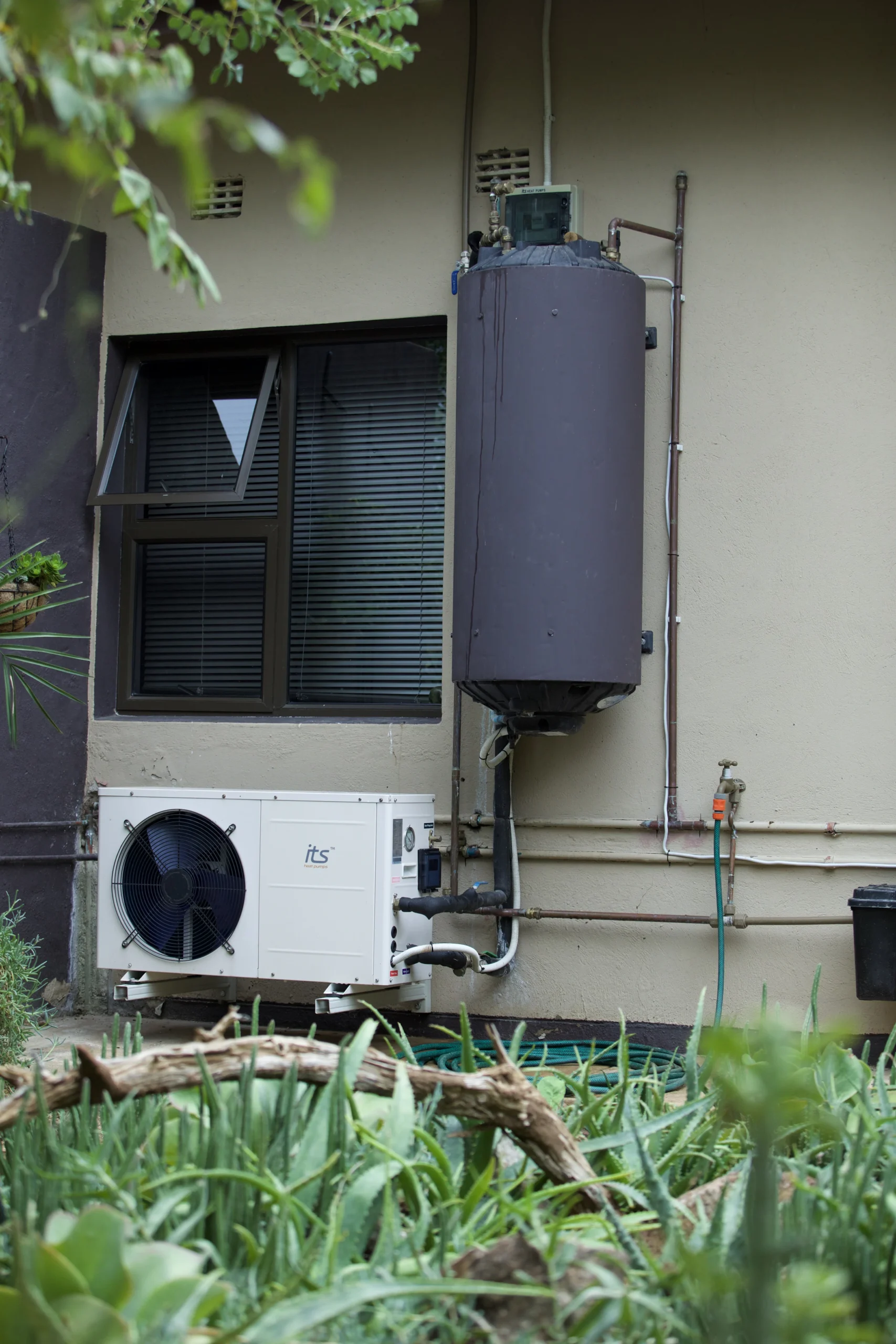
If your water heater is aging out, you’re really choosing between two very different machines. The short answer on tankless vs tank water heater for Pittsburgh homes: a traditional tank heater costs less upfront and suits most older homes as-is, while a tankless unit costs more to install but wins on energy bills and lifespan — if your home’s gas line and venting can support it. Here’s the full comparison.
Tank vs. Tankless: The Quick Comparison
| Factor | Traditional tank | Tankless |
|---|---|---|
| Typical installed cost | $1,200–$2,500 | $2,500–$4,500 |
| Energy efficiency | 60–70% (standby heat loss) | 80–98% (heats on demand) |
| Lifespan | 8–12 years | 15–20+ years |
| Hot water supply | 40–50 gallons, then recovery wait | Endless (within flow limits) |
| Footprint | Large closet/basement space | Wall-mounted, compact |
Upfront and Installation Costs in Pittsburgh
A tank heater is essentially a swap: remove the old unit, drop in the new one. Most Pittsburgh installations land between $1,200–$2,500 installed, depending on size and fuel type.
Tankless costs more for three reasons: the unit itself is pricier, it often needs a larger gas line or a dedicated electrical circuit, and venting requirements are stricter. Installed, expect $2,500–$4,500 in Pittsburgh. Retrofitting a tankless unit into a home that needs gas-line upgrades can push toward the top of that range — get that assessed before you decide, not after.
Operating Costs & Efficiency
This is where tankless earns back its premium. A tank heater keeps 40–50 gallons hot 24/7, burning energy even when nobody’s home. A tankless unit heats water only when a tap opens, which typically cuts water-heating energy use by 24–34% (per DOE estimates) — meaningful in a climate where the heater works hard all winter. Over a 15–20-year life, many households come out ahead with tankless despite the higher install cost.
How Each Handles Pittsburgh Winters
Pittsburgh’s cold groundwater (often in the 40s °F in winter) is the real test for tankless units. Cold incoming water means the unit must work harder to reach your set temperature, which can reduce its effective flow rate — a unit rated for 9 gallons per minute in mild climates may deliver 5–6 GPM in a Pittsburgh January. That’s still plenty for most homes, but if you run two showers plus a dishwasher simultaneously, sizing matters. Have the installer size the unit for winter groundwater temperatures, not summer ones. Tank heaters don’t have this problem — the stored water is always hot — but they do recover more slowly when the incoming water is frigid.
Lifespan and Maintenance
- Tank heaters (8–12 years): flush sediment annually, test the TPR valve, and replace the anode rod every 3–5 years — the rod is what keeps the tank from rusting through. Pittsburgh’s moderately hard water makes annual flushing especially worthwhile.
- Tankless (15–20+ years): no tank to rust, but the heat exchanger needs descaling roughly once a year — critical in harder-water areas. Skip descaling and mineral buildup quietly kills efficiency and can void the warranty.
Neither option is maintenance-free. The difference is that tankless maintenance is annual and non-negotiable, while tank maintenance is annual and often ignored until the heater dies.
Tankless vs Tank Water Heater: Which Fits Your Pittsburgh Home?
Go with a tank heater if: your budget is tight, your current setup is already tank-based with no gas/electrical upgrades available, or you plan to move within a few years — you won’t own it long enough to recoup the tankless premium.
Go tankless if: you plan to stay 10+ years, you have (or can afford) the gas/electrical capacity, your hot-water demand is high or unpredictable, or you want the floor space back. Long-term owners almost always come out ahead on total cost.
Either way, have a licensed professional size and install it. An undersized tankless unit or an improperly vented tank heater creates safety problems that dwarf any price difference. For sizing, replacement, or repairs, talk to a water heater repair and replacement in Pittsburgh specialist who handles both types.
FAQ
Can a tankless water heater run my whole house?
Yes, if sized correctly for your home’s simultaneous demand and winter groundwater temperatures. A whole-house gas unit typically covers 2–3 bathrooms; very large homes may need two units or a high-capacity model.
Do tankless water heaters need electricity?
Gas tankless units still need electricity for the controls, ignition, and (usually) the exhaust fan — so they stop working in a power outage unless you add battery backup. Tank heaters with pilot lights can keep some hot water during outages.
Is it worth converting from tank to tankless?
If you’ll live in the home 10+ years, yes for most households — the energy savings and doubled lifespan usually offset the higher install cost. If you’re selling soon, a new efficient tank heater is the better investment.
How do I know my water heater is failing?
Rusty water, rumbling/popping sounds (sediment), water pooling at the base, inconsistent temperature, or age past 10 years (tank) are the classic signs — don’t wait for a flood.
Both systems heat water; they just charge you differently for the privilege. Size for a Pittsburgh winter, get professional installation, and if your current unit is showing its age, schedule a water heater repair and replacement in Pittsburgh assessment before it makes the decision for you — at 2 a.m., in a puddle.
Have a Plumbing Problem?
From drain and sewer problems to water heaters, hidden leaks and septic services, get professional help from Man Made Services.