Water Heater Installation in Pittsburgh: Sizing, Fuel Type & What to Expect
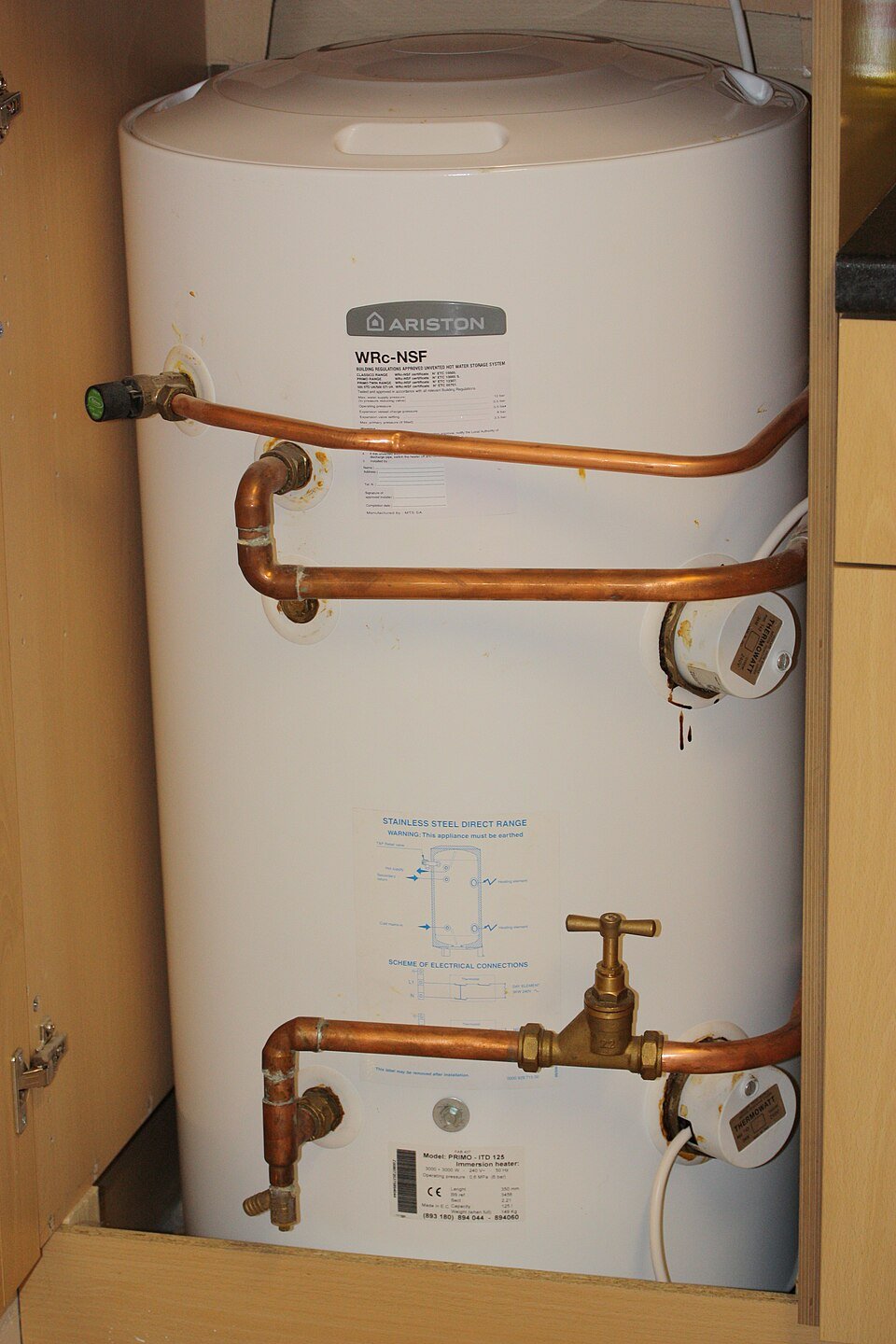
A water heater installation in Pittsburgh is one of the most common plumbing jobs we do — and one of the easiest to get wrong by guessing. The right unit depends on your household size, your fuel options, and where the heater will live. Get it right and you’ll have a decade-plus of reliable hot water; get it wrong and you’ll be taking lukewarm showers by year two. Here’s how to choose wisely and what installation day actually looks like.
Water Heater Installation in Pittsburgh: Sizing It Right
Size is the number-one mistake homeowners make. Too small and you run out of hot water during the morning rush; too big and you’re paying to heat water nobody uses. For traditional tank heaters, use household size as your starting point:
- 1–2 people: 30–40 gallon tank
- 2–4 people: 40–50 gallon tank
- 4+ people: 50–75 gallon tank
Also check the first-hour rating (FHR) on the yellow EnergyGuide label — it tells you how much hot water the unit delivers in a busy first hour, which matters more than tank size alone. A household with teenagers taking back-to-back showers needs a higher FHR than the tank gallons suggest. Pittsburgh-specific wrinkle: incoming groundwater runs cold here in winter (often in the 40s °F), so heaters work harder December through March — sizing slightly up rather than down is the safer bet in our climate.
Gas vs. Electric: Which Fuel Makes Sense in Pittsburgh?
Most Pittsburgh homes have access to natural gas, and where it’s available, gas water heaters are usually the economical pick: they heat water faster (higher recovery rate) and typically cost less to operate month to month. The trade-offs are venting requirements — gas units need proper exhaust venting, which adds complexity if you’re switching fuel types — and a slightly higher upfront installation cost.
Electric water heaters are simpler and cheaper to install: no venting, no gas line, no combustion-air concerns. They’re a natural fit for condos, finished basements without venting routes, or homes without gas service. The downside is slower recovery and, in our region, higher operating costs per BTU than gas. If your electrical panel is already near capacity, the new unit’s circuit requirements need checking before installation day — a good installer verifies this during the quote visit, not after the old unit is already on the truck.
Switching fuel types (gas to electric or vice versa) is possible but adds real cost — new venting or new electrical circuits, sometimes both. Unless you have a strong reason to switch, replacing like-for-like keeps the job simpler and cheaper.
What Installation Day Looks Like
A standard like-for-like replacement typically takes two to four hours. Here’s the sequence:
- Shut down and drain — power or gas to the old unit is disconnected, the water supply is shut off, and the tank is drained (a 50-gallon tank takes a while; pros come prepared with pumps).
- Disconnect and haul away — old connections are cut, the unit is removed, and responsible installers haul it away for recycling rather than leaving it on your curb.
- Set the new unit — the new heater is positioned, leveled, and connected: water lines, fuel (gas line or electrical), temperature-and-pressure relief valve with proper discharge piping, and venting for gas units.
- Fill, light, and test — the tank is filled, the burner or elements are fired, and every connection is checked for leaks while the unit comes up to temperature.
- Code check and walkthrough — the installer verifies clearances, strapping, the expansion tank if required, and walks you through the thermostat setting — 120°F is the recommended safe and efficient setpoint.
Complications that extend the day include relocating the unit, upgrading venting, or discovering the shut-off valves don’t hold — all things a thorough quote visit should catch. See our Water Heaters service page for the full range of Our Services.
Permits and Code: What Pittsburgh Homeowners Should Know
Water heater replacements generally require a plumbing permit and inspection in the City of Pittsburgh and most surrounding municipalities. This isn’t red tape for its own sake — the inspection verifies critical safety items: proper T&P relief-valve discharge piping, correct gas venting, adequate combustion air, and backflow prevention where required. A licensed installer pulls the permit as part of the job; if a contractor suggests skipping it, that’s a red flag, not a favor. Confirm permit handling in writing before work begins.
What Affects Installation Cost
Like-for-like tank replacements are the most affordable scenario. Costs climb with: fuel-type switches (new gas lines or electrical circuits), relocation (moving the heater means extending water, fuel, and vent lines), code upgrades (expansion tanks, new venting, pan drains — often required when the old install predates current code), unit type (high-efficiency and power-vent models cost more up front), and access difficulty (tight crawl spaces and finished-basement maneuvering add labor). Get an itemized written quote, and ask which code upgrades are included — the cheapest bid that skips the expansion tank isn’t the bargain it appears to be.
Repair or Replace? The Quick Rule
If your heater is under 8 years old and the fix is minor (a thermostat, an element, a valve), repair usually wins. Past 10–12 years — the typical lifespan of a tank heater — or facing a tank leak or a repair costing half the price of replacement, replacement is the smarter money.
Frequently Asked Questions
How long does water heater installation take?
A standard like-for-like tank replacement takes two to four hours. Fuel-type switches, relocations, or code upgrades can extend it to a full day. Most households have hot water again the same day.
What size water heater do I need in Pittsburgh?
As a starting point: 30–40 gallons for 1–2 people, 40–50 for 2–4, 50–75 for larger households. Check the first-hour rating too — and remember Pittsburgh’s cold winter groundwater means heaters work harder, so sizing up slightly is safer than sizing down.
Is a permit required for water heater installation in Pittsburgh?
Generally yes — the City of Pittsburgh and most surrounding municipalities require a plumbing permit and inspection for water heater replacement. Your licensed installer should pull the permit; confirm it in writing before work starts.
Should I choose gas or electric for my new water heater?
If your home has natural gas, gas heaters usually cost less to run and recover faster. Electric heaters are simpler and cheaper to install where venting is difficult. Replacing like-for-like (same fuel type) keeps costs down unless you have a strong reason to switch.
Ready to size up your options? Reach Man Made Services through our contact page or email us at support@manmadeservices.net — we’ll help you pick the right unit for your Pittsburgh home and install it to code, permitted and inspected.
Have a Plumbing Problem?
From drain and sewer problems to water heaters, hidden leaks and septic services, get professional help from Man Made Services.