Water Heater Repair in Pittsburgh: No Hot Water? Start With These Checks
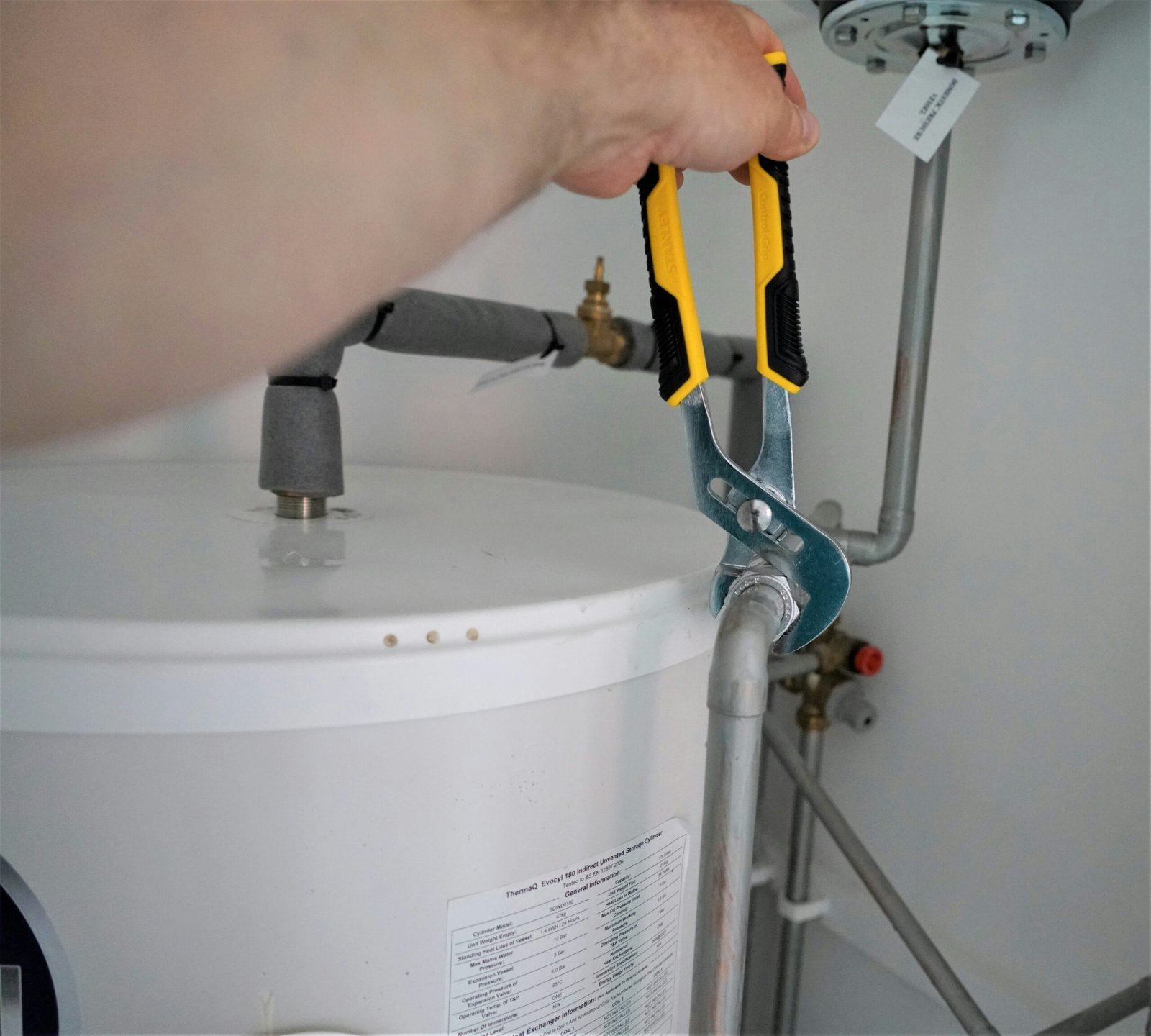
There’s nothing quite like turning on the shower and getting an icy surprise. Before you assume the worst, know this: a large share of “no hot water” calls are fixed by something simple — a tripped breaker, an extinguished pilot light, or a thermostat set too low. If you’re facing a possible water heater repair in Pittsburgh, run through these safe homeowner checks first. They take ten minutes, they fix the problem more often than you’d think, and they’ll make you a much better-informed customer if you do end up calling a professional.
Water Heater Repair in Pittsburgh: First, Identify Your Type
Everything below depends on whether you have a gas or electric water heater, so check first. Gas units have a vent pipe going up from the top and a small access panel near the bottom with a pilot light behind it; you’ll also see a gas line feeding into the unit. Electric units have no vent and no pilot — just electrical conduit or wiring entering the top or side. Find the label on the tank: it states the fuel type, capacity, and manufacture date. That date matters — a tank past 10-12 years old owes you nothing, and recurring problems on an old unit usually mean replacement is the smarter money.
Check 1: The Pilot Light (Gas Heaters)
If you have a gas water heater and there’s no hot water, the pilot light is suspect number one. Look through the small sight glass or open the access panel at the bottom of the tank. No blue flame? The pilot is out. Most modern gas water heaters have printed relighting instructions right on the unit — follow them exactly: turn the gas control to “pilot,” hold the button, ignite, and keep holding for 30-60 seconds so the thermocouple heats up. If the pilot lights but won’t stay lit after you release the button, the thermocouple is likely failing — that’s a cheap part and a quick professional fix, not a new water heater. If you smell gas at any point, stop immediately, don’t touch any switches, leave the area, and call your gas utility.
Check 2: The Breaker (Electric Heaters)
Electric water heaters draw serious current, and a tripped breaker is one of the most common causes of sudden no-hot-water. Go to your electrical panel and look for the double-pole breaker labeled for the water heater. If it’s tripped (sitting in the middle position), flip it fully off, then fully on. If it trips again immediately or repeatedly, stop resetting it — that’s the breaker doing its job, telling you there’s an electrical fault like a shorted heating element. That’s professional territory, and it’s exactly the kind of thing our water heater services diagnose quickly.
Check 3: The Thermostat Setting
This one sounds too simple, but it happens constantly: someone bumps the thermostat, or a previous owner set it low. The thermostat dial is behind an access panel on the side of the tank (electric units have two — upper and lower — behind insulation). It should be set to 120°F, the recommended safe temperature that also prevents scalding. If it’s set far lower, adjust it and give the tank a couple of hours to recover. While you’re there, note any signs of past leaking around the panels — rust streaks or mineral deposits suggest the tank has been weeping, which is useful information for the technician.
Check 4: Sediment — The Slow Killer
Pittsburgh’s water isn’t the hardest in the country, but every water heater accumulates sediment — minerals that settle at the bottom of the tank over years. A thick sediment layer insulates the water from the burner or elements, so the unit runs longer, heats less, and rumbles or pops as water trapped under the sediment boils. If your hot water has gradually gotten worse over months (not suddenly), sediment is a prime suspect. Draining a few gallons from the tank’s drain valve into a bucket is a reasonable homeowner task on a unit in good condition — if the water comes out rusty or full of grit, that tells a story. But be honest with yourself: if the drain valve is corroded shut or the tank is very old, forcing it can cause a leak. When in doubt, let a professional handle the flush.
When the Checks Don’t Fix It: Calling a Professional
If the pilot won’t stay lit, the breaker keeps tripping, or the thermostat is fine but the water’s still cold, you’ve likely got a failed thermocouple, heating element, gas valve, or thermostat — all standard water heater services repairs that typically take under two hours. What you should NOT do: keep resetting a tripping breaker, keep relighting a pilot that won’t stay lit more than a couple of times, or ignore the rotten-egg smell of a gas leak (that’s the utility’s emergency line, immediately). Describe what you checked when you reach out — “gas unit, pilot lights but won’t stay lit, tank is 9 years old” gets you an accurate quote and the right parts on the truck the first time. Browse Our Services to see the full range, or contact Man Made Services through our contact page. And if the tank itself is leaking, that’s an emergency — our emergency plumbing services handle those calls around the clock.
Frequently Asked Questions
Why do I suddenly have no hot water in Pittsburgh?
The most common causes are an extinguished pilot light (gas), a tripped breaker (electric), or a thermostat set too low. These are all safe homeowner checks. Sudden failure with no warning often points to one of these rather than a dead tank.
How do I relight the pilot light on my water heater?
Follow the printed instructions on your unit: turn the gas control to “pilot,” press and hold the button while igniting, and keep holding 30-60 seconds after it lights. If it won’t stay lit, the thermocouple likely needs replacing — a quick professional job. Never relight if you smell gas.
Is 120 degrees the right water heater setting?
Yes — 120°F is the recommended setting: hot enough for household needs, cool enough to prevent scalding, and efficient. Higher settings waste energy and increase burn risk, especially with children or older adults in the home.
My water heater makes rumbling noises — is that bad?
Rumbling or popping usually means sediment buildup at the bottom of the tank — water trapped under the sediment layer is boiling. A professional flush often fixes it, but on very old tanks the noise can signal the unit is nearing the end of its life.
Have a Plumbing Problem?
From drain and sewer problems to water heaters, hidden leaks and septic services, get professional help from Man Made Services.