How to Thaw Frozen Pipes in Pittsburgh: Safe Methods That Actually Work
Pittsburgh winters freeze pipes every year, especially in the city’s older homes with unheated basements and crawl spaces. The safest way to thaw frozen pipes in Pittsburgh is to open the affected faucet, then apply gentle heat — a hair dryer, heating pad, or towels soaked in hot water — working from the faucet end back toward the frozen section. Never use an open flame.
How to Tell Your Pipes Are Frozen
A frozen pipe rarely announces itself politely. Watch for these signs:
- No water or a trickle from a faucet when others work fine — the most common giveaway.
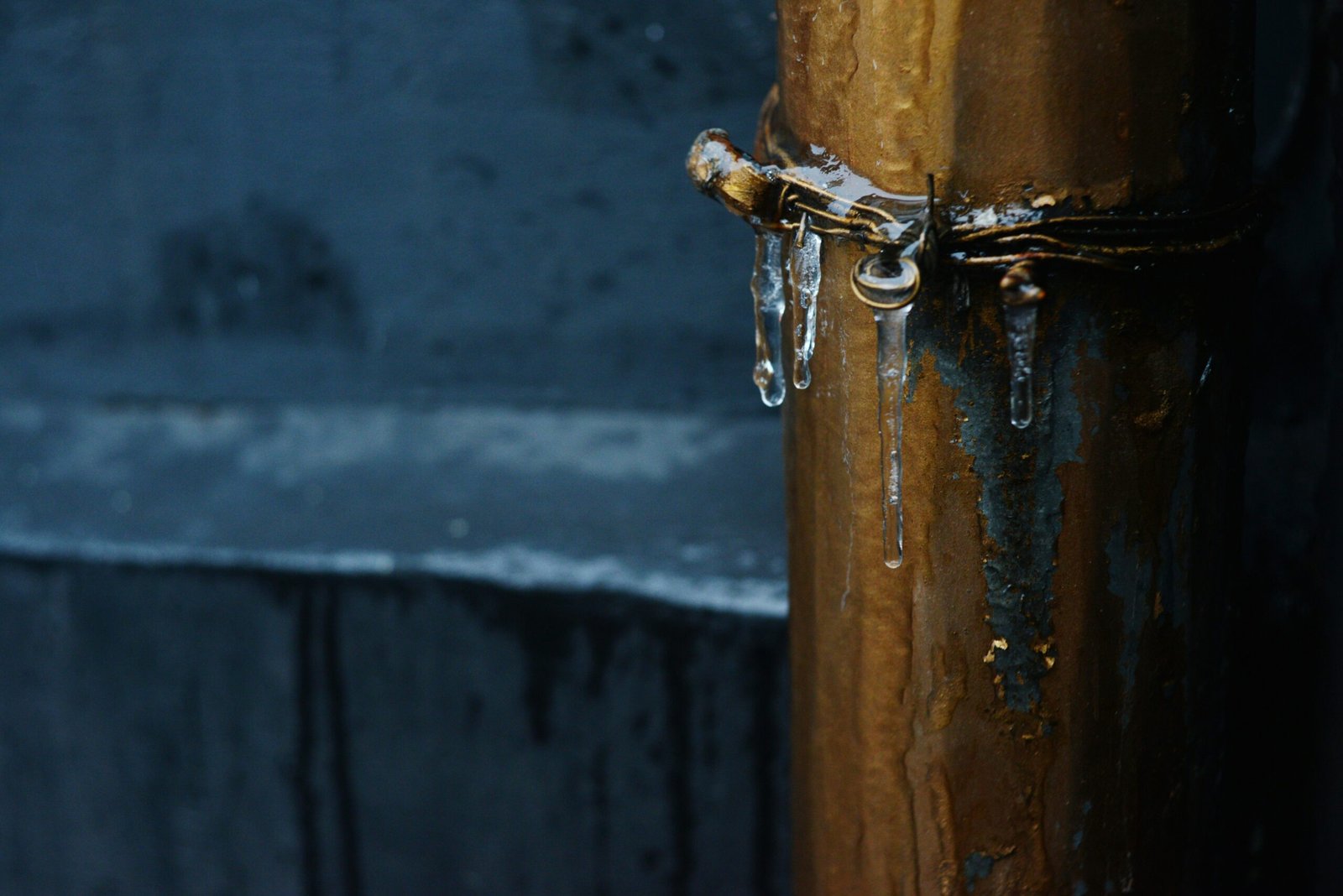
- Frost or condensation visible on an exposed pipe.
- Strange smells from a drain or faucet, caused by a blockage forcing odors back up.
- Bulging or cracked pipe sections — a red flag that the pipe is about to burst or already has.
In Pittsburgh, the usual suspects are pipes in exterior walls, unheated basements, crawl spaces, garages, and attics. Homes built before 1960 — common across Pittsburgh’s older neighborhoods — often have plumbing routed through spaces that never got properly insulated. If you know your main water shut-off valve location before winter hits, you are already ahead of most homeowners.
Before You Start Thawing: Shut-Off and Safety First
Take two minutes on preparation before you touch a frozen pipe:
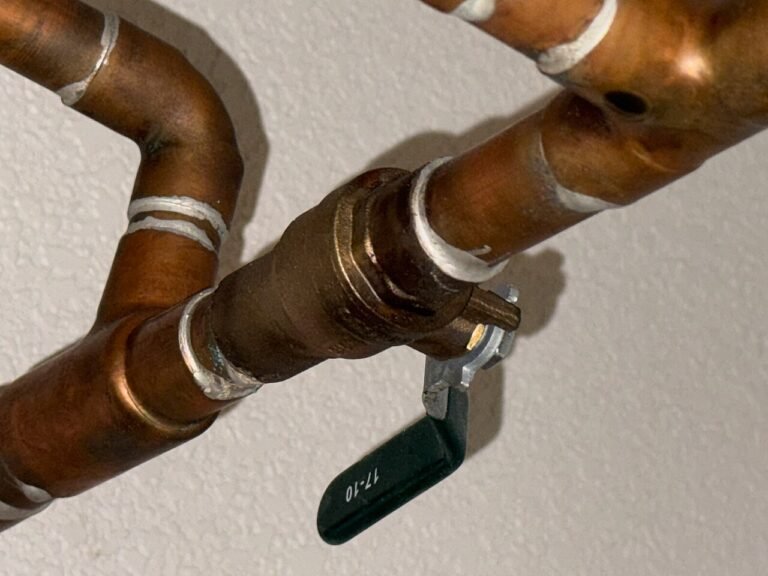
- Find your main water shut-off valve now. If a pipe bursts mid-thaw, you will need to stop the water in seconds, not minutes.
- Open the faucet connected to the frozen pipe. Running (or even dripping) water helps melt ice and relieves pressure that could burst the pipe.
- Check for existing bursts. Walk the exposed pipe length and look for active leaks or spraying water. If you find one, close the main valve immediately — you need burst pipe repair, not thawing.
- Keep an eye on ceilings and walls if the frozen pipe runs through them. A bulge, stain, or drip means water is already escaping behind the surface.
Safe Thawing Methods That Actually Work
Pick one of these — all are homeowner-safe and recommended by plumbers:
Hair dryer (the most reliable DIY method). Set it to medium heat and move it slowly back and forth along the frozen section, starting at the faucet end and working toward the frozen spot. Keep it moving — parking it in one place overheats the pipe.
Heating pad or electric blanket. Wrap it around the frozen section and let it work. Slower than a hair dryer, but hands-free and safe for long pipe runs.
Hot towels. Soak towels in hot (not boiling) water, wring them out, and wrap the frozen pipe. Replace them as they cool. Effective, just labor-intensive.
Space heater (with caution). Aim a space heater at the frozen area from a safe distance — at least 3 feet from anything flammable, and never leave it unattended. Best for frozen pipes in basements or crawl spaces where a whole area needs warming.
Whichever method you use, be patient. A fully frozen section can take 30 minutes to over an hour to thaw. Keep the faucet open so water movement helps the ice melt from the inside too.
What NOT to Do With Frozen Pipes
These methods cause more burst pipes than they fix:
- Never use a blowtorch, propane torch, or any open flame. The concentrated heat can melt solder joints, ignite nearby wood or insulation, and burst the pipe from thermal shock.
- Don’t pour boiling water directly on a frozen pipe — the sudden temperature swing can crack it. Hot tap water on towels is the limit.
- Don’t hammer, bang, or twist the pipe to “break up” the ice. Frozen pipes are brittle; mechanical force cracks them.
- Don’t crank the heat to maximum in an empty house and assume the pipes will sort themselves out. They won’t — and you will return to flooding.
When to Stop and Call a Plumber in Pittsburgh
Some frozen-pipe situations are beyond DIY:
- You can’t access the frozen section (inside a wall or sealed ceiling).
- Water isn’t flowing anywhere in the house — the freeze may be at the main service line.
- The same pipe freezes repeatedly — insulation, rerouting, or heat tape is the real fix.
- You see any sign of a burst: spraying water, new stains, bulging drywall.
An emergency plumber in Pittsburgh during a cold snap prioritizes burst-pipe calls, so the earlier you call, the faster you get help. If you are dealing with an active leak right now, our Emergency Plumbing service page covers what to expect when you reach out.
Preventing Frozen Pipes in Pittsburgh Homes
Thawing works once; prevention works all winter:
- Insulate exposed pipes in basements, crawl spaces, attics, and garages with foam pipe sleeves.
- Seal air leaks where pipes enter exterior walls — cold air pouring through a gap is the number-one cause of freeze-ups.
- Let faucets drip on the coldest nights (below 20°F / -6°C). Moving water resists freezing.
- Open cabinet doors under sinks on exterior walls so warm house air reaches the pipes.
- Disconnect garden hoses and shut off exterior hose bibs before the first hard freeze — usually by late October in Pittsburgh.
- Keep the thermostat steady (no lower than 55°F / 13°C), even when you are away. Nighttime setbacks in older Pittsburgh homes are a classic freeze trigger.
If you are buying one of Pittsburgh’s century-old homes, a plumbing inspection checklist is worth its weight in gold — frozen-pipe history is one of the things it is designed to catch.
FAQ
Q: How long does it take to thaw a frozen pipe?
A: Typically 30 minutes to a few hours depending on the length of the frozen section, the pipe material, and the outdoor temperature. Metal pipes conduct heat and thaw faster than PEX; pipes inside walls take longest because you can’t reach them directly.
Q: Can a frozen pipe thaw on its own?
A: Sometimes, if the temperature rises and the pipe hasn’t cracked. But leaving it is a gamble — ice expands as it melts unevenly, and the pressure spike during thawing is exactly when pipes burst. Active, gentle thawing with the faucet open is always safer than waiting.
Q: Should I turn off the water if my pipes are frozen?
A: Keep the faucet open to relieve pressure, but be ready to close the main shut-off valve if you spot a leak. If you find an actual burst, shut the main valve off immediately and call for repair.
Q: Why do my pipes keep freezing in the same spot?
A: That section has an insulation or exposure problem — an air leak, missing pipe insulation, or routing through an unheated space. Temporary thawing won’t fix it. Insulating the pipe and sealing the air leak, or installing electric heat tape, solves the recurring freeze.
Have a Plumbing Problem?
From drain and sewer problems to water heaters, hidden leaks and septic services, get professional help from Man Made Services.